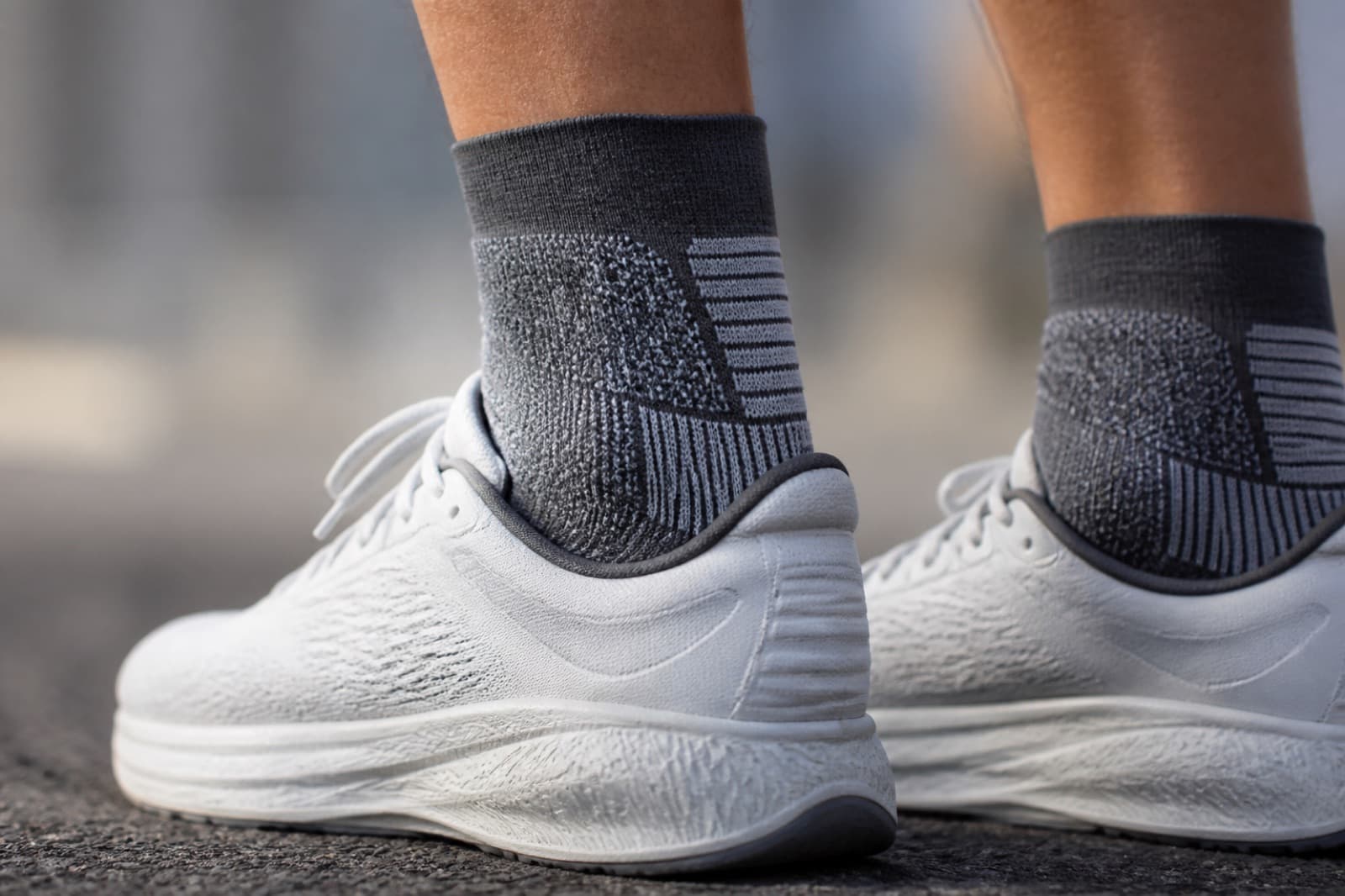
The short version
- Prioritise moisture movement and freer airflow over heavy cotton.
- Light colours and loose cuts help in strong sun.
- Coverage can protect skin even when it feels warmer at the start.
- Socks, hats and sunglasses are part of the heat system.
- Hydration planning matters as much as fabric marketing.
Approaches in this guide
1Dressing for heat
Hot-weather apparel tries to move sweat and keep air flowing while limiting chafe. Claims about dramatic body-temperature drops are usually overstated.
Singlet vs tee, short length and sock height are preference plus sun exposure decisions.
Train in the kit you will race — heat surprises on race morning are avoidable.
2Why this decision matters
Light fabrics, coverage choices and colour — stay cooler without guessing at miracle cooling claims.
Apparel mistakes show up as overheating, chafe or a shell you never pack. Breathability and coverage for your climate beat catalog waterproof theatre.
3Heat kit filters
Fabric behaviour
- What it is
- How quickly cloth dries and breathes.
- How it changes the choice
- Heavy wet fabric raises chafe and heat load.
- What you may notice
- Less cling late in the run.
Coverage vs sun
- What it is
- Exposed skin versus light sleeves.
- How it changes the choice
- Sunburn and heat interact differently by person.
- What you may notice
- Comfortable skin at the finish.
Chafe points
- What it is
- Seams, salves and fit under sweat.
- How it changes the choice
- Salt and friction appear after the first hour.
- What you may notice
- No new hot spots in long heat runs.
4What to look for in each factor
Test breathability and coverage in the weather you actually train in — lab waterproof ratings do not equal comfort on a hard tempo.
Look for
Fabric behaviour
- How quickly cloth dries and breathes.
- Watch for: Less cling late in the run.
- Decision tip: Heavy wet fabric raises chafe and heat load.
Look for
Coverage vs sun
- Exposed skin versus light sleeves.
- Watch for: Comfortable skin at the finish.
- Decision tip: Sunburn and heat interact differently by person.
Look for
Chafe points
- Seams, salves and fit under sweat.
- Watch for: No new hot spots in long heat runs.
- Decision tip: Salt and friction appear after the first hour.
5Compare approaches at a glance
| Light running sock | Minimal carry | Hot-weather neck tube | |
|---|---|---|---|
| Best for | Long hot runs, Race rehearsal | Supported heat runs | Bright road longs, Exposed trail heat |
| Main trade-off | Still replace worn pairs. | Limited water — plan fountains. | No winter warmth — Polar is the cold-weather Buff. |
Examples illustrate approaches — not a universal ranking.
Look for
Light running sock
- Best for: Long hot runs, Race rehearsal
- Main trade-off: Still replace worn pairs.
Look for
Minimal carry
- Best for: Supported heat runs
- Main trade-off: Limited water — plan fountains.
6What you gain and give up
What you may gain
- · Light running sock: useful when Long hot runs
- · Minimal carry: useful when Supported heat runs
- · Hot-weather neck tube: useful when Bright road longs
What you may give up
- · Still replace worn pairs.
- · Limited water — plan fountains.
- · No winter warmth — Polar is the cold-weather Buff.
Trade-offs are model- and runner-dependent — verify fit and use case.
7Next step after you shortlist
Wear the shortlist in the weather you are buying for, at easy and harder efforts. Note sweat build-up, chafe and whether you would pack it again.
If you only reach for it on easy jogs, it may still be fine — just do not pretend it is a hard-rain race shell.
8Heat-system pieces
Combine apparel with fluid and pacing sense.
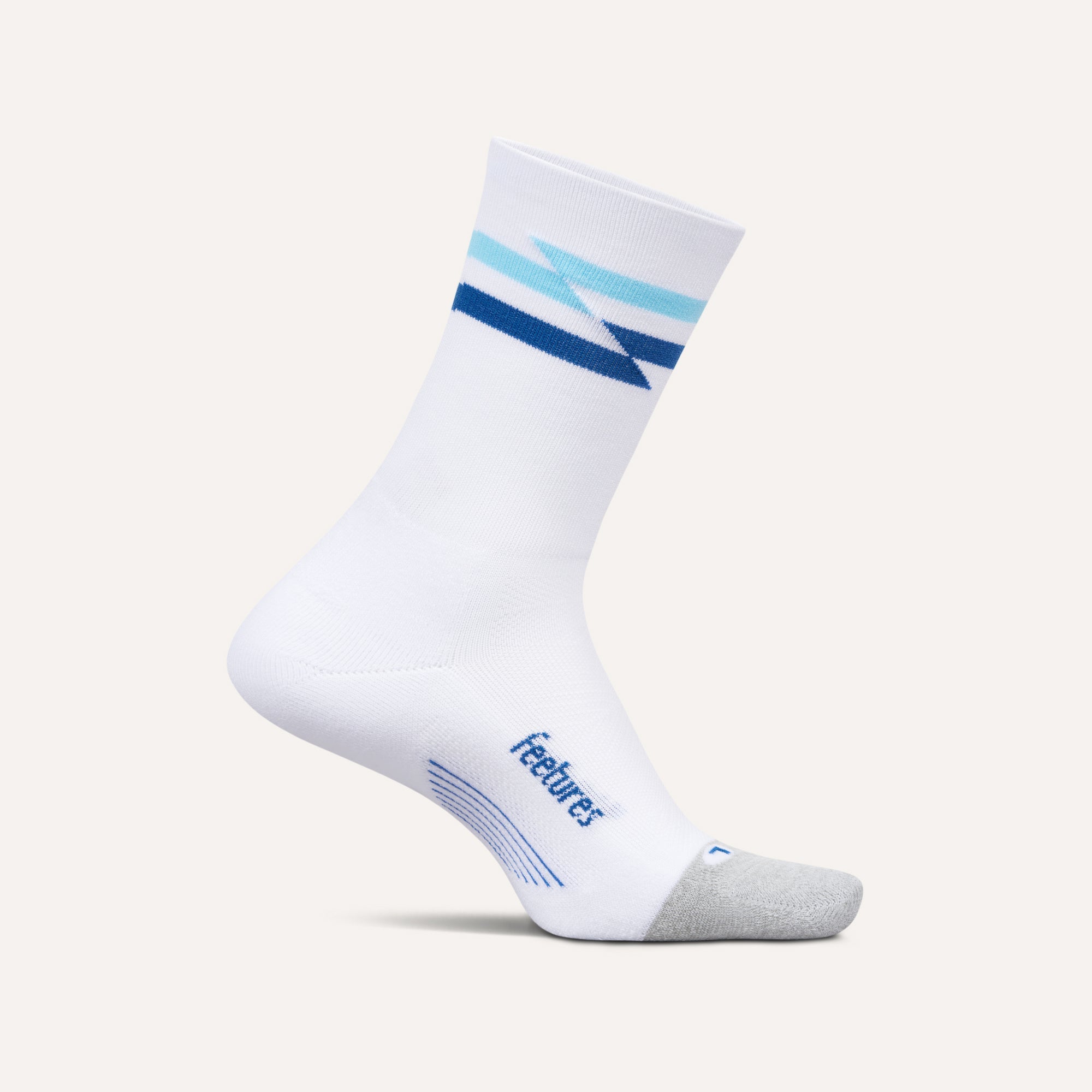
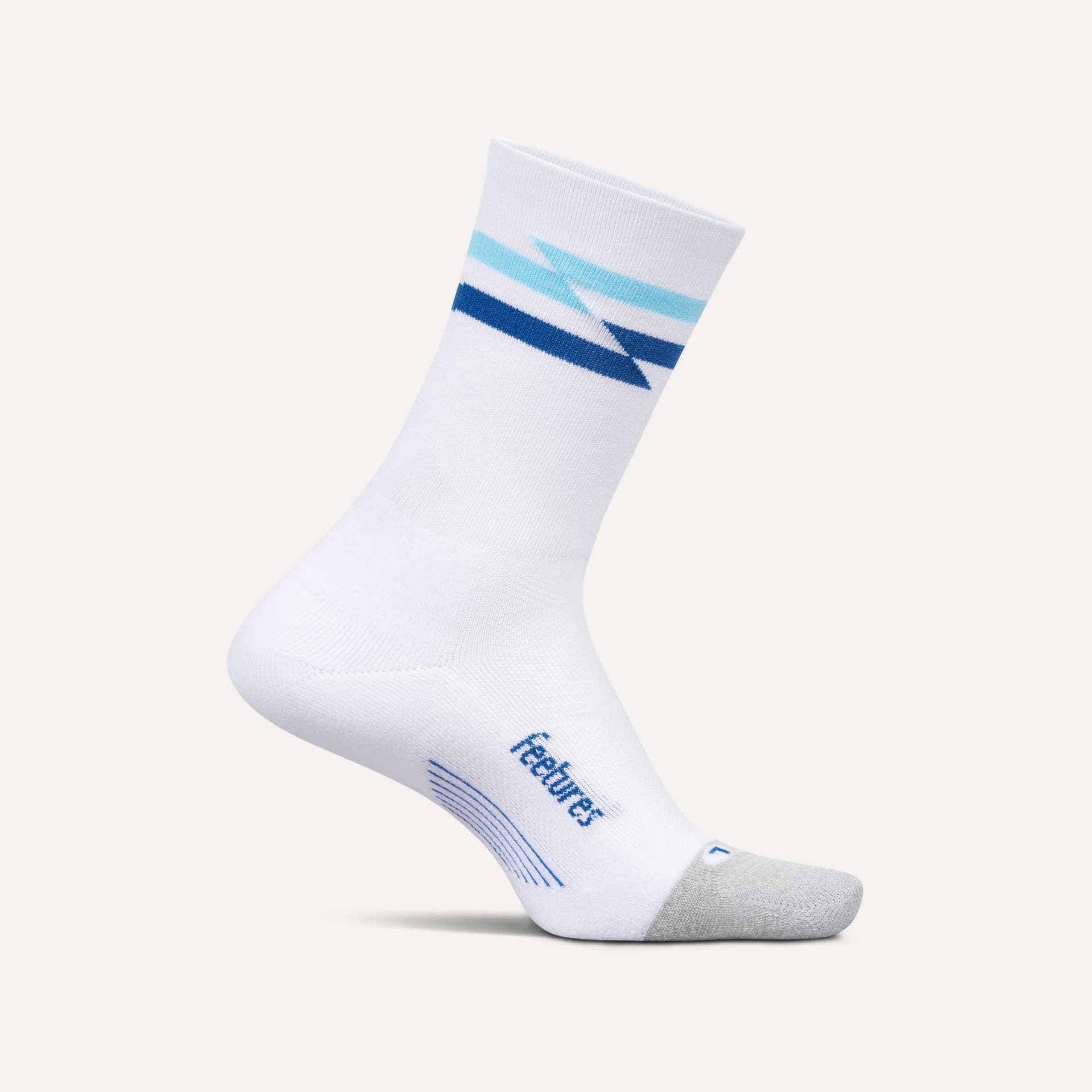
Light running sock
8.6 Kitletics Score
Feetures Elite Light Cushion
Why it illustrates the category: Moisture-aware feet reduce blister risk in heat.
Best for
- · Long hot runs
- · Race rehearsal
Trade-off
Still replace worn pairs.
Read review →From € 18Minimal carry

8.5 Kitletics Score
FlipBelt Classic
Why it illustrates the category: Less torso coverage than a vest when fluid needs are small.
Best for
- · Supported heat runs
Trade-off
Limited water — plan fountains.
Read review →From € 32Hot-weather neck tube
8.2 Kitletics Score
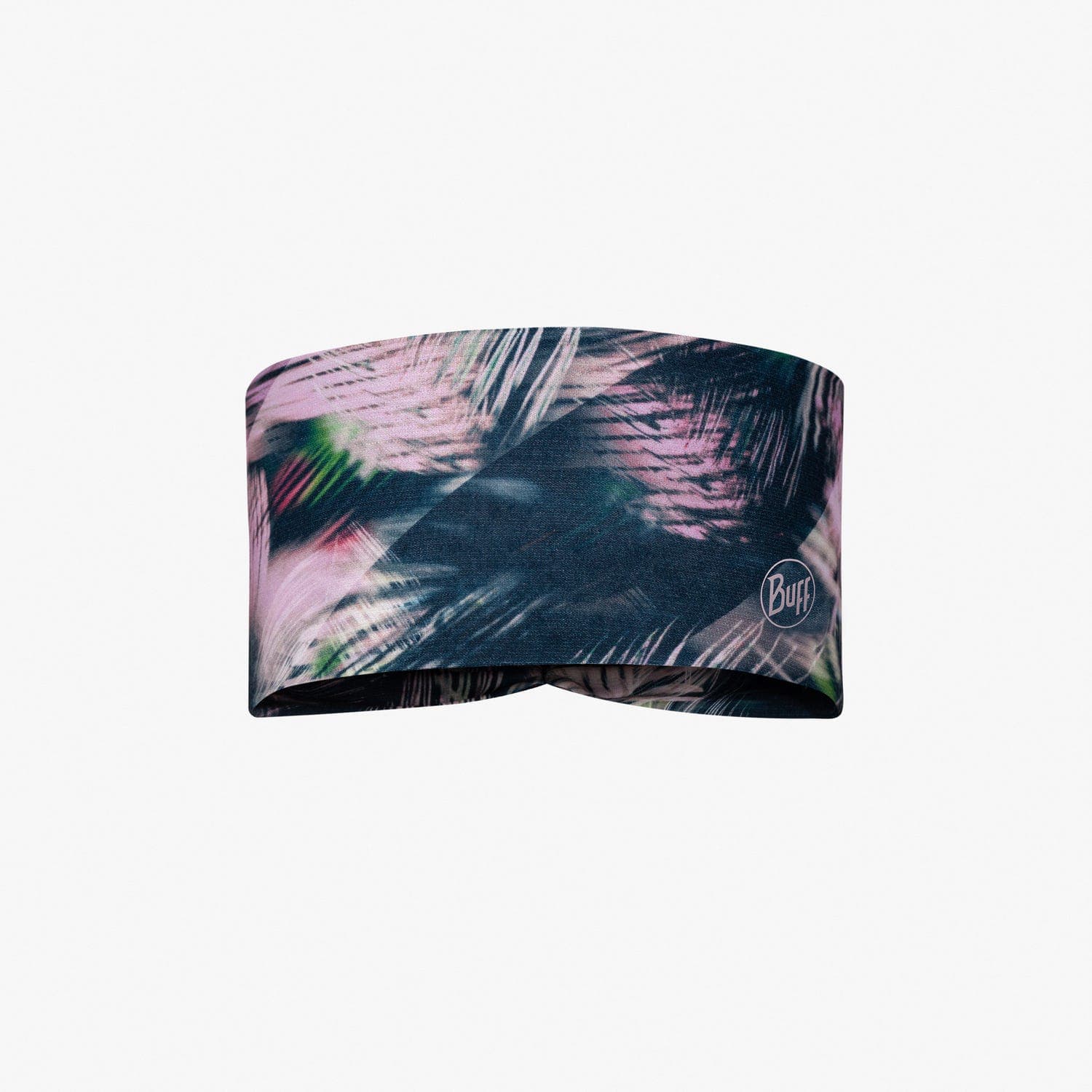
BUFF CoolNet UV+
Why it illustrates the category: A UPF 50 CoolNet Buff manages sweat and sun on the neck without Polar fleece. Fabric rating, not a medical sun claim.
Best for
- · Bright road longs
- · Exposed trail heat
Trade-off
No winter warmth — Polar is the cold-weather Buff.
Read review →From € 24
9How current options differ
| Product | Support approach | Cushion | Drop | Widths | Best use | Key trade-off |
|---|---|---|---|---|---|---|
| — | light | — | — | Heat-ready socks | Higher price than basic athletic socks | |
| — | — | — | — | Minimal carry | Sweat can reach phone without a case | |
| — | — | — | — | Hot-weather Buff | No warmth story for winter or freezing starts |
10How to decide
- 1
Fabric behaviour
How quickly cloth dries and breathes. Heavy wet fabric raises chafe and heat load. You will notice: Less cling late in the run.
- 2
Coverage vs sun
Exposed skin versus light sleeves. Sunburn and heat interact differently by person. You will notice: Comfortable skin at the finish.
- 3
Chafe points
Seams, salves and fit under sweat. Salt and friction appear after the first hour. You will notice: No new hot spots in long heat runs.
11Common mistakes
New shorts on a hot race day
Chafe and fit surprises are worse in heat — rehearse the outfit.
Buying features you will not use
Extra modes and marketing claims only help when they change a real session outcome.
Skipping a training test
Race-week surprises usually come from untested fuel, fit or battery profiles.
Forcing one product to do every job
Specialist tools exist because weekly volume and intensity ask for different compromises.
12Frequently asked questions
- What is the quick takeaway on this topic?
- Prioritise moisture movement and freer airflow over heavy cotton. Light colours and loose cuts help in strong sun.
- How should I weigh fabric behaviour?
- How quickly cloth dries and breathes. Heavy wet fabric raises chafe and heat load. In practice: Less cling late in the run.
- What mistake should I avoid?
- New shorts on a hot race day: Chafe and fit surprises are worse in heat — rehearse the outfit.
- How do product examples help?
- Light running sock illustrates this topic because Moisture-aware feet reduce blister risk in heat. Trade-off: Still replace worn pairs.
Heat kit pieces
Feetures
Elite Light Cushion
Heat-ready socks
8.6 Very GoodFrom € 18
View review →FlipBelt
Classic
Minimal carry
8.5 Very GoodFrom € 32
View review →BUFF
CoolNet UV+
Hot-weather Buff
8.2 GoodFrom € 24
View review →
Head-to-head comparisons
Continue the decision with focused head-to-heads — who should choose which, and the trade-offs that matter.
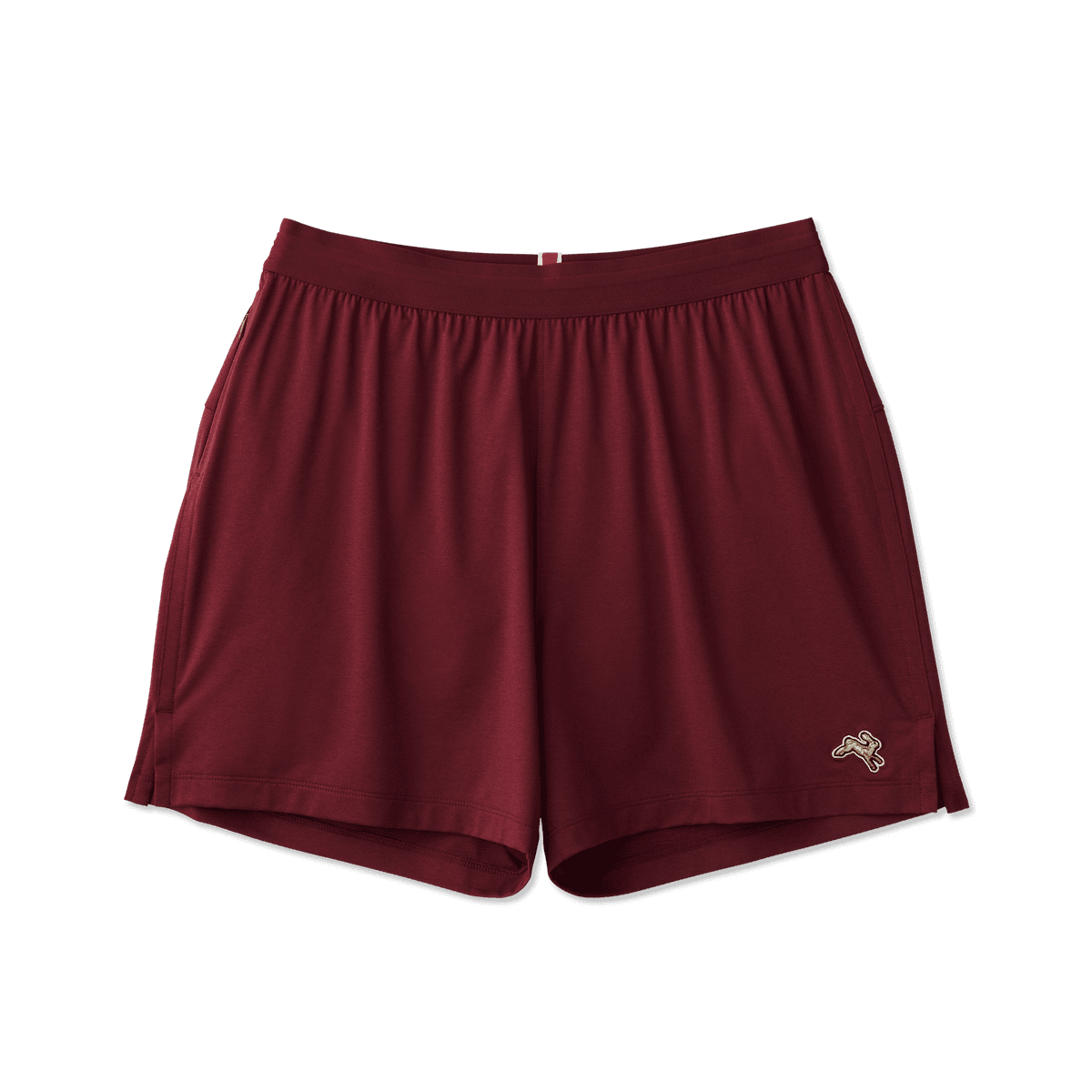
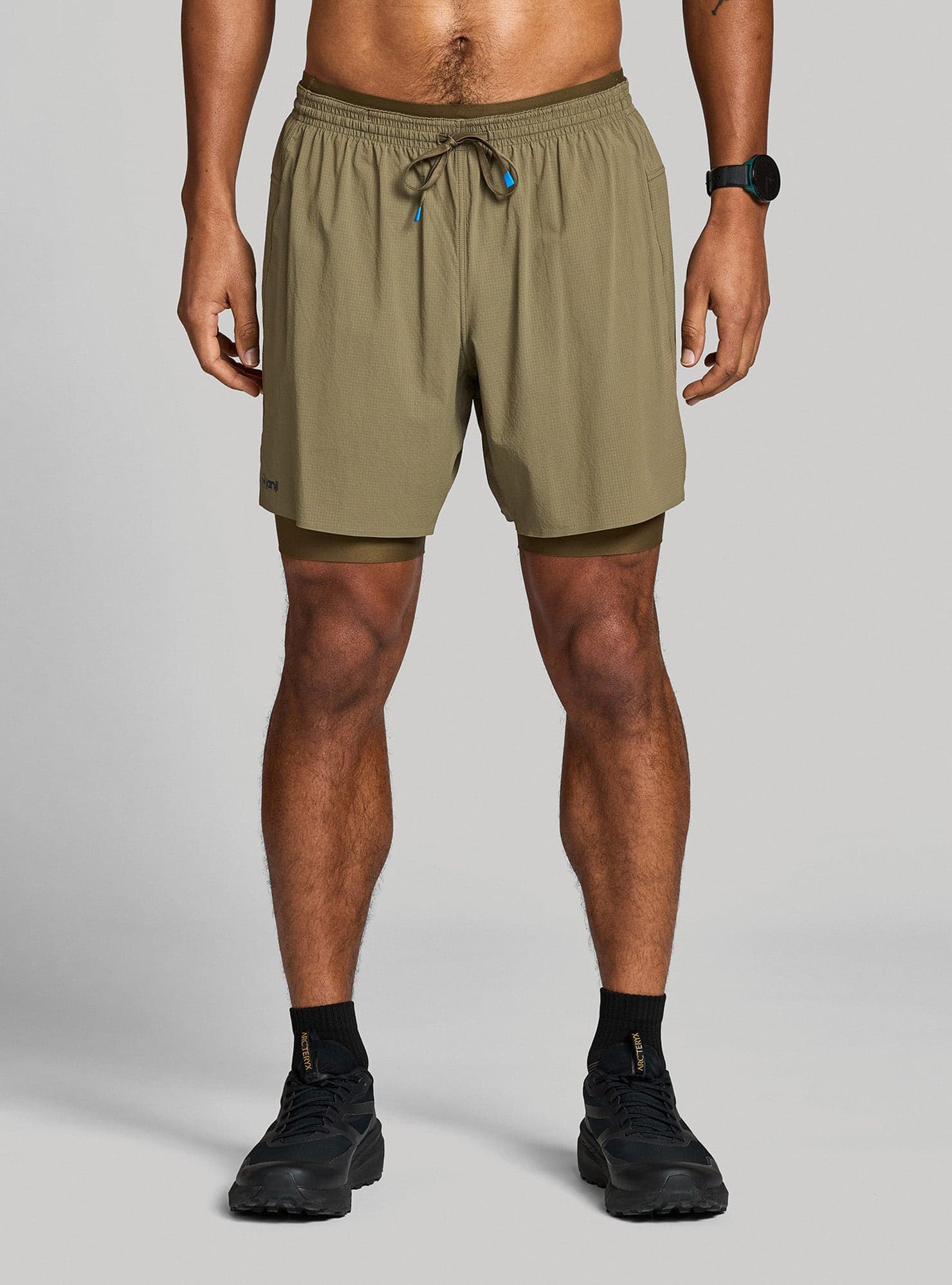
Session ShortvsMulti Short 2-in-1 7"
Premium men's Session short versus storage-first Multi 2-in-1 for daily training.
Compare →
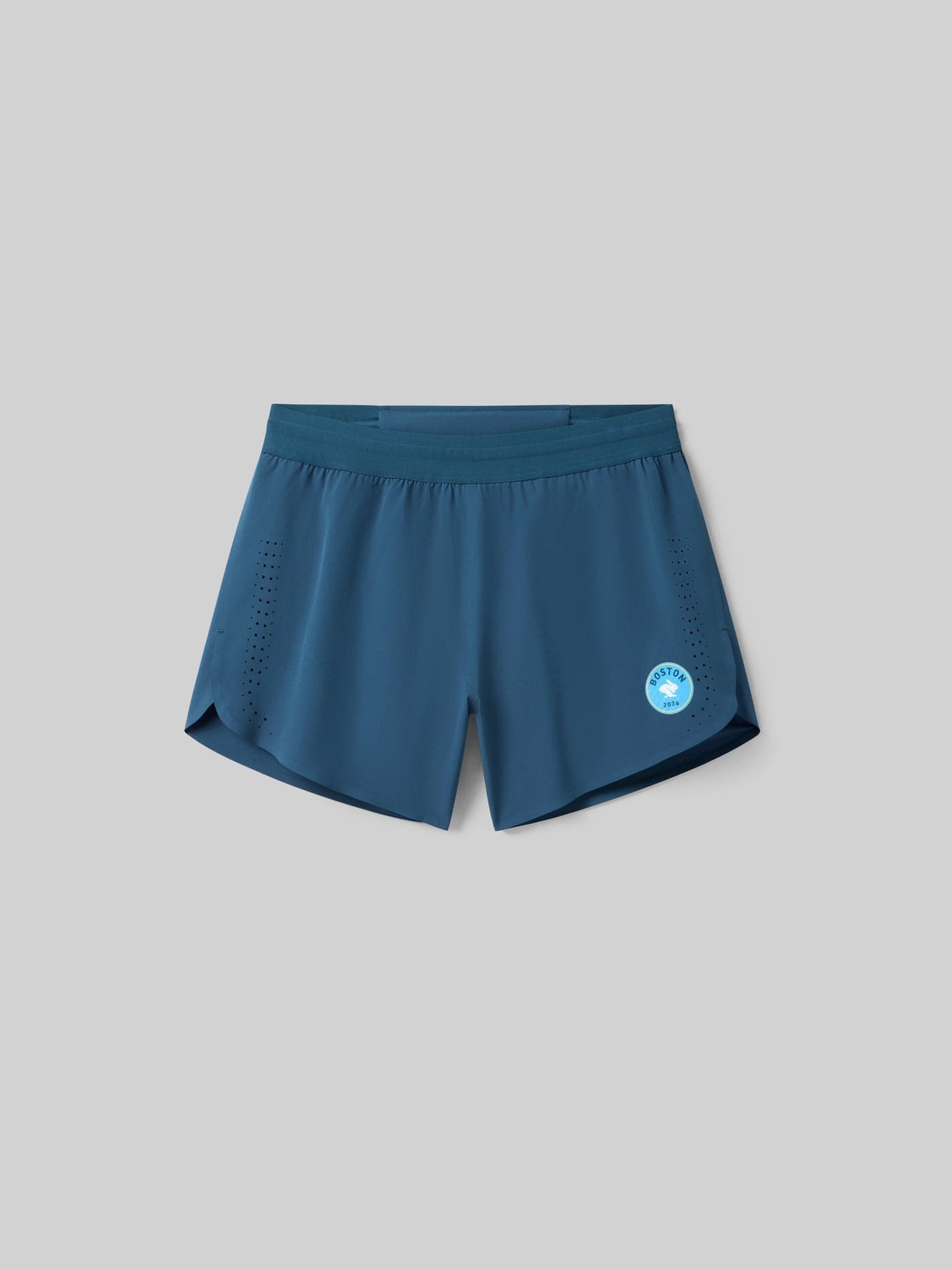
Strider Pro ShortsvsFuel n' Fly 5"
Patagonia Strider Pro versus Rabbit Fuel n' Fly — pocketed men's training shorts.
Compare →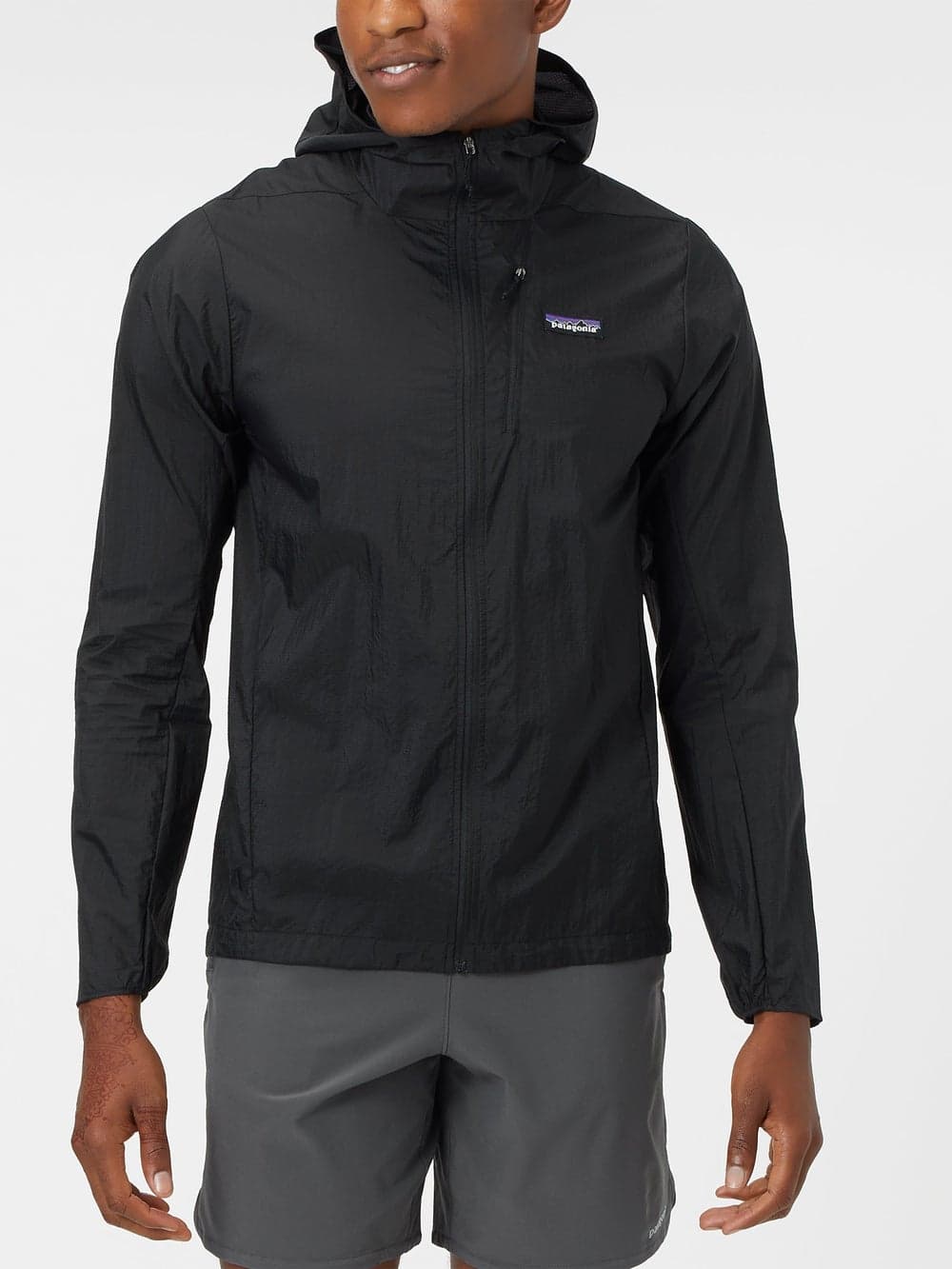
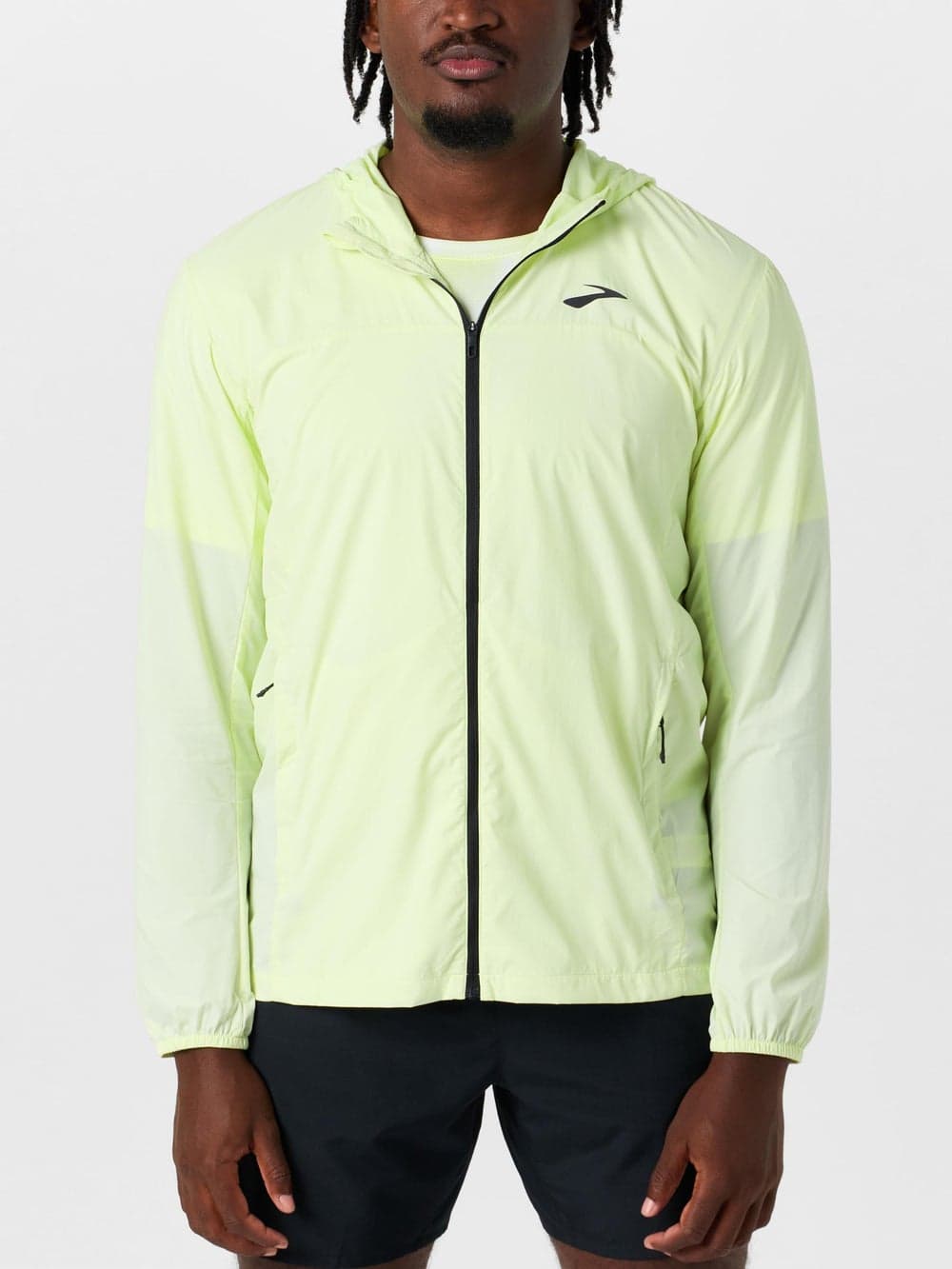
Houdini JacketvsCanopy Jacket
Ultra-packable Houdini wind shell versus Brooks Canopy running jacket.
Compare →How we research
This guide combines manufacturer specifications, catalog product data and independent specialist coverage. Product examples render from live catalog data and illustrate approaches — not medical or ranking claims.