The short version
- Choose capacity from unsupported time, not vanity volume.
- Access under fatigue beats clever pockets you cannot open mid-run.
- Test the full load — fluid, gels, phone, layer — at long-run pace.
- Belts suit light kits; vests win when water and mandatory kit grow.
- Handhelds are simple until you need two bottles or poles.
Approaches in this guide
1Carry is part of the fuelling plan
Long-run fuel only works if you can reach it without breaking stride. Carry systems exist to keep carbs and fluid stable and accessible.
Belts, handhelds and vests solve different load sizes. Overpacking a belt creates bounce; under-sizing a vest leaves essentials behind.
The right system is the smallest one that carries the required load without chafe or constant adjustment.
2Why this decision matters
Pick a carry system from distance, support and access — belt, handheld, vest or mix — then test it loaded.
Getting fuel wrong usually means GI distress, late-race empty legs, or carrying caffeine you never practised. Match carbs, fluids and stimulants to sessions you already tolerate — not to a podium bottle lineup.
3Five carry decisions
Course support
- What it is
- Aid stations, crew or none.
- How it changes the choice
- Sparse support increases fluid and backup fuel needs.
- What you may notice
- Whether you can skip heavy bottles.
Time on feet
- What it is
- Expected hours, not just kilometres.
- How it changes the choice
- Longer efforts need more carbs and often more water.
- What you may notice
- A kit that lasts the whole outing.
One-handed access
- What it is
- Opening gels and bottles without stopping.
- How it changes the choice
- Fatigue makes fiddly pockets useless.
- What you may notice
- Fewer mid-run fights with zips.
Bounce and chafe
- What it is
- How the load moves once full.
- How it changes the choice
- Water weight exposes weak fit.
- What you may notice
- Stable carry after 90 minutes.
Weather and layers
- What it is
- Shell, gloves, hat storage.
- How it changes the choice
- Cold starts force extra pockets.
- What you may notice
- Layers stashed without crushing flasks.
4What to look for in each factor
Verify carbohydrate, fluid and caffeine numbers on the label against your tested race plan — gut tolerance beats theory.
Look for
Course support
- Aid stations, crew or none.
- Watch for: Whether you can skip heavy bottles.
- Decision tip: Sparse support increases fluid and backup fuel needs.
Look for
Time on feet
- Expected hours, not just kilometres.
- Watch for: A kit that lasts the whole outing.
- Decision tip: Longer efforts need more carbs and often more water.
Look for
One-handed access
- Opening gels and bottles without stopping.
- Watch for: Fewer mid-run fights with zips.
- Decision tip: Fatigue makes fiddly pockets useless.
Look for
Bounce and chafe
- How the load moves once full.
- Watch for: Stable carry after 90 minutes.
- Decision tip: Water weight exposes weak fit.
5Compare approaches at a glance
Option
Light belt
Best for
Supported road longs
Main trade-off
Not enough for remote trail water needs.
Option
Handheld
Best for
Solo road runs
Main trade-off
Limits poles and two-bottle setups.
| Light belt | Handheld | Hydration vest | |
|---|---|---|---|
| Best for | Supported road longs | Solo road runs | Trail longs, Unsupported segments |
| Main trade-off | Not enough for remote trail water needs. | Limits poles and two-bottle setups. | More fit tuning than a belt. |
Examples illustrate approaches — not a universal ranking.
Look for
Light belt
- Best for: Supported road longs
- Main trade-off: Not enough for remote trail water needs.
Look for
Handheld
- Best for: Solo road runs
- Main trade-off: Limits poles and two-bottle setups.
6What you gain and give up
What you may gain
- · Light belt: useful when Supported road longs
- · Handheld: useful when Solo road runs
- · Hydration vest: useful when Trail longs
What you may give up
- · Not enough for remote trail water needs.
- · Limits poles and two-bottle setups.
- · More fit tuning than a belt.
Trade-offs are model- and runner-dependent — verify fit and use case.
7Next step after you shortlist
Take your shortlist onto a mid-long run with the same timing and fluids you expect on race day. Note GI comfort, packaging hassle and whether caffeine timing felt useful.
If nothing improves after two practised sessions, simplify — fewer products with known tolerance usually beat a crowded vest.
8Three carry patterns
Match the pattern to your longest unsupported segment.
Light belt
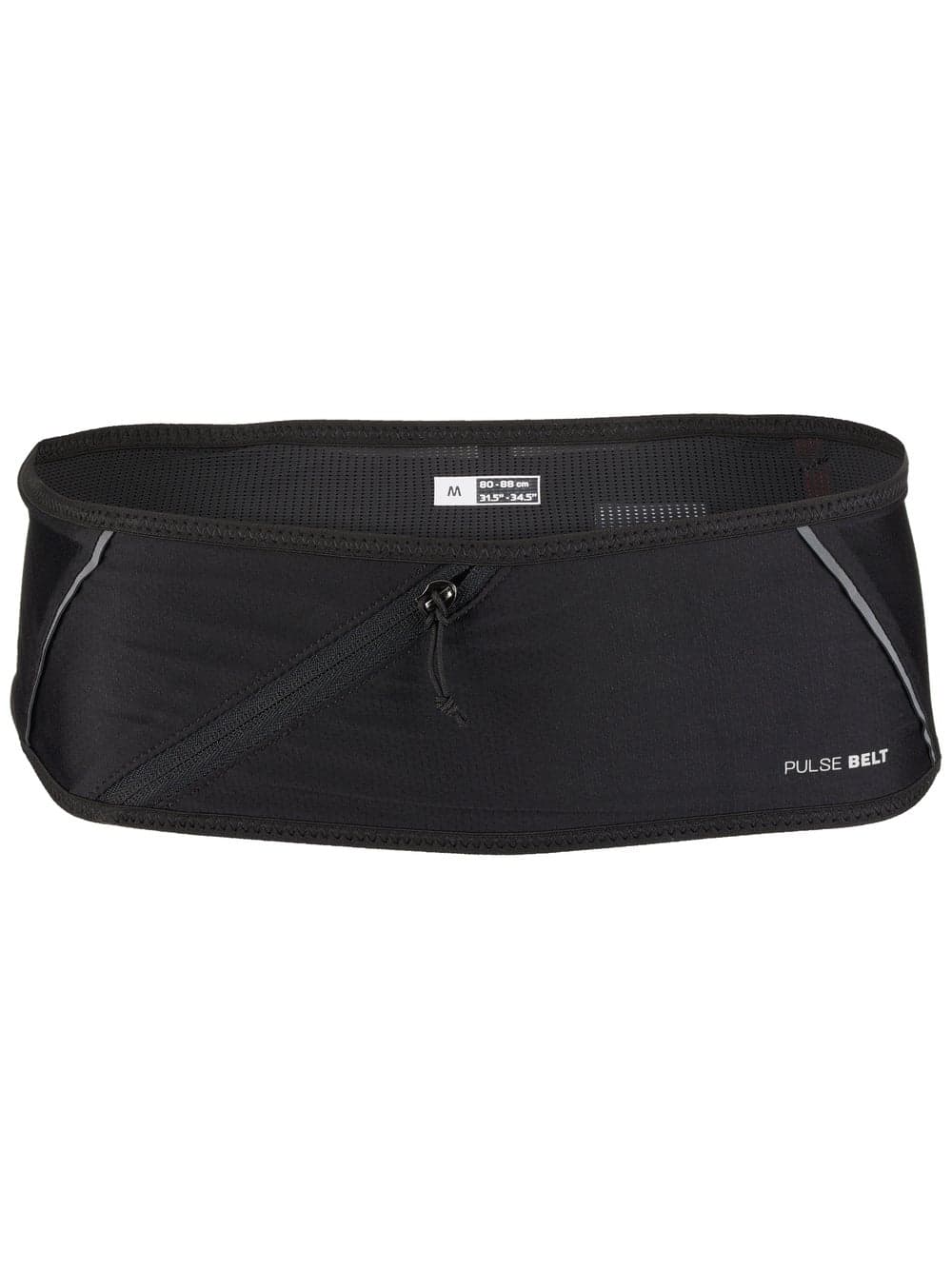
8.4 Kitletics Score
Salomon Pulse Belt
Why it illustrates the category: Phone, keys and a few gels when water is available on course.
Best for
- · Supported road longs
Trade-off
Not enough for remote trail water needs.
Read review →From € 42Handheld

7.9 Kitletics Score
Nathan ExoShot 2
Why it illustrates the category: Visible fluid with optional soft-flask gels in the other hand or belt.
Best for
- · Solo road runs
Trade-off
Limits poles and two-bottle setups.
Read review →From € 25Hydration vest
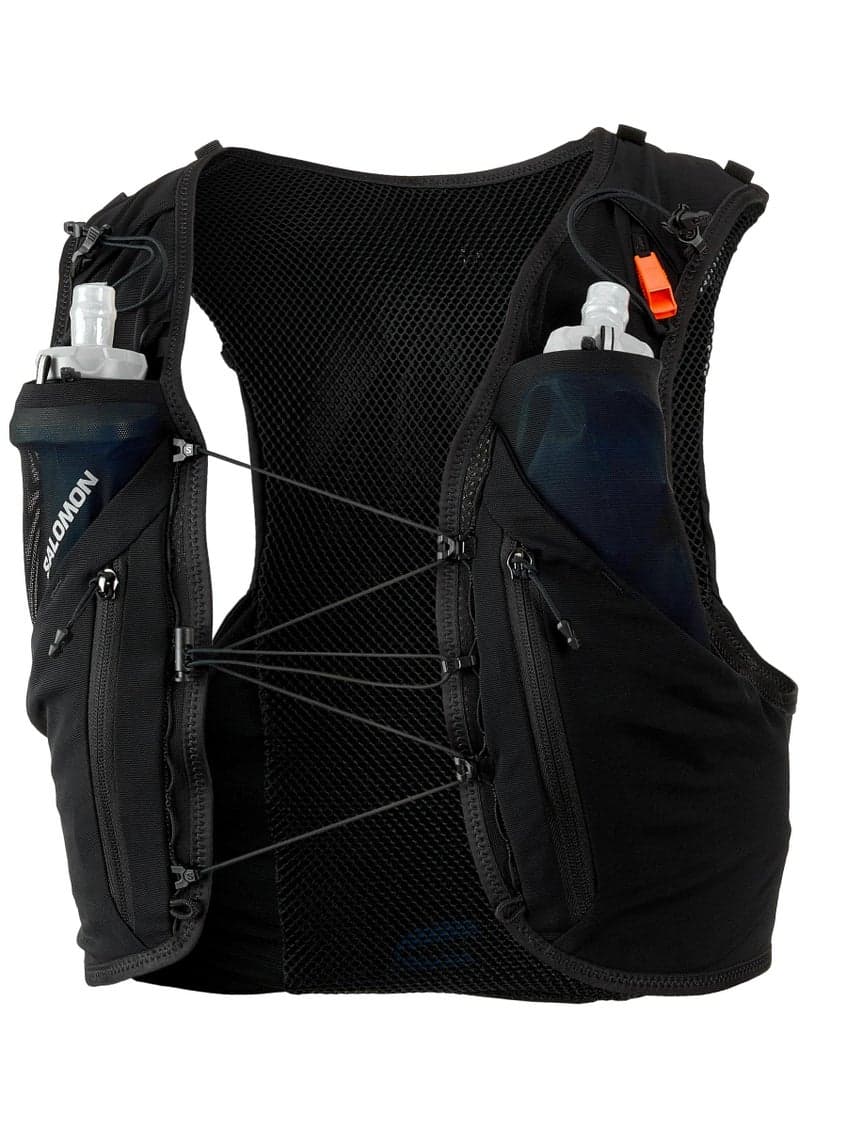
9.0 Kitletics Score
Salomon ADV Skin 12
Why it illustrates the category: Flasks, gels, layer and safety kit when the day gets serious.
Best for
- · Trail longs
- · Unsupported segments
Trade-off
More fit tuning than a belt.
Read review →From € 160
9How current options differ
| Product | Support approach | Cushion | Drop | Widths | Best use | Key trade-off |
|---|---|---|---|---|---|---|
| — | — | — | — | Belt | Less total hydration than Peak bottle pack or Ultra Belt | |
| — | — | — | — | Handheld | One-handed volume limit | |
| — | — | — | — | Vest | Overkill for road 10K |
10How to decide
- 1
Course support
Aid stations, crew or none. Sparse support increases fluid and backup fuel needs. You will notice: Whether you can skip heavy bottles.
- 2
Time on feet
Expected hours, not just kilometres. Longer efforts need more carbs and often more water. You will notice: A kit that lasts the whole outing.
- 3
One-handed access
Opening gels and bottles without stopping. Fatigue makes fiddly pockets useless. You will notice: Fewer mid-run fights with zips.
- 4
Bounce and chafe
How the load moves once full. Water weight exposes weak fit. You will notice: Stable carry after 90 minutes.
- 5
Weather and layers
Shell, gloves, hat storage. Cold starts force extra pockets. You will notice: Layers stashed without crushing flasks.
11Common mistakes
Testing empty
Load every gel and flask you will race with before judging bounce.
Overloading a belt
When water and layers appear, move up to a vest instead of stacking bottles on the hips.
Debut carry on race day
Chafe and access problems show up after hour two — find them in training.
12Frequently asked questions
- What is the quick takeaway on this topic?
- Choose capacity from unsupported time, not vanity volume. Access under fatigue beats clever pockets you cannot open mid-run.
- How should I weigh course support?
- Aid stations, crew or none. Sparse support increases fluid and backup fuel needs. In practice: Whether you can skip heavy bottles.
- What mistake should I avoid?
- Testing empty: Load every gel and flask you will race with before judging bounce.
- How do product examples help?
- Light belt illustrates this topic because Phone, keys and a few gels when water is available on course. Trade-off: Not enough for remote trail water needs.
Long-run carry options
Salomon
Pulse Belt
Belt
8.4 GoodFrom € 42
View review →Nathan
ExoShot 2
Handheld
7.9 SolidFrom € 25
View review →Salomon
ADV Skin 12
Vest
9.0 ExcellentFrom € 160
View review →
Head-to-head comparisons
Continue the decision with focused head-to-heads — who should choose which, and the trade-offs that matter.

How we research
This guide combines manufacturer specifications, catalog product data and independent specialist coverage. Product examples render from live catalog data and illustrate approaches — not medical or ranking claims.