The short version
- Use a wide, even beam for close terrain and enough throw to read farther ahead at speed.
- Compare sustained output and runtime, not peak lumens alone.
- Balance the lamp on your head and test bounce with your usual hat.
- Choose controls you can operate with cold or wet hands.
- Carry backup light when darkness would make a failure consequential.
Approaches in this guide
1What makes a headlamp suitable for running
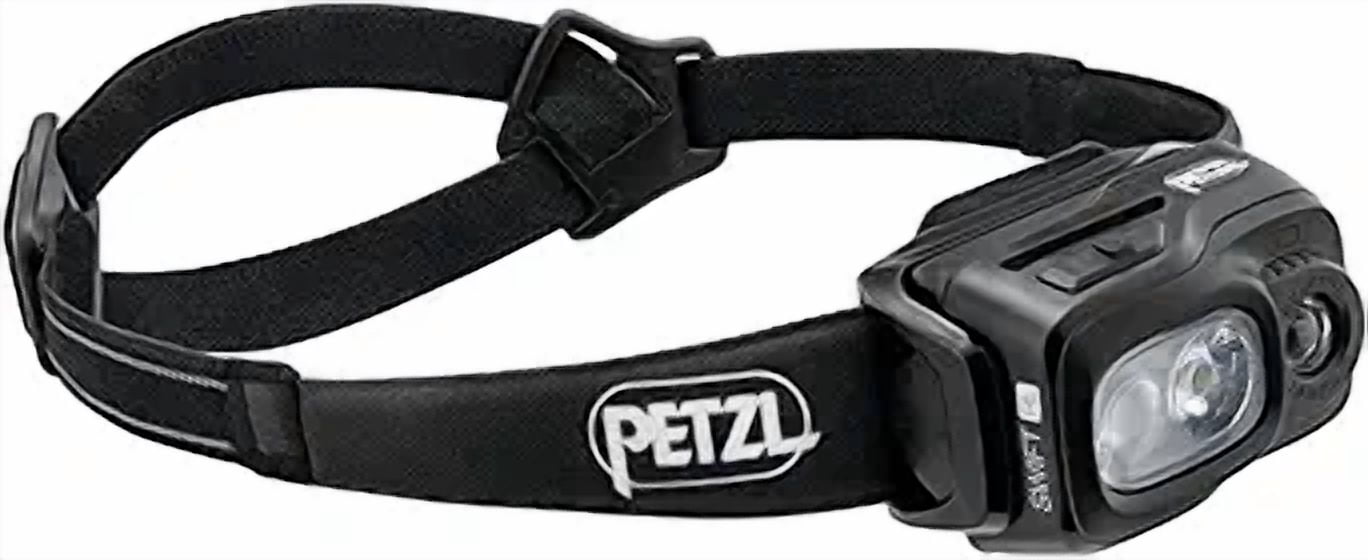
A running headlamp puts hands-free light in the direction you look. The useful beam must reveal nearby footing while giving enough forward visibility for your speed and terrain.
Lumens describe total light output, not beam quality or how long that output lasts. Optics, automatic dimming, heat and battery management determine what you see after the first minutes.
Running also demands stability. Weight distribution, strap geometry, battery placement and compatibility with hats decide whether the lamp stays aimed without excessive tension.
2Why headline brightness is incomplete
A narrow bright hotspot can hide peripheral terrain, while a broad flood can lack forward reach. Mixed road and trail running benefits from a controlled blend.
Many lamps step down from maximum output to manage heat and battery. Real usefulness depends on the sustained mode that covers the whole run.

3Five headlamp factors
Beam pattern
- What it is
- The balance of flood, hotspot and forward throw.
- How it changes the choice
- Optics distribute the same lumen output differently.
- What you may notice
- Terrain detail nearby and warning farther ahead.
Sustained runtime
- What it is
- Useful light duration in a repeatable mode.
- How it changes the choice
- High output, cold and automatic modes change drain.
- What you may notice
- Whether visibility remains adequate at the end.
Stability and balance
- What it is
- Lamp weight, straps and battery location.
- How it changes the choice
- Rear battery packs can balance a heavier front.
- What you may notice
- Less bounce and less need to overtighten.
Controls
- What it is
- Buttons, lockout and reactive-light behaviour.
- How it changes the choice
- Gloves, rain and mode sequences affect operation.
- What you may notice
- Faster changes without stopping or accidental activation.
Weather and power
- What it is
- Ingress rating and rechargeable or replaceable batteries.
- How it changes the choice
- Rain, cold and trip length set resilience needs.
- What you may notice
- More dependable operation and a practical backup plan.
4What to look for in each factor
Turn each factor into something you can verify for this guide’s job — on a spec sheet, in a shop, or in a short real-world test.
Look for
Beam pattern
- The balance of flood, hotspot and forward throw.
- Watch for: Terrain detail nearby and warning farther ahead.
- Decision tip: Optics distribute the same lumen output differently.
Look for
Sustained runtime
- Useful light duration in a repeatable mode.
- Watch for: Whether visibility remains adequate at the end.
- Decision tip: High output, cold and automatic modes change drain.
Look for
Stability and balance
- Lamp weight, straps and battery location.
- Watch for: Less bounce and less need to overtighten.
- Decision tip: Rear battery packs can balance a heavier front.
Look for
Controls
- Buttons, lockout and reactive-light behaviour.
- Watch for: Faster changes without stopping or accidental activation.
- Decision tip: Gloves, rain and mode sequences affect operation.
5Match the beam to the route
| Lit road | Dark road | Technical trail | |
|---|---|---|---|
| Priority | Be seen and fill dark patches | Forward reach plus edge visibility | Wide terrain detail plus controlled throw |
| Output | Modest can be enough | Stable medium/high mode | Higher sustained output often useful |
| Fit | Lightweight simplicity | Secure single or top strap | Maximum bounce control |
| Backup | Route dependent | Recommended | Essential when failure strands you |
Look for
Lit road
- Priority: Be seen and fill dark patches
- Output: Modest can be enough
- Fit: Lightweight simplicity
- Backup: Route dependent
Look for
Dark road
- Priority: Forward reach plus edge visibility
- Output: Stable medium/high mode
- Fit: Secure single or top strap
- Backup: Recommended
6Brightness, runtime and weight
What you may gain
- · Higher output supports faster running in full darkness
- · Larger batteries extend useful runtime
- · Reactive modes can reduce manual changes
What you may give up
- · More output consumes battery and creates heat
- · Larger batteries add weight
- · Complex modes can make controls harder to predict
7Three running-headlamp approaches
These examples illustrate beam, power and fit strategies. Verify current modes and runtimes.
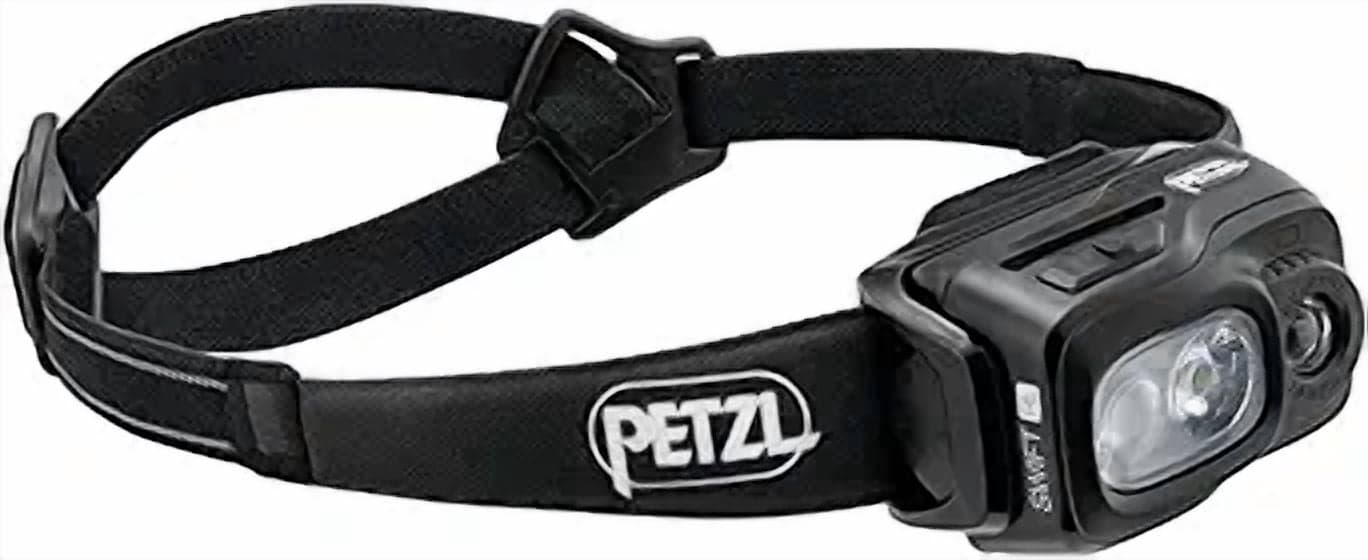
High-output reactive lamp
8.7 Kitletics Score
Petzl Swift RL
Why it illustrates the category: Shows automatic output adjustment and strong illumination in a compact running-focused format.
Best for
- · Dark trails
- · Faster night running
- · Reactive-light users
Trade-off
Premium price and mode behaviour require familiarisation.
Read review →From € 135Compact rechargeable lamp
8.1 Kitletics Score
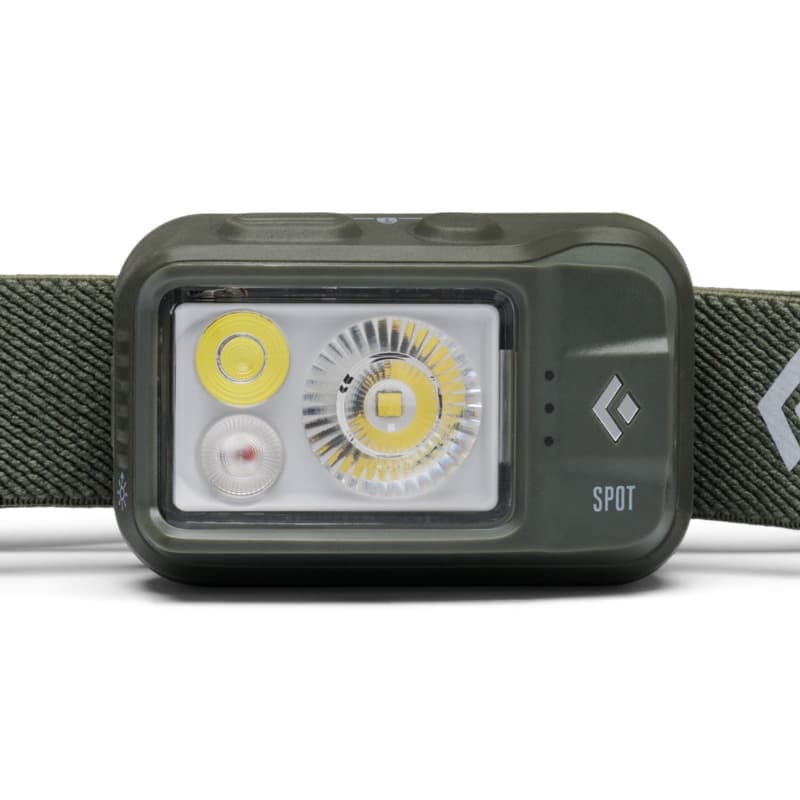
Black Diamond Spot 400-R
Why it illustrates the category: Represents a simpler all-round rechargeable option with moderate output.
Best for
- · Road running
- · Mixed outdoor use
- · Buyers prioritising compactness
Trade-off
Less specialised balance and output than some trail-running systems.
Read review →From € 75Balanced running system
8.0 Kitletics Score
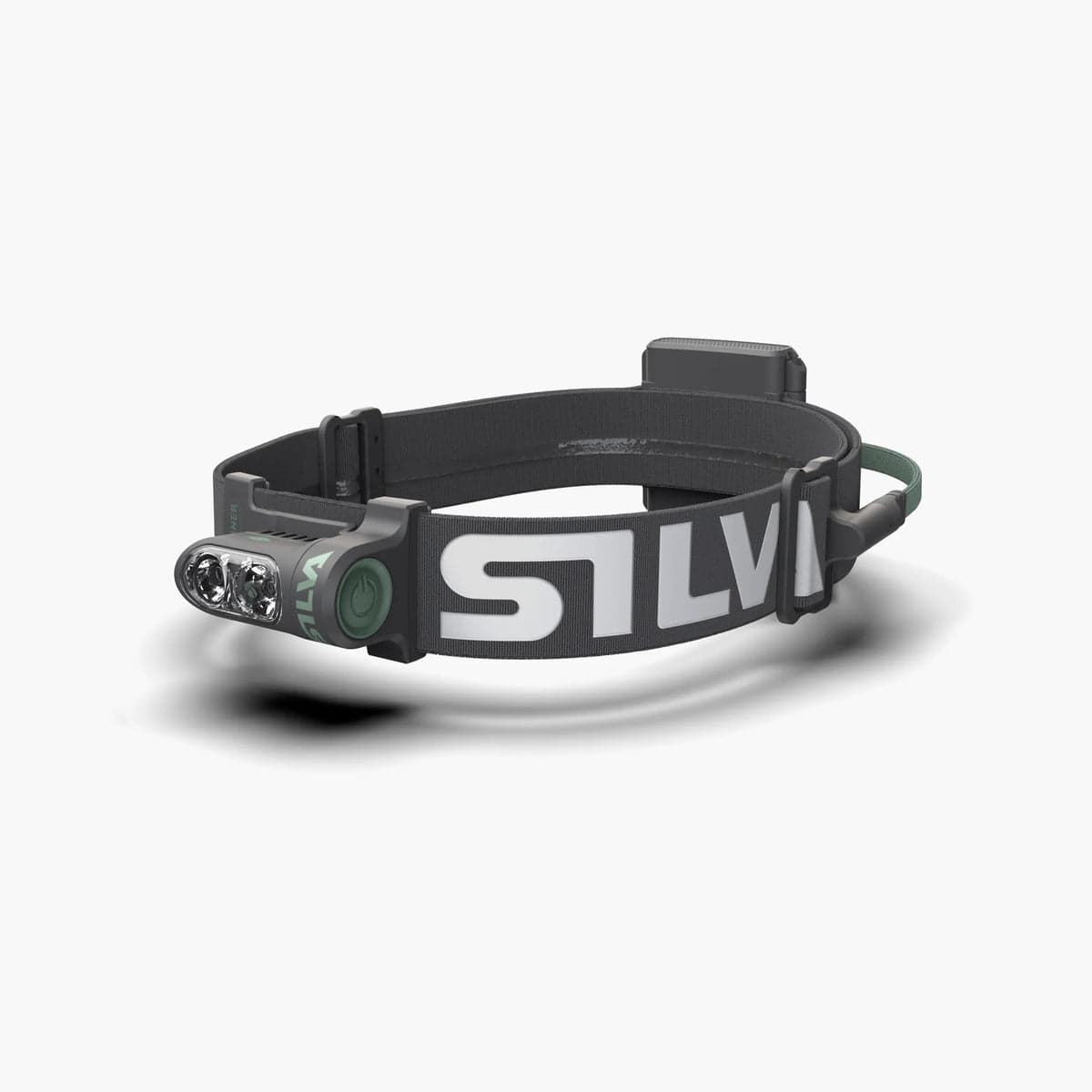
Silva Trail Runner Free 2
Why it illustrates the category: Highlights distributed weight and a beam designed around movement.
Best for
- · Long night runs
- · Runners sensitive to front weight
- · Trail use
Trade-off
More straps and external power routing than a basic lamp.
Read review →From € 160
8How current options differ
| Product | Support approach | Cushion | Drop | Widths | Best use | Key trade-off |
|---|---|---|---|---|---|---|
| — | — | — | — | High-output reactive lamp | Premium price | |
| — | — | — | — | Compact rechargeable lamp | Less intelligent beam control than Petzl RL models | |
| — | — | — | — | Balanced running system | System is bulkier than minimal headlamps |
9Choose a headlamp in six steps
- 1
Define the route
Separate lit streets, unlit roads and technical trails.
- 2
Account for speed
Faster running needs useful visibility farther ahead.
- 3
Choose beam shape
Prioritise an even flood, suitable throw or a mixed pattern.
- 4
Set sustained runtime
Use the mode you need and add cold-weather reserve.
- 5
Run-test the fit
Test with your normal hat and reject bounce or pressure.
- 6
Build redundancy
Carry backup light where a failure has real consequences.
10Common mistakes
Buying peak lumens
Peak output says little about beam shape or sustained runtime.
Testing only while standing
Running reveals bounce, pressure and beam movement.
Using the wrong runtime figure
Compare the exact brightness mode needed for the route.
Ignoring controls
Gloves and rain can make small buttons difficult.
Skipping backup light
A single failure can become a navigation and safety problem.
11Frequently asked questions
- How many lumens do I need for running?
- There is no universal number. Lit roads need less than fast technical trails; beam shape and sustained output matter more than peak lumens alone.
- Why does a headlamp get dimmer before the battery is empty?
- Many lamps reduce output to control heat or extend runtime. Compare regulated or sustained output in the mode you will use.
- Should I carry a backup headlamp?
- Yes when a failure would leave you in consequential darkness, especially on remote routes. The backup should be independent and accessible.
- How do I stop a running headlamp from bouncing?
- Balance front and rear weight, use the top strap if supplied and adjust with your usual hat. Test at running pace rather than standing still.
Compare running-light approaches
Petzl
Swift RL
High-output reactive lamp
8.7 Very GoodFrom € 135
View review →Black Diamond
Spot 400-R
Compact rechargeable lamp
8.1 GoodFrom € 75
View review →Silva
Trail Runner Free 2
Balanced running system
8.0 GoodFrom € 160
View review →
Head-to-head comparisons
Continue the decision with focused head-to-heads — who should choose which, and the trade-offs that matter.

How we research
This guide combines manufacturer specifications, catalog product data and independent specialist coverage. Product examples render from live catalog data.