The short version
- Open-ear designs leave the ear canal open and reduce isolation from surrounding sound.
- In-ear buds usually deliver stronger bass and better noise isolation.
- Open-ear does not guarantee that you will notice traffic, people or warnings.
- Fit security, wind noise, controls and sweat resistance matter during running.
- Use route-appropriate volume and follow local rules regardless of design.
Approaches in this guide
1What open-ear and in-ear mean
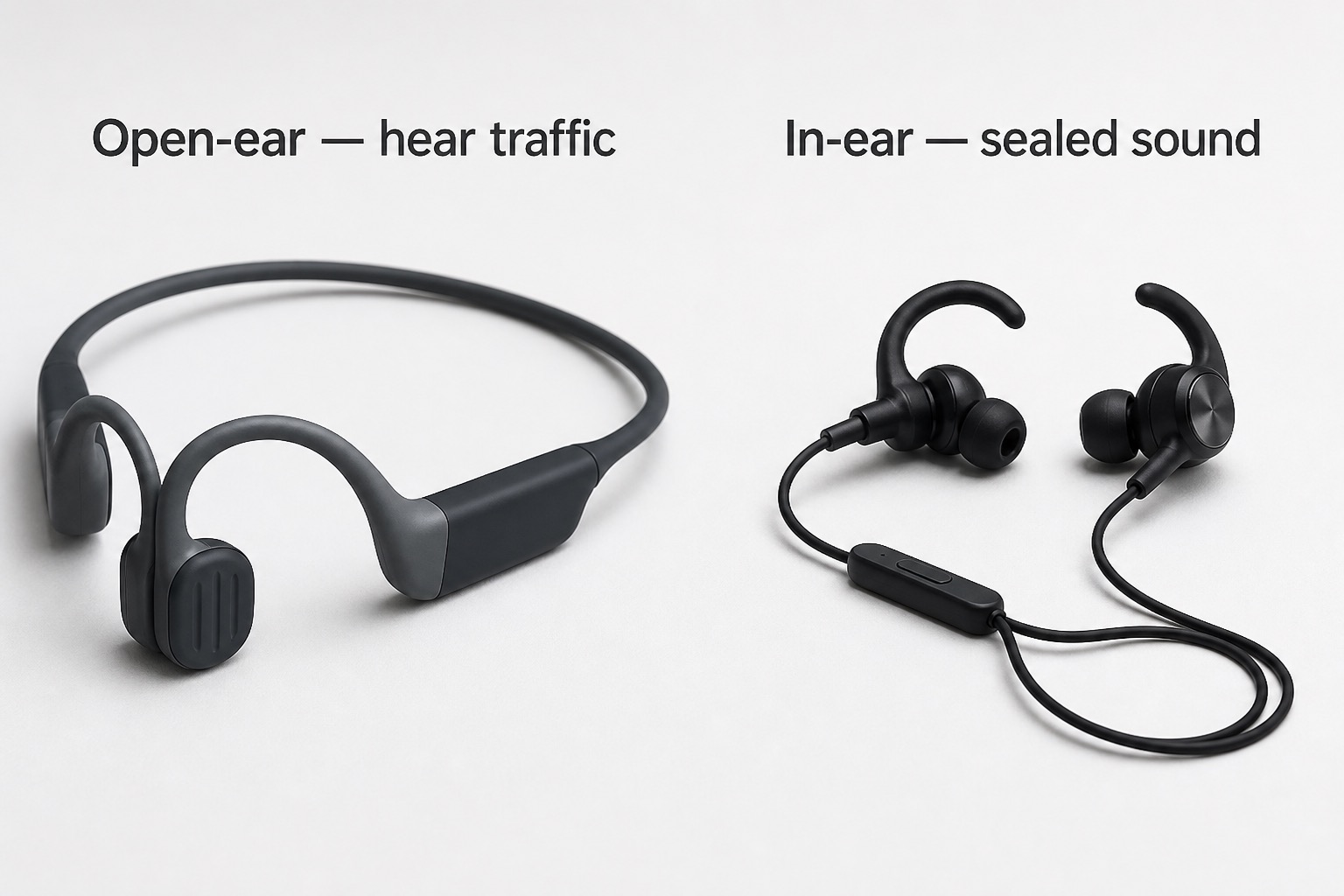
Open-ear headphones play sound without sealing the ear canal. Bone-conduction models vibrate near the cheekbone, while other designs place small speakers near the ear.
In-ear headphones place a tip or housing in the ear canal. The seal usually improves bass, detail and passive noise isolation, and many models add active noise cancellation or transparency modes.
The choice is a trade between acoustic isolation, sound quality, physical fit and how much environmental sound reaches you. No design removes the need to pay attention.
2Why the route changes the answer
On shared paths and roads, less isolation can make surrounding sounds easier to hear. Wind, playback volume, traffic direction and attention still determine what you actually notice.
In quiet gyms or controlled routes, an in-ear seal can improve sound at lower volume. During hard running, tip fit, sweat and impact can make otherwise excellent earbuds loosen.

3Five factors to compare
Environmental sound
- What it is
- How much outside sound reaches the ear.
- How it changes the choice
- Open canals admit more sound; seals and cancellation reduce it.
- What you may notice
- Different awareness of nearby activity, never a guarantee.
Running fit
- What it is
- Hooks, bands, tips and housing stability.
- How it changes the choice
- Sweat and impact expose weak fit.
- What you may notice
- Less adjustment and fewer dropped earbuds.
Sound and wind
- What it is
- Bass, clarity, leakage and wind interference.
- How it changes the choice
- In-ear seals improve bass; open designs compete more with wind.
- What you may notice
- Different intelligibility at the same route speed.
Controls
- What it is
- Buttons, touch gestures and voice prompts.
- How it changes the choice
- Sweat, gloves and movement affect operation.
- What you may notice
- Whether volume and playback changes work without distraction.
Battery and sweat rating
- What it is
- Runtime, case charging and ingress protection.
- How it changes the choice
- Long runs and heavy sweat demand reserve and suitable protection.
- What you may notice
- Fewer charging interruptions and failures.
4What to look for in each factor
Turn each factor into something you can verify for this guide’s job — on a spec sheet, in a shop, or in a short real-world test.
Look for
Environmental sound
- How much outside sound reaches the ear.
- Watch for: Different awareness of nearby activity, never a guarantee.
- Decision tip: Open canals admit more sound; seals and cancellation reduce it.
Look for
Running fit
- Hooks, bands, tips and housing stability.
- Watch for: Less adjustment and fewer dropped earbuds.
- Decision tip: Sweat and impact expose weak fit.
Look for
Sound and wind
- Bass, clarity, leakage and wind interference.
- Watch for: Different intelligibility at the same route speed.
- Decision tip: In-ear seals improve bass; open designs compete more with wind.
Look for
Controls
- Buttons, touch gestures and voice prompts.
- Watch for: Whether volume and playback changes work without distraction.
- Decision tip: Sweat, gloves and movement affect operation.
5Open-ear and in-ear compared
| Open-ear | In-ear | |
|---|---|---|
| Ear canal | Remains open | Partly or fully sealed |
| Outside sound | Generally easier to hear | Reduced by seal; transparency varies |
| Sound | Less bass, more leakage and wind competition | Stronger bass and isolation |
| Fit | Hooks or neckband avoid ear tips | Tip and housing fit are individual |
| Best context | Routes where lower isolation is preferred | Controlled routes, gym or sound priority |
Look for
Open-ear
- Ear canal: Remains open
- Outside sound: Generally easier to hear
- Sound: Less bass, more leakage and wind competition
- Fit: Hooks or neckband avoid ear tips
Look for
In-ear
- Ear canal: Partly or fully sealed
- Outside sound: Reduced by seal; transparency varies
- Sound: Stronger bass and isolation
- Fit: Tip and housing fit are individual
6Less isolation versus stronger sound
What you may gain
- · Open-ear reduces ear-canal blockage
- · In-ear usually improves bass and detail
- · Both can provide secure sport-specific fits
What you may give up
- · Open-ear sound competes with wind and traffic
- · In-ear isolation can obscure surrounding sound
- · Transparency and open designs can still mask warnings at high volume
7Three running-headphone approaches
Examples illustrate form factors rather than guaranteeing fit, awareness or safety.
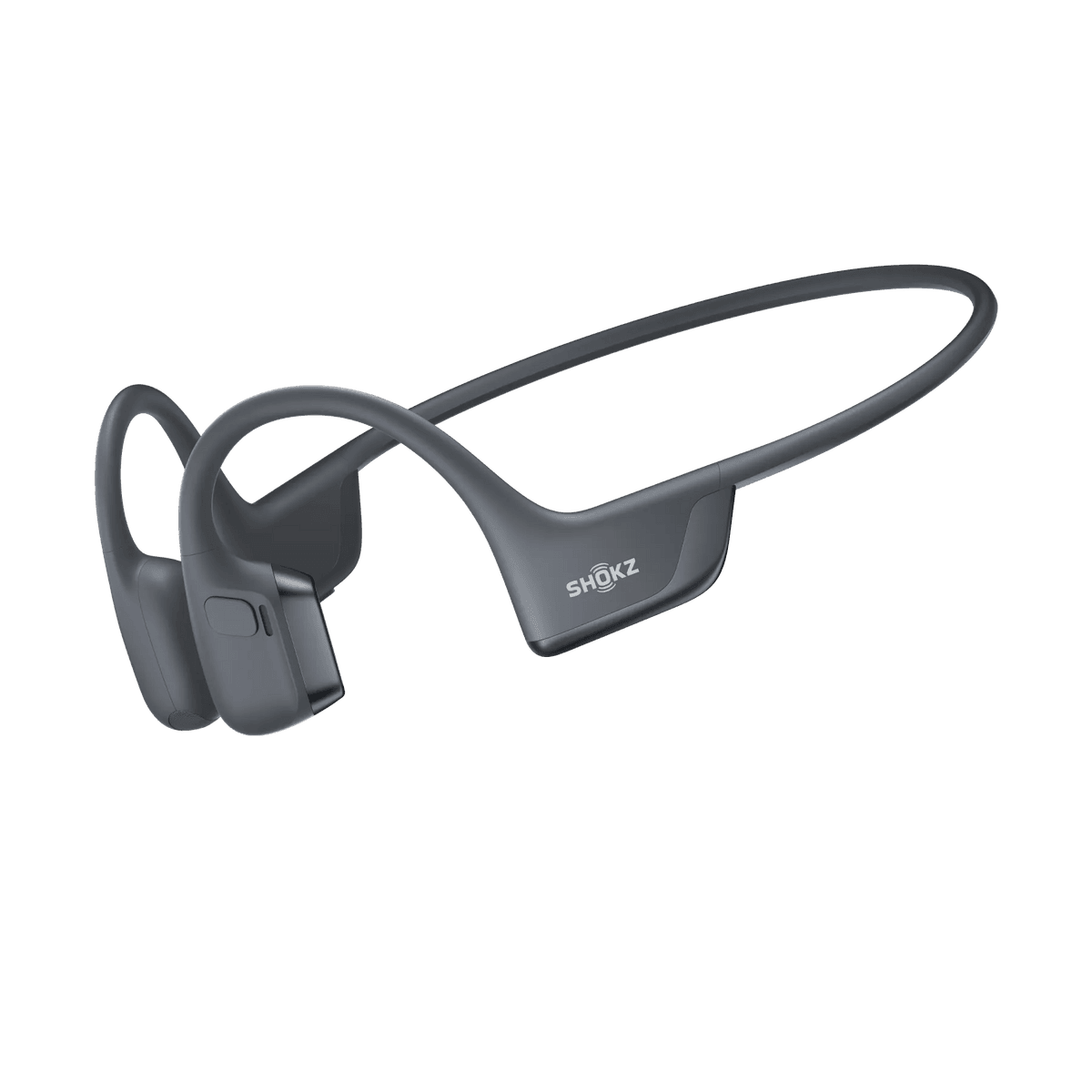
Bone-conduction open-ear
8.8 Kitletics Score
Shokz OpenRun Pro 2
Why it illustrates the category: Shows a neckband format that leaves the ear canal open.
Best for
- · Runners avoiding ear tips
- · Lower-isolation listening
- · Secure band preference
Trade-off
Less isolation and bass impact than sealed in-ear buds.
Read review →From € 179Open-ear speaker design
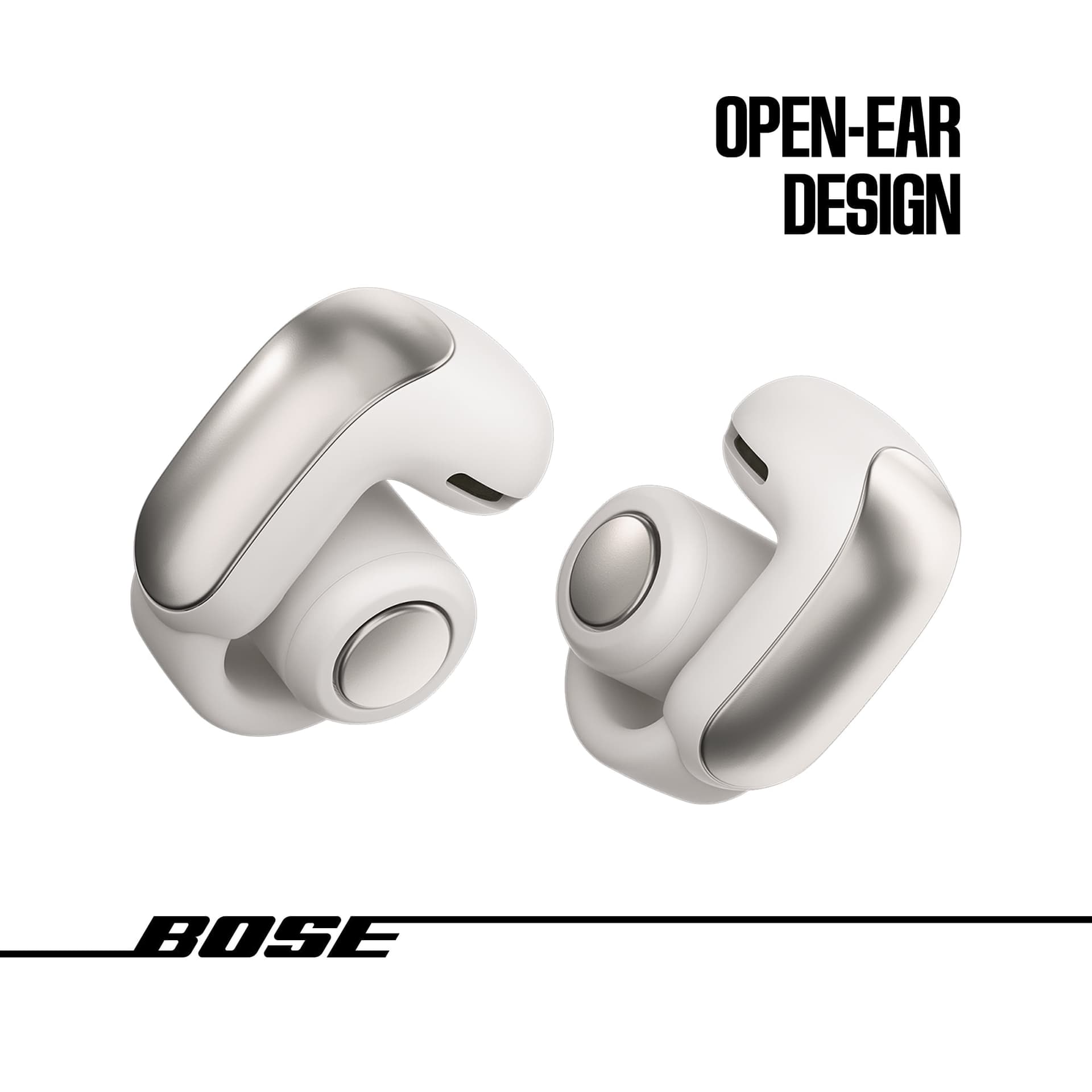
7.9 Kitletics Score
Bose Ultra Open Earbuds
Why it illustrates the category: Demonstrates an open design that positions sound near rather than inside the ear.
Best for
- · Open-ear comfort
- · Casual road running
- · Listeners prioritising less blockage
Trade-off
Premium cost and environmental noise can overpower playback.
Read review →From € 299Sealed in-ear with transparency
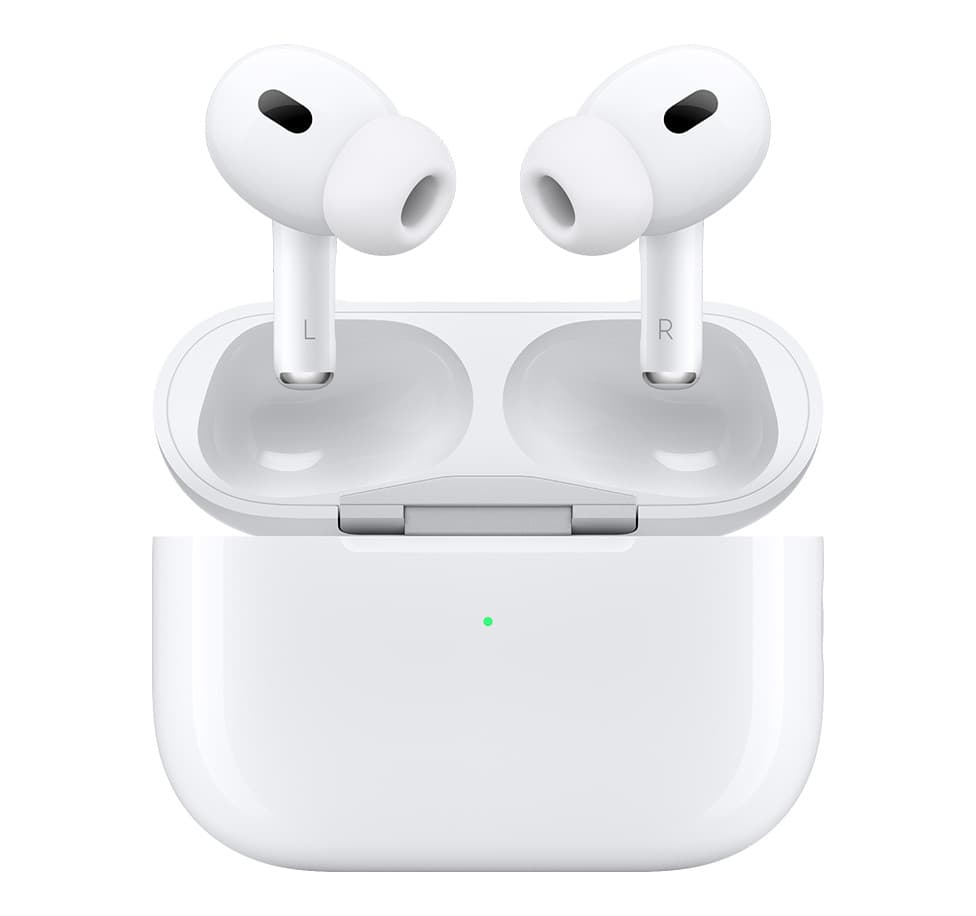
8.2 Kitletics Score
Apple AirPods Pro 2
Why it illustrates the category: Represents strong in-ear sound, cancellation and an electronic transparency option.
Best for
- · Controlled routes
- · Apple users
- · Sound and feature priority
Trade-off
Tip security varies and transparency is not guaranteed awareness.
Read review →From € 279
8How current options differ
| Product | Support approach | Cushion | Drop | Widths | Best use | Key trade-off |
|---|---|---|---|---|---|---|
| — | — | — | — | Bone-conduction open-ear | Bass limited vs in-ear buds | |
| — | — | — | — | Open-ear speaker design | Less secure than wraparound Shokz for some runners | |
| — | — | — | — | Sealed in-ear option | In-ear seal reduces outdoor awareness |
9Choose headphones in six steps
- 1
Classify the route
Separate roads, shared paths, track, treadmill and gym use.
- 2
Choose isolation level
Prefer open-ear for less isolation or in-ear when sound and sealing matter.
- 3
Test running fit
Check hooks, band pressure, tips and stability under sweat.
- 4
Test real conditions
Judge speech, music and controls in wind and traffic noise.
- 5
Set battery reserve
Cover the longest run without depending on mid-run charging.
- 6
Set safe habits
Use appropriate volume and visual checks regardless of headphone type.
10Common mistakes
Assuming open-ear means safe
Attention, volume and route behaviour still matter.
Treating transparency as natural hearing
Microphones and processing can miss or distort sounds.
Testing fit while stationary
Sweat and impact can loosen secure-feeling earbuds.
Ignoring the sweat rating
Water resistance varies and does not cover every exposure.
Forgetting controls
Touch gestures can become unreliable with sweat or gloves.
11Frequently asked questions
- Are open-ear headphones safer for outdoor running?
- Open designs generally leave more awareness of surroundings, but no headphone makes outdoor running inherently safe. Manage volume and traffic deliberately.
- Do open-ear headphones sound as good as in-ear earbuds?
- They usually deliver less bass and isolation, especially in wind or traffic. In-ear models normally provide stronger detail and low-frequency impact.
- Is transparency mode the same as open-ear listening?
- No. Transparency uses microphones and processing through a sealed or partly sealed earbud, so outside sound can be altered or missed.
- What should I check for running fit?
- Test stability under impact and sweat, pressure over a long session, control operation and whether hats or glasses interfere.
Compare running headphone designs
Shokz
OpenRun Pro 2
Bone-conduction open-ear
8.8 Very GoodFrom € 179
View review →Bose
Ultra Open Earbuds
Open-ear speaker design
7.9 SolidFrom € 299
View review →Apple
AirPods Pro 2
Sealed in-ear option
8.2 GoodFrom € 279
View review →
Head-to-head comparisons
Continue the decision with focused head-to-heads — who should choose which, and the trade-offs that matter.
How we research
This guide combines manufacturer specifications, catalog product data and independent specialist coverage. Product examples render from live catalog data.