The short version
- Start with the organiser’s mandatory kit list.
- Size the vest for water plus required layers and safety gear.
- Rehearse full-kit long runs on similar terrain.
- Navigation and light matter when weather or darkness is plausible.
- Do not carry unused litres just to look prepared.
Approaches in this guide
1Rules first, then comfort
Trail races often require specific safety items. Missing kit can mean a DNS at check-in.
Once mandatory items fit, optimise bounce, access and fluid for the course profile.
Training with the race vest teaches hot spots before they appear at kilometre forty.
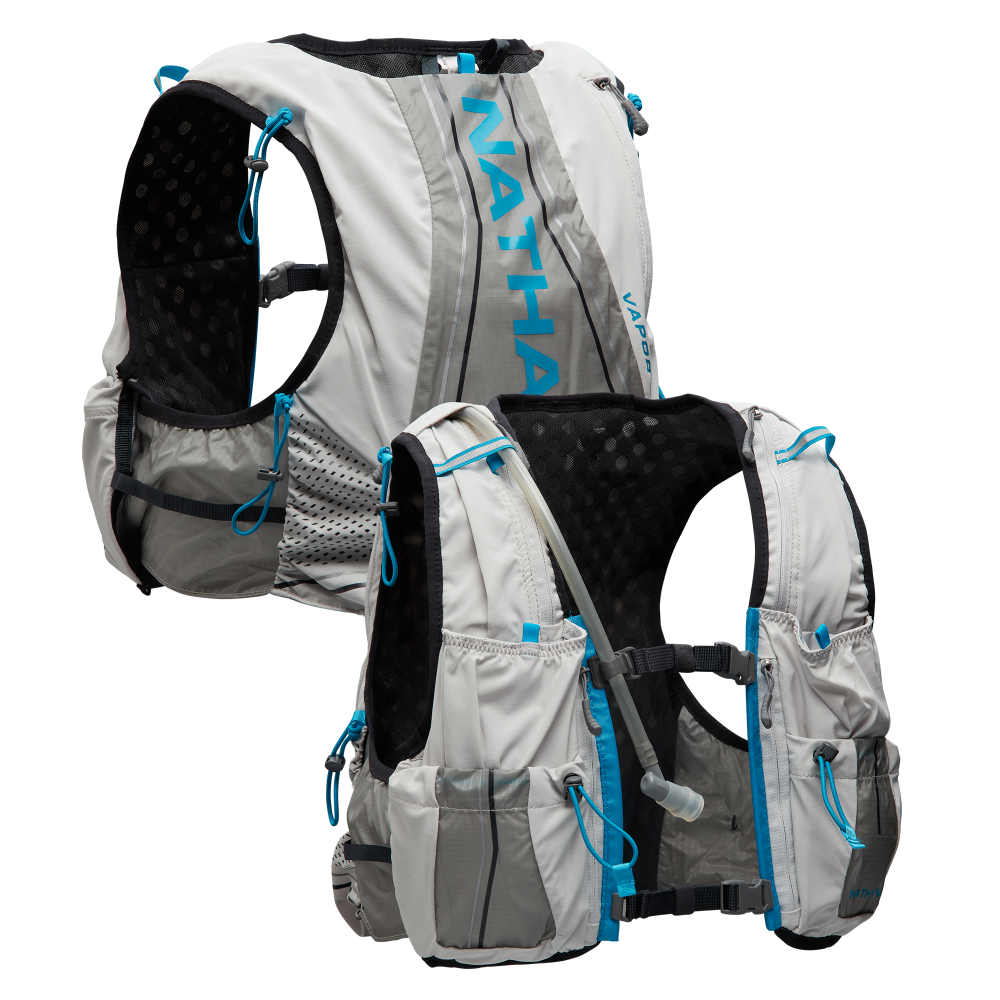
2Why this decision matters
Mandatory kit, water, layers and navigation — build from the race rules outward, not from Instagram packs.
Kit lists fail when every item is “nice” and nothing is rehearsed. Prioritise what race rules, weather and your longest sessions actually require.
3Trail kit filters
Mandatory kit
- What it is
- Jacket, whistle, phone, food minimums.
- How it changes the choice
- List drives vest size more than preference.
- What you may notice
- Check-in without scrambling.
Course demands
- What it is
- Climb, heat, remote sections.
- How it changes the choice
- Water and layer needs scale with exposure.
- What you may notice
- Enough reserves between aid stations.
On-trail access
- What it is
- Where gels, flasks and jacket live.
- How it changes the choice
- Buried layers stay unused when weather turns.
- What you may notice
- One-handed access while moving.
4What to look for in each factor
Use these checks on fit, ride and job match — verify on a short shakeout, not only on a shelf comparison.
Look for
Mandatory kit
- Jacket, whistle, phone, food minimums.
- Watch for: Check-in without scrambling.
- Decision tip: List drives vest size more than preference.
Look for
Course demands
- Climb, heat, remote sections.
- Watch for: Enough reserves between aid stations.
- Decision tip: Water and layer needs scale with exposure.
Look for
On-trail access
- Where gels, flasks and jacket live.
- Watch for: One-handed access while moving.
- Decision tip: Buried layers stay unused when weather turns.
5Compare approaches at a glance
| Race vest | Headlamp | Trail shoe | |
|---|---|---|---|
| Best for | Trail ultras, Mixed mandatory lists | Early starts, Long cutoffs | Technical trails, Mud and roots |
| Main trade-off | Overkill for short, fully supported races. | Carry weight if never used — still often required. | Wrong tool for pure road races. |
Examples illustrate approaches — not a universal ranking.
Look for
Race vest
- Best for: Trail ultras, Mixed mandatory lists
- Main trade-off: Overkill for short, fully supported races.
Look for
Headlamp
- Best for: Early starts, Long cutoffs
- Main trade-off: Carry weight if never used — still often required.
6What you gain and give up
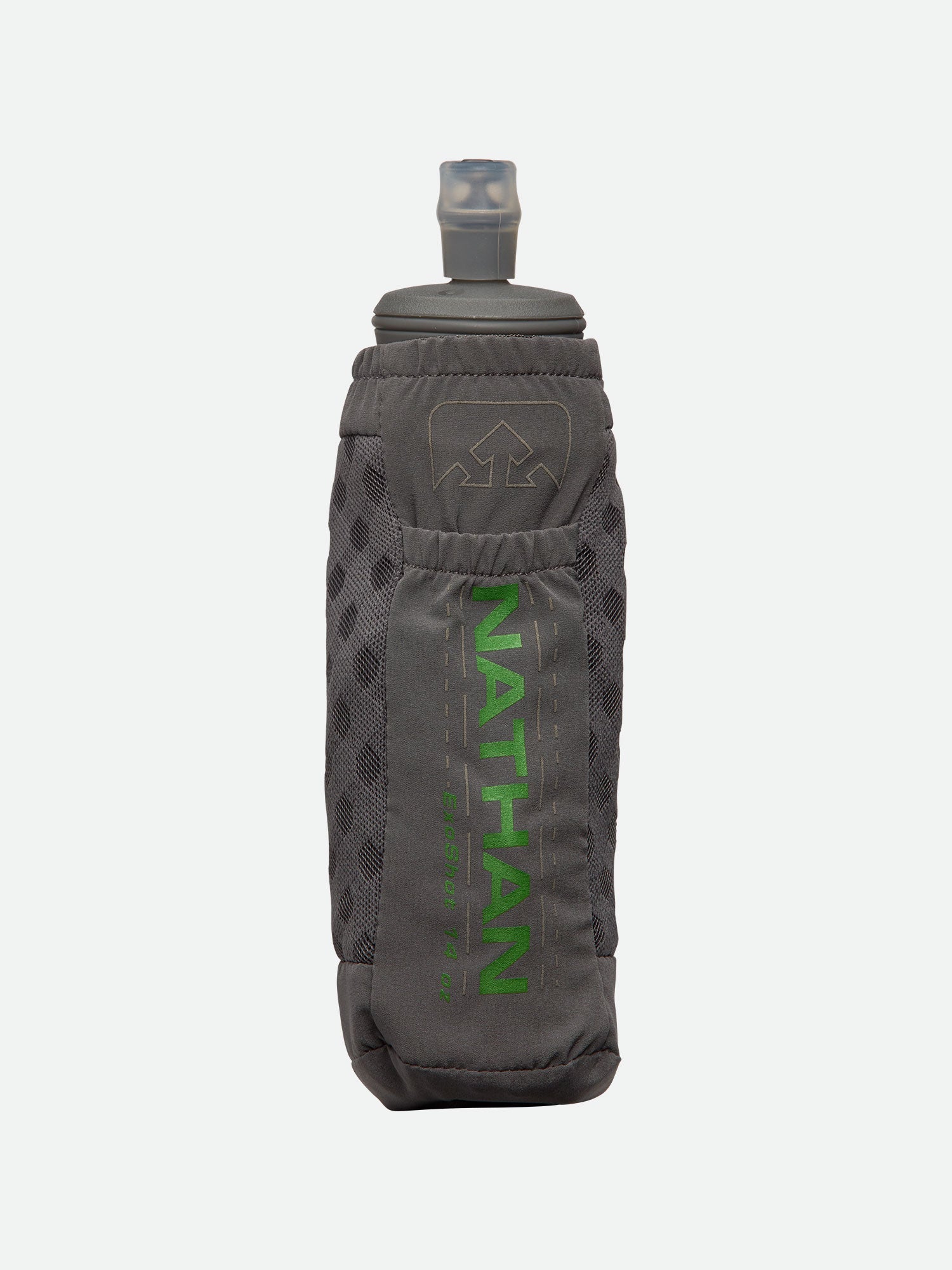
What you may gain
- · Race vest: useful when Trail ultras
- · Headlamp: useful when Early starts
- · Trail shoe: useful when Technical trails
What you may give up
- · Overkill for short, fully supported races.
- · Carry weight if never used — still often required.
- · Wrong tool for pure road races.
Trade-offs are model- and runner-dependent — verify fit and use case.
7Next step after you shortlist
Lay out the checklist the night before a long run or tune-up. Remove anything unused; add only what rules or weather demand.
If the bag is still heavy with untested items, cut until every piece has a rehearsal behind it.
8Trail kit pieces
Always defer to the specific race rules.
Race vest
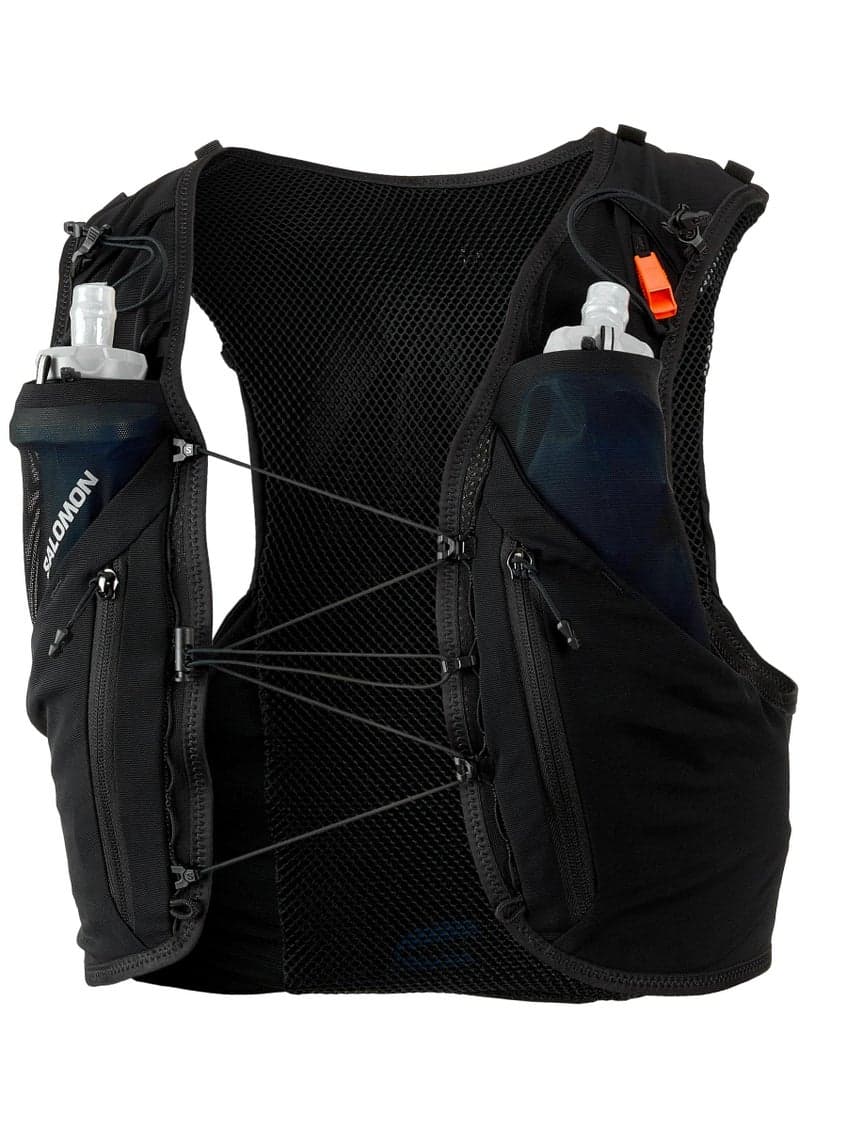
9.0 Kitletics Score
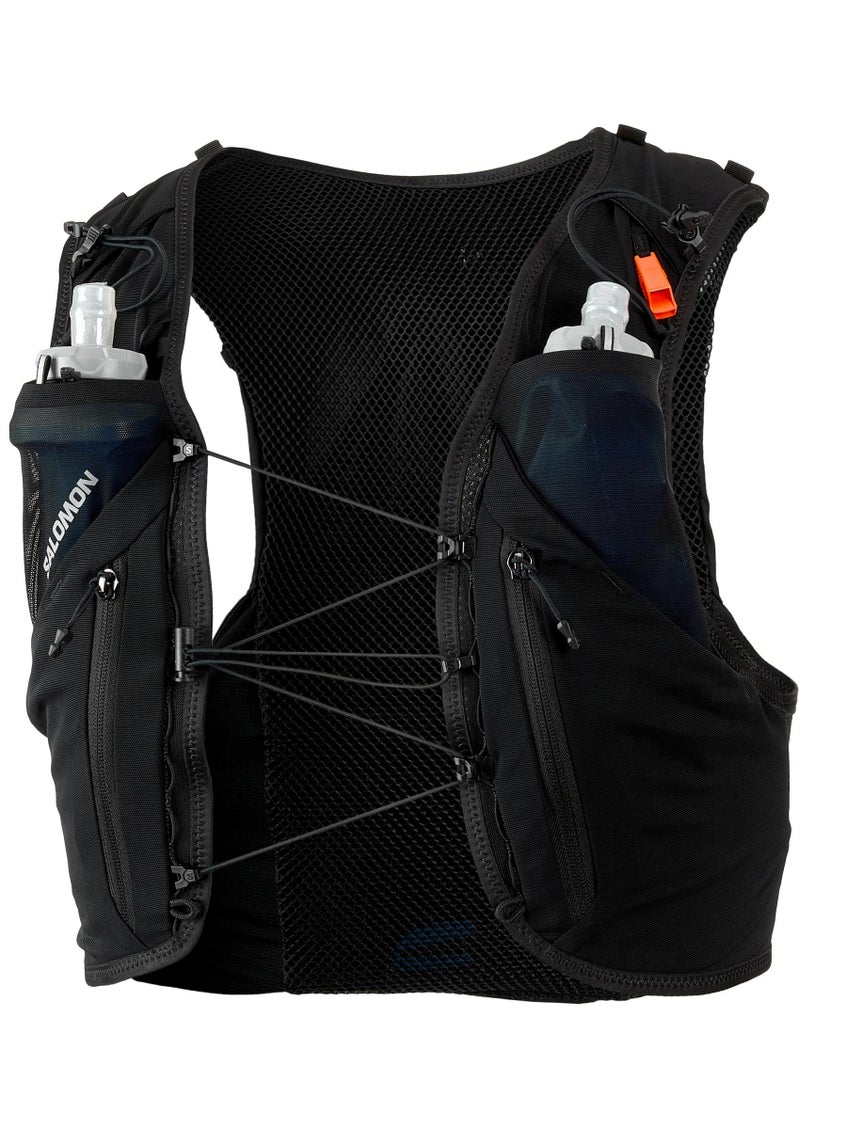
Salomon ADV Skin 12
Why it illustrates the category: Common capacity class for mandatory kit + fluid.
Best for
- · Trail ultras
- · Mixed mandatory lists
Trade-off
Overkill for short, fully supported races.
Read review →From € 160Headlamp
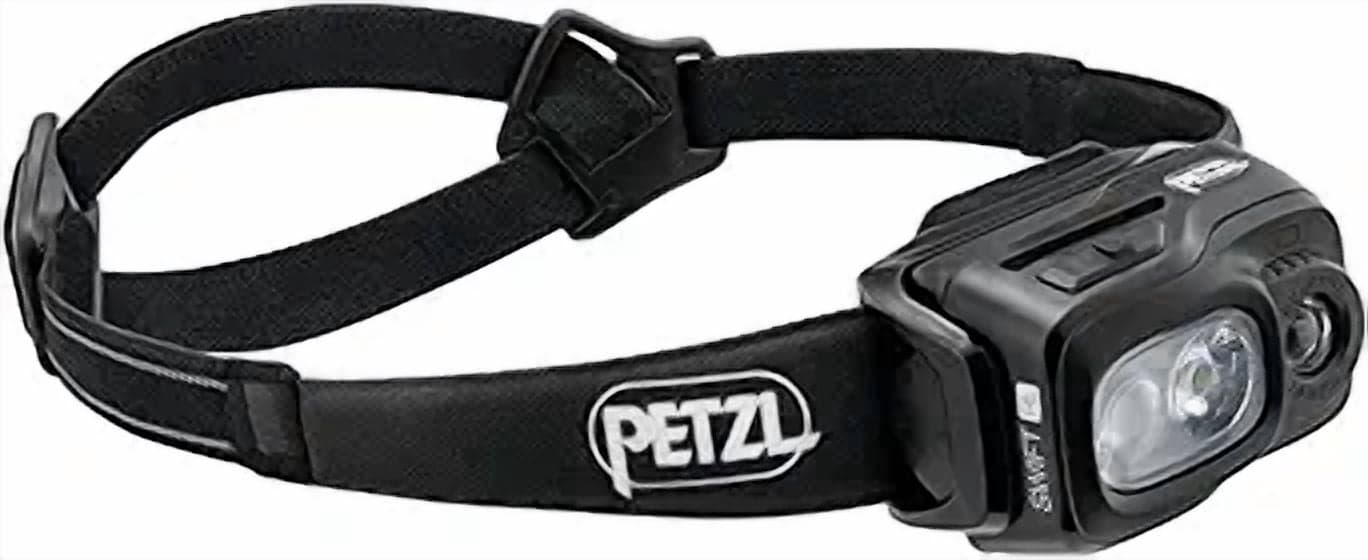
8.7 Kitletics Score
Petzl Swift RL
Why it illustrates the category: Darkness insurance when start/finish times spill into night.
Best for
- · Early starts
- · Long cutoffs
Trade-off
Carry weight if never used — still often required.
Read review →From € 135Trail shoe
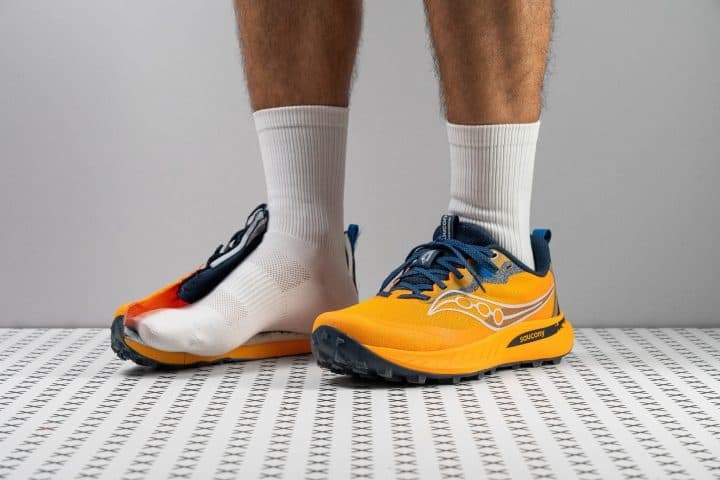
8.3 Kitletics Score
Saucony Peregrine 15
Why it illustrates the category: Grip and protection matched to soft or rocky surfaces.
Best for
- · Technical trails
- · Mud and roots
Trade-off
Wrong tool for pure road races.
Read review →From € 150
9How current options differ
| Product | Support approach | Cushion | Drop | Widths | Best use | Key trade-off |
|---|---|---|---|---|---|---|
| — | — | — | — | Trail vest | Overkill for road 10K | |
| — | — | — | — | Headlamp | Premium price | |
Saucony Peregrine 15 mild-stability | PWRRUN | medium | 4 mm | standard, wide | Trail shoe | Not ideal on long road connectors |
10How to decide
- 1
Mandatory kit
Jacket, whistle, phone, food minimums. List drives vest size more than preference. You will notice: Check-in without scrambling.
- 2
Course demands
Climb, heat, remote sections. Water and layer needs scale with exposure. You will notice: Enough reserves between aid stations.
- 3
On-trail access
Where gels, flasks and jacket live. Buried layers stay unused when weather turns. You will notice: One-handed access while moving.
11Common mistakes
Ignoring the mandatory list until race week
Buy and rehearse early — specialty kit sells out.
Buying features you will not use
Extra modes and marketing claims only help when they change a real session outcome.
Skipping a training test
Race-week surprises usually come from untested fuel, fit or battery profiles.
Forcing one product to do every job
Specialist tools exist because weekly volume and intensity ask for different compromises.
12Frequently asked questions
- What is the quick takeaway on this topic?
- Start with the organiser’s mandatory kit list. Size the vest for water plus required layers and safety gear.
- How should I weigh mandatory kit?
- Jacket, whistle, phone, food minimums. List drives vest size more than preference. In practice: Check-in without scrambling.
- What mistake should I avoid?
- Ignoring the mandatory list until race week: Buy and rehearse early — specialty kit sells out.
- How do product examples help?
- Race vest illustrates this topic because Common capacity class for mandatory kit + fluid. Trade-off: Overkill for short, fully supported races.
Trail race essentials
Salomon
ADV Skin 12
Trail vest
9.0 ExcellentFrom € 160
View review →Petzl
Swift RL
Headlamp
8.7 Very GoodFrom € 135
View review →Saucony
Peregrine 15
Trail shoe
8.3 GoodFrom € 150
View review →
Head-to-head comparisons
Continue the decision with focused head-to-heads — who should choose which, and the trade-offs that matter.


How we research
This guide combines manufacturer specifications, catalog product data and independent specialist coverage. Product examples render from live catalog data and illustrate approaches — not medical or ranking claims.