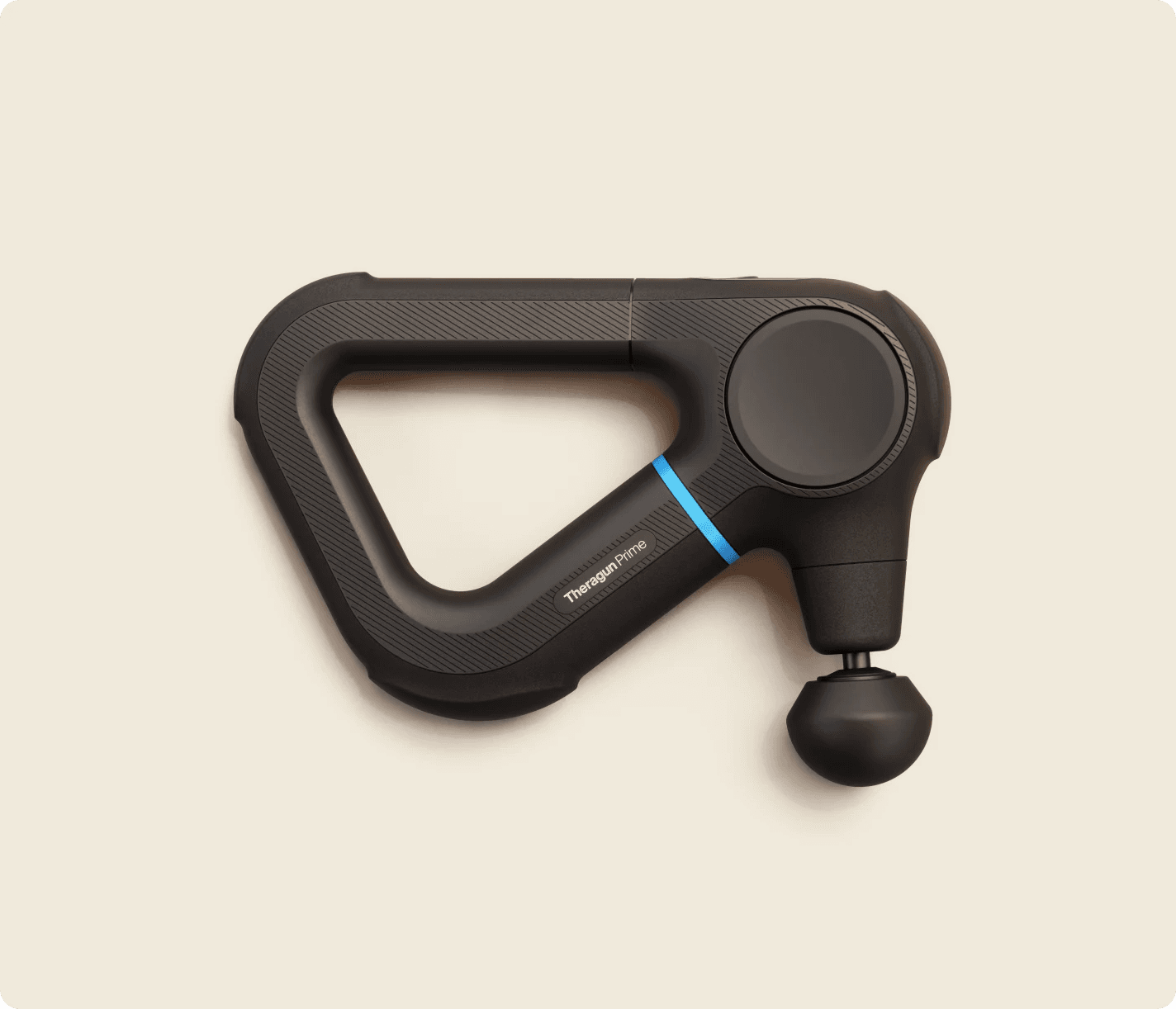
The short version
- Use massage guns for brief, tolerable pressure — not bruising sessions.
- Amplitude and head shape change how deep and precise the tool feels.
- Travel size trades power for packability.
- Noise and battery decide whether you will actually use it.
- Percussion is not a diagnosis tool or injury treatment plan.
Percussion devices are consumer recovery tools. They do not diagnose or treat injuries. Stop if pain increases and seek clinical care for injuries.
Approaches in this guide
1What a massage gun does
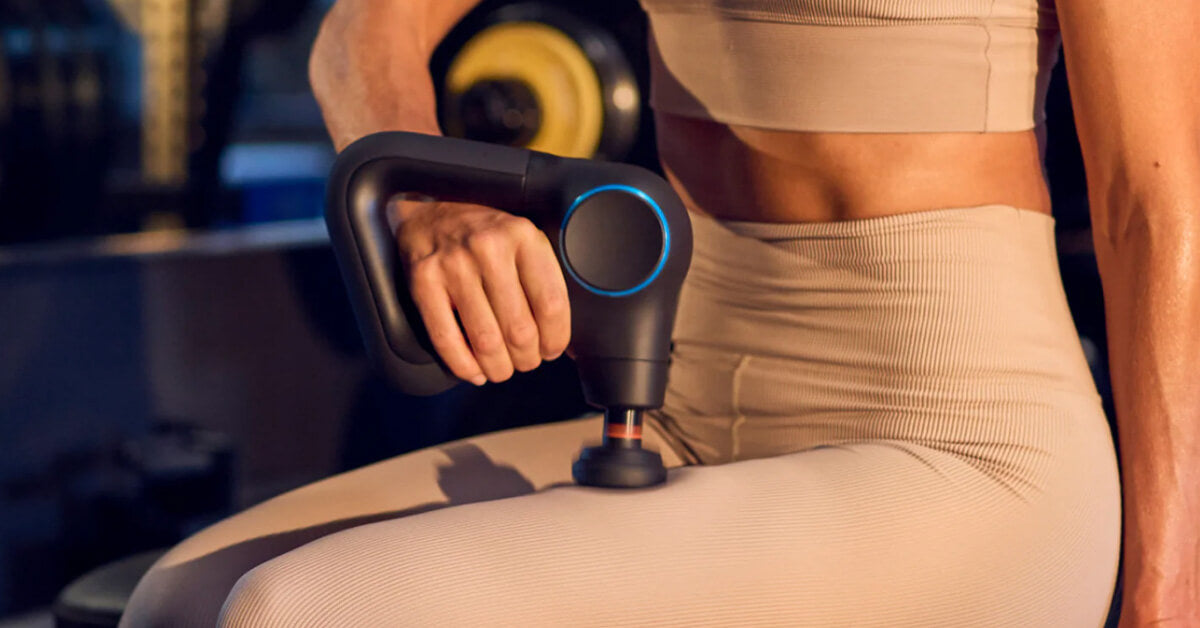
A massage gun delivers rapid percussion through interchangeable heads. Runners use them to target sore spots around training.
Force numbers in ads are hard to compare across brands. Amplitude, head geometry, ergonomics and battery matter more in daily use.
Keep sessions short and pressure comfortable. More aggression is not more recovery.
2Why this decision matters
Percussion tools for short, targeted sessions — amplitude, reach and noise matter more than peak marketing force.
Recovery tools fail when they replace sleep or become a ritual that eats training time. Prefer short, tolerable routines you will repeat; this is not clinical treatment advice.
3Buy with these filters
Amplitude and heads
- What it is
- Stroke length and attachment shapes.
- How it changes the choice
- Different heads suit large muscles vs bony areas.
- What you may notice
- Coverage without sharp hotspot pain.
Size vs power
- What it is
- Full-size vs mini form factors.
- How it changes the choice
- Travel tools pack easier but may feel milder.
- What you may notice
- Whether it earns a place in the race bag.
Noise and battery
- What it is
- Sound level and runtime.
- How it changes the choice
- Loud tools get left unused at home or hotels.
- What you may notice
- Routine use after hard sessions.
Handle reach
- What it is
- Angle and grip for your own back and calves.
- How it changes the choice
- Poor ergonomics limit independent use.
- What you may notice
- You can hit target areas without a partner.
4What to look for in each factor
Check each recovery factor against comfort, session length and what you will actually use after hard runs — not against clinic marketing claims.
Look for
Amplitude and heads
- Stroke length and attachment shapes.
- Watch for: Coverage without sharp hotspot pain.
- Decision tip: Different heads suit large muscles vs bony areas.
Look for
Size vs power
- Full-size vs mini form factors.
- Watch for: Whether it earns a place in the race bag.
- Decision tip: Travel tools pack easier but may feel milder.
Look for
Noise and battery
- Sound level and runtime.
- Watch for: Routine use after hard sessions.
- Decision tip: Loud tools get left unused at home or hotels.
Look for
Handle reach
- Angle and grip for your own back and calves.
- Watch for: You can hit target areas without a partner.
- Decision tip: Poor ergonomics limit independent use.
5Compare approaches at a glance
Option
Compact percussion
Best for
Travel, Race weekends
Main trade-off
Less amplitude than full-size units.
Option
Foam roller
Best for
Home routine
Main trade-off
Takes more time and floor space.
| Compact percussion | Foam roller | Recovery sandal | |
|---|---|---|---|
| Best for | Travel, Race weekends | Home routine | Post-run standing |
| Main trade-off | Less amplitude than full-size units. | Takes more time and floor space. | Not a substitute for tissue work. |
Examples illustrate approaches — not a universal ranking.
Look for
Compact percussion
- Best for: Travel, Race weekends
- Main trade-off: Less amplitude than full-size units.
Look for
Foam roller
- Best for: Home routine
- Main trade-off: Takes more time and floor space.
6What you gain and give up
What you may gain
- · Compact percussion: useful when Travel
- · Foam roller: useful when Home routine
- · Recovery sandal: useful when Post-run standing
What you may give up
- · Less amplitude than full-size units.
- · Takes more time and floor space.
- · Not a substitute for tissue work.
Trade-offs are model- and runner-dependent — verify fit and use case.
7Next step after you shortlist
Use the shortlist after one hard session and one long run. Note whether you actually used the tool and whether comfort changed enough to keep the habit.
If the routine dies within a week, choose the simpler option you will repeat — consistency beats amplitude claims.
8Percussion and complementary tools
Illustrative recovery tools — not a clinical protocol.
Compact percussion
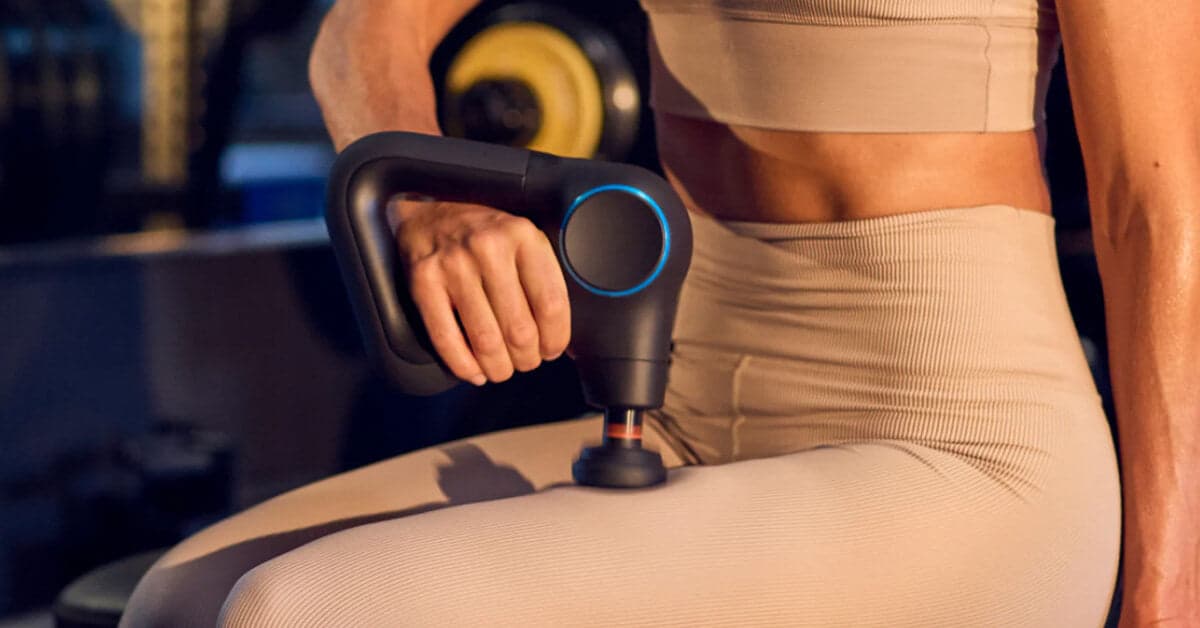
7.8 Kitletics Score
Therabody Theragun mini
Why it illustrates the category: Travel-friendly gun for short targeted passes.
Best for
- · Travel
- · Race weekends
Trade-off
Less amplitude than full-size units.
Read review →From € 199Foam roller
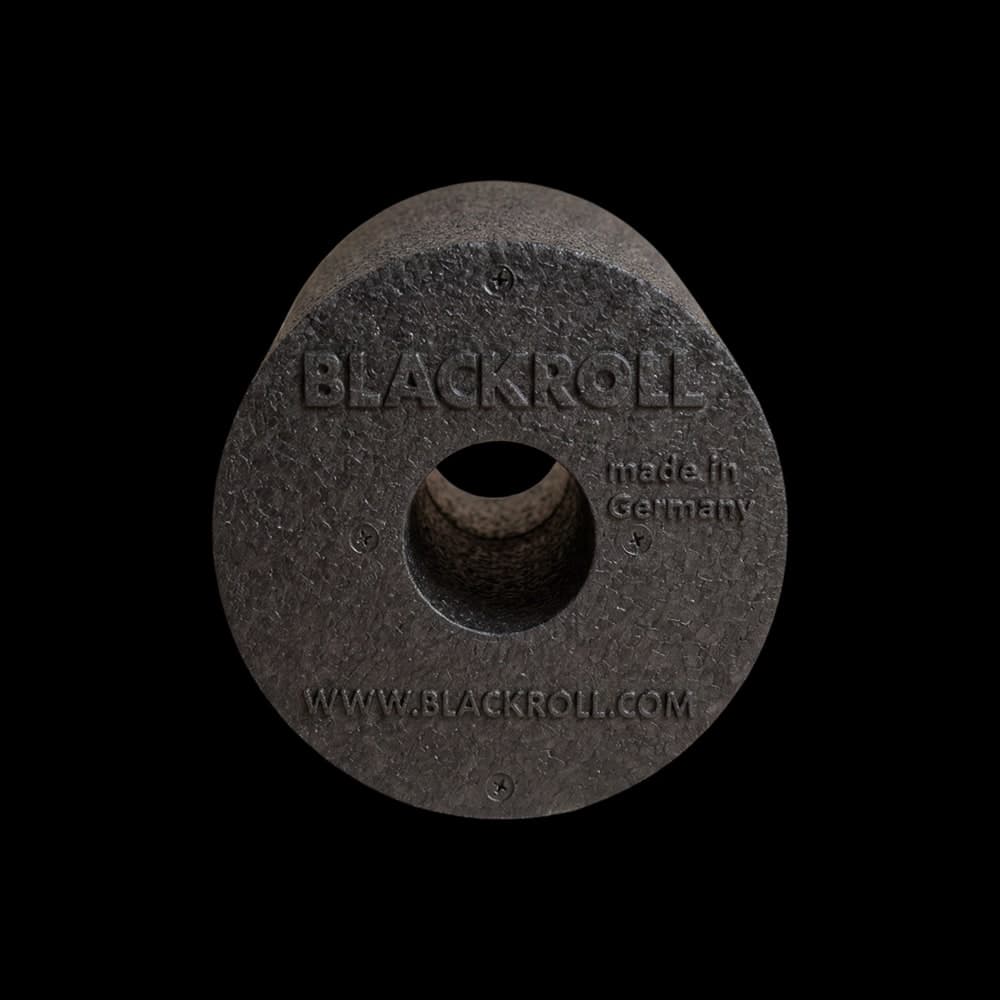
8.2 Kitletics Score
BLACKROLL BLACKROLL STANDARD
Why it illustrates the category: Broader tissue coverage than a gun tip.
Best for
- · Home routine
Trade-off
Takes more time and floor space.
View product →From € 30Recovery sandal
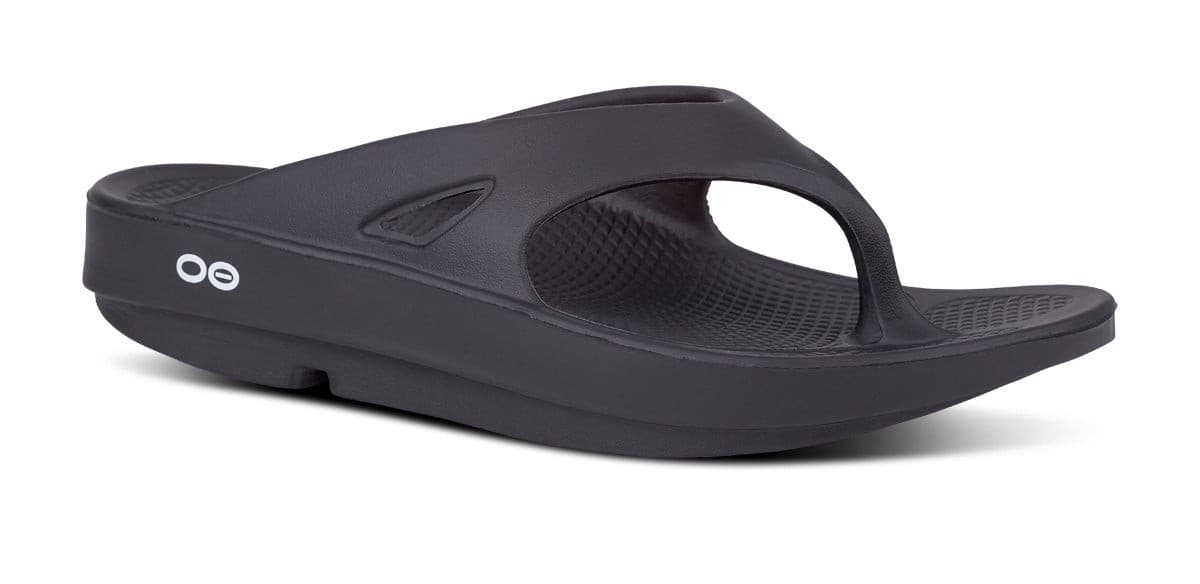
7.7 Kitletics Score
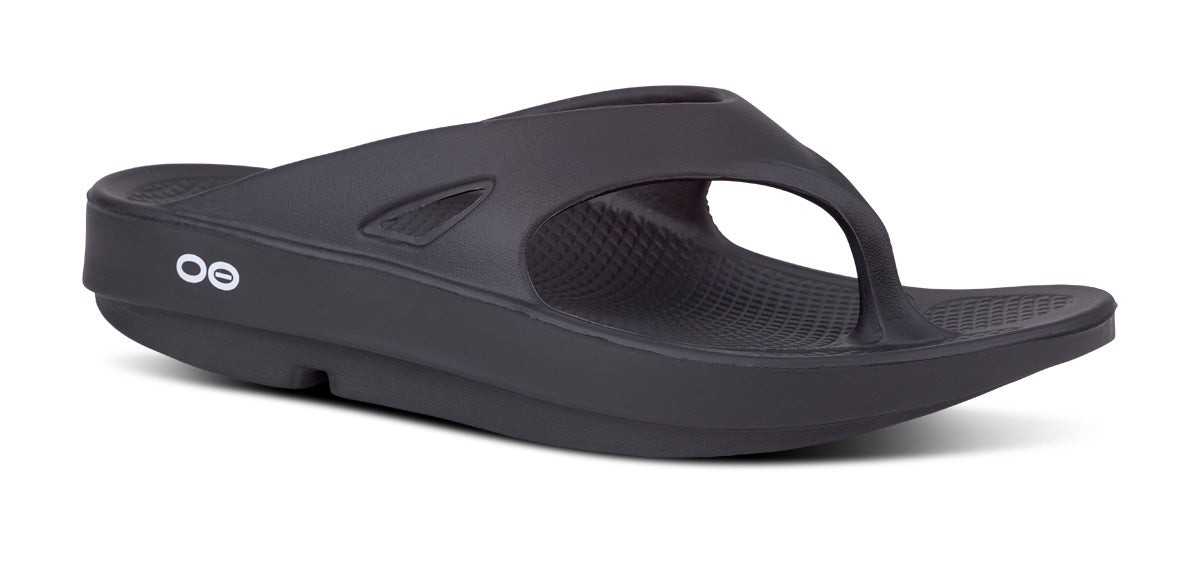
OOFOS OOriginal
Why it illustrates the category: Passive comfort after long days on feet.
Best for
- · Post-run standing
Trade-off
Not a substitute for tissue work.
Read review →From € 60
9How current options differ
| Product | Support approach | Cushion | Drop | Widths | Best use | Key trade-off |
|---|---|---|---|---|---|---|
| — | — | — | — | Massage gun | Less power than full-size guns | |
| — | — | — | — | Foam roller | Basic vs percussion devices | |
| — | high | — | — | Recovery sandal | Not a running shoe |
10How to decide
- 1
Amplitude and heads
Stroke length and attachment shapes. Different heads suit large muscles vs bony areas. You will notice: Coverage without sharp hotspot pain.
- 2
Size vs power
Full-size vs mini form factors. Travel tools pack easier but may feel milder. You will notice: Whether it earns a place in the race bag.
- 3
Noise and battery
Sound level and runtime. Loud tools get left unused at home or hotels. You will notice: Routine use after hard sessions.
- 4
Handle reach
Angle and grip for your own back and calves. Poor ergonomics limit independent use. You will notice: You can hit target areas without a partner.
11Common mistakes
Chasing bruise-level pressure
Comfortable short sessions beat aggressive passes.
Using a gun on acute injuries
Seek clinical guidance for sharp pain or suspected injury.
Replacing sleep and easy days
Tools support recovery — they do not replace load management.
12Frequently asked questions
- What is the quick takeaway on this topic?
- Use massage guns for brief, tolerable pressure — not bruising sessions. Amplitude and head shape change how deep and precise the tool feels.
- How should I weigh amplitude and heads?
- Stroke length and attachment shapes. Different heads suit large muscles vs bony areas. In practice: Coverage without sharp hotspot pain.
- What mistake should I avoid?
- Chasing bruise-level pressure: Comfortable short sessions beat aggressive passes.
- How do product examples help?
- Compact percussion illustrates this topic because Travel-friendly gun for short targeted passes. Trade-off: Less amplitude than full-size units.
Recovery tool approaches
Therabody
Theragun mini
Massage gun
7.8 SolidFrom € 199
View review →BLACKROLL
BLACKROLL STANDARD
Foam roller
8.2 GoodFrom € 30
View product →OOFOS
OOriginal
Recovery sandal
7.7 SolidFrom € 60
View review →
Head-to-head comparisons
Continue the decision with focused head-to-heads — who should choose which, and the trade-offs that matter.
How we research
This guide combines manufacturer specifications, catalog product data and independent specialist coverage. Product examples render from live catalog data and illustrate approaches — not medical or ranking claims.