The short version
- Sleep, nutrition and easy days drive recovery more than gadgets.
- Many tools help comfort and routine — that can still be worth buying.
- Be sceptical of dramatic performance or injury-prevention claims.
- Choose tools you will use consistently after hard sessions.
- Stop if pain worsens; tools are not diagnosis devices.
This guide summarises practical buying judgement around consumer recovery tools. It is not medical advice or a treatment plan.
Approaches in this guide
1What “recovery tools” usually means
Runners buy rollers, percussion devices, sandals and similar products to feel better between sessions. Comfort and habit are legitimate goals.
Marketing often overstates what consumer tools can prove for performance or injury risk. Buy for use you will repeat — not miracle claims.
The hierarchy stays familiar: training load, sleep and fuelling first; tools as optional support.
2Why this decision matters
Separate comfort and routine from proven performance claims — sleep and training load still dominate recovery.
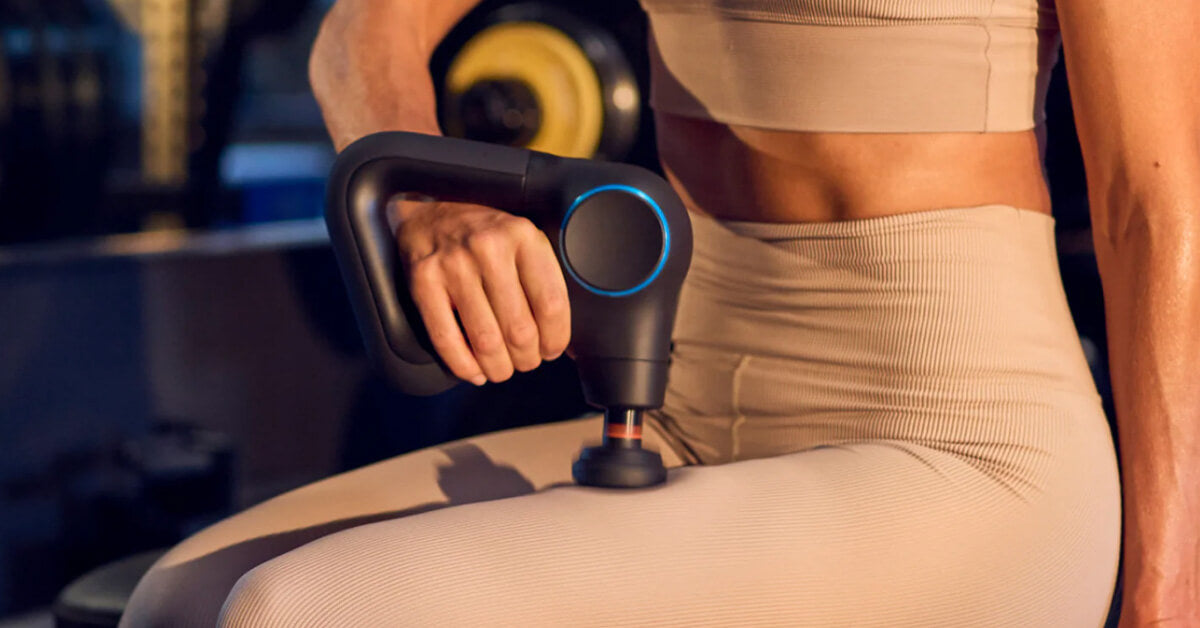
Recovery tools fail when they replace sleep or become a ritual that eats training time. Prefer short, tolerable routines you will repeat; this is not clinical treatment advice.
3Judge tools with these filters
Claim vs comfort
- What it is
- What the brand promises versus how it feels.
- How it changes the choice
- Big claims need bigger scepticism.
- What you may notice
- Whether you buy comfort or hype.
Adherence
- What it is
- Likelihood you will use it weekly.
- How it changes the choice
- Unused tools recover nothing.
- What you may notice
- A short routine that sticks.
Training load context
- What it is
- Easy days and sleep around hard sessions.
- How it changes the choice
- Gadgets cannot offset chronic overload.
- What you may notice
- Better weeks when load is sane.
Budget honesty
- What it is
- Cost versus a simpler tool that gets used.
- How it changes the choice
- Premium toys often sit unused.
- What you may notice
- Money spent on the routine you keep.
4What to look for in each factor
Check each recovery factor against comfort, session length and what you will actually use after hard runs — not against clinic marketing claims.
Look for
Claim vs comfort
- What the brand promises versus how it feels.
- Watch for: Whether you buy comfort or hype.
- Decision tip: Big claims need bigger scepticism.
Look for
Adherence
- Likelihood you will use it weekly.
- Watch for: A short routine that sticks.
- Decision tip: Unused tools recover nothing.
Look for
Training load context
- Easy days and sleep around hard sessions.
- Watch for: Better weeks when load is sane.
- Decision tip: Gadgets cannot offset chronic overload.
Look for
Budget honesty
- Cost versus a simpler tool that gets used.
- Watch for: Money spent on the routine you keep.
- Decision tip: Premium toys often sit unused.
5Compare approaches at a glance
Option
Foam roller
Best for
Home habits
Main trade-off
Takes time and space.
Option
Percussion gun
Best for
Travel, Local spots
Main trade-off
Easy to overuse aggressively.
| Foam roller | Percussion gun | Recovery sandal | |
|---|---|---|---|
| Best for | Home habits | Travel, Local spots | Race weekends |
| Main trade-off | Takes time and space. | Easy to overuse aggressively. | Comfort ≠ proven performance effect. |
Examples illustrate approaches — not a universal ranking.
Look for
Foam roller
- Best for: Home habits
- Main trade-off: Takes time and space.
Look for
Percussion gun
- Best for: Travel, Local spots
- Main trade-off: Easy to overuse aggressively.
6What you gain and give up
What you may gain
- · Foam roller: useful when Home habits
- · Percussion gun: useful when Travel
- · Recovery sandal: useful when Race weekends
What you may give up
- · Takes time and space.
- · Easy to overuse aggressively.
- · Comfort ≠ proven performance effect.
Trade-offs are model- and runner-dependent — verify fit and use case.
7Next step after you shortlist
Use the shortlist after one hard session and one long run. Note whether you actually used the tool and whether comfort changed enough to keep the habit.
If the routine dies within a week, choose the simpler option you will repeat — consistency beats amplitude claims.
8Common tool categories
Category examples — not ranked medical devices.
Foam roller
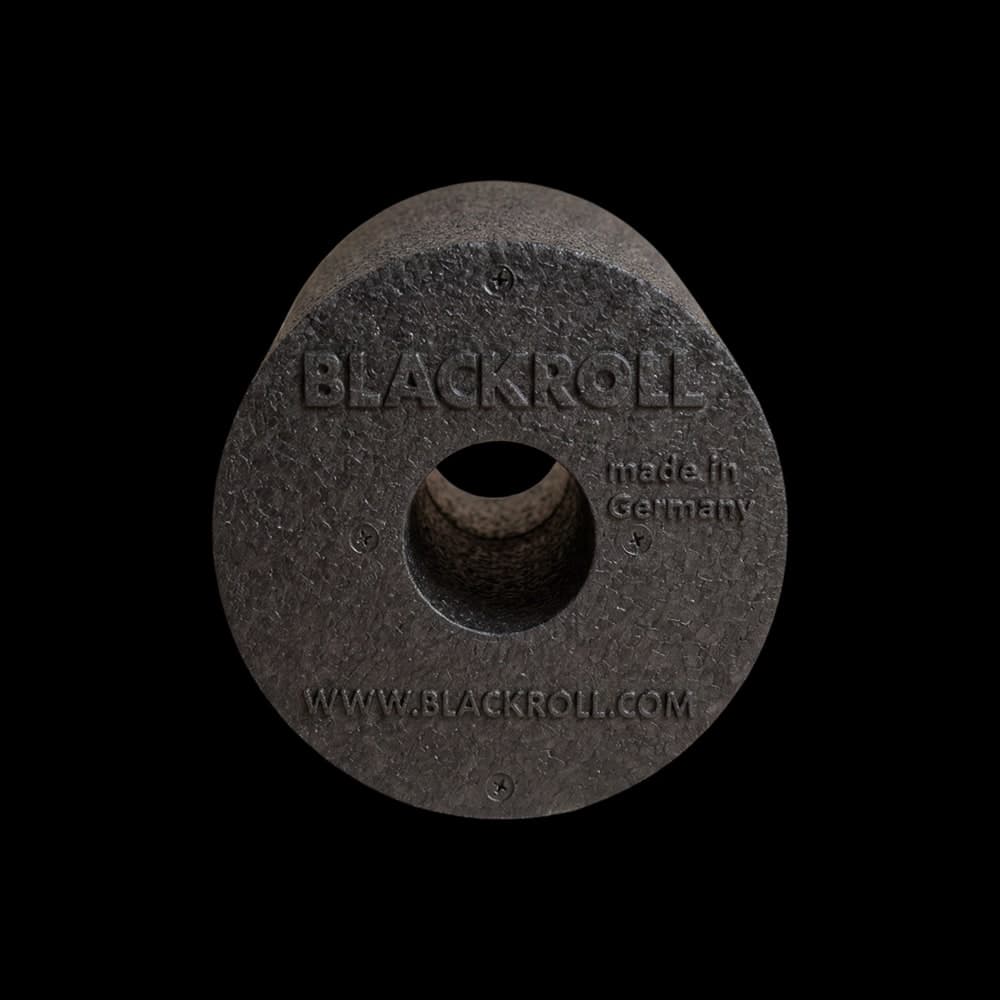
8.2 Kitletics Score
BLACKROLL BLACKROLL STANDARD
Why it illustrates the category: Low-tech routine tool with broad muscle coverage.
Best for
- · Home habits
Trade-off
Takes time and space.
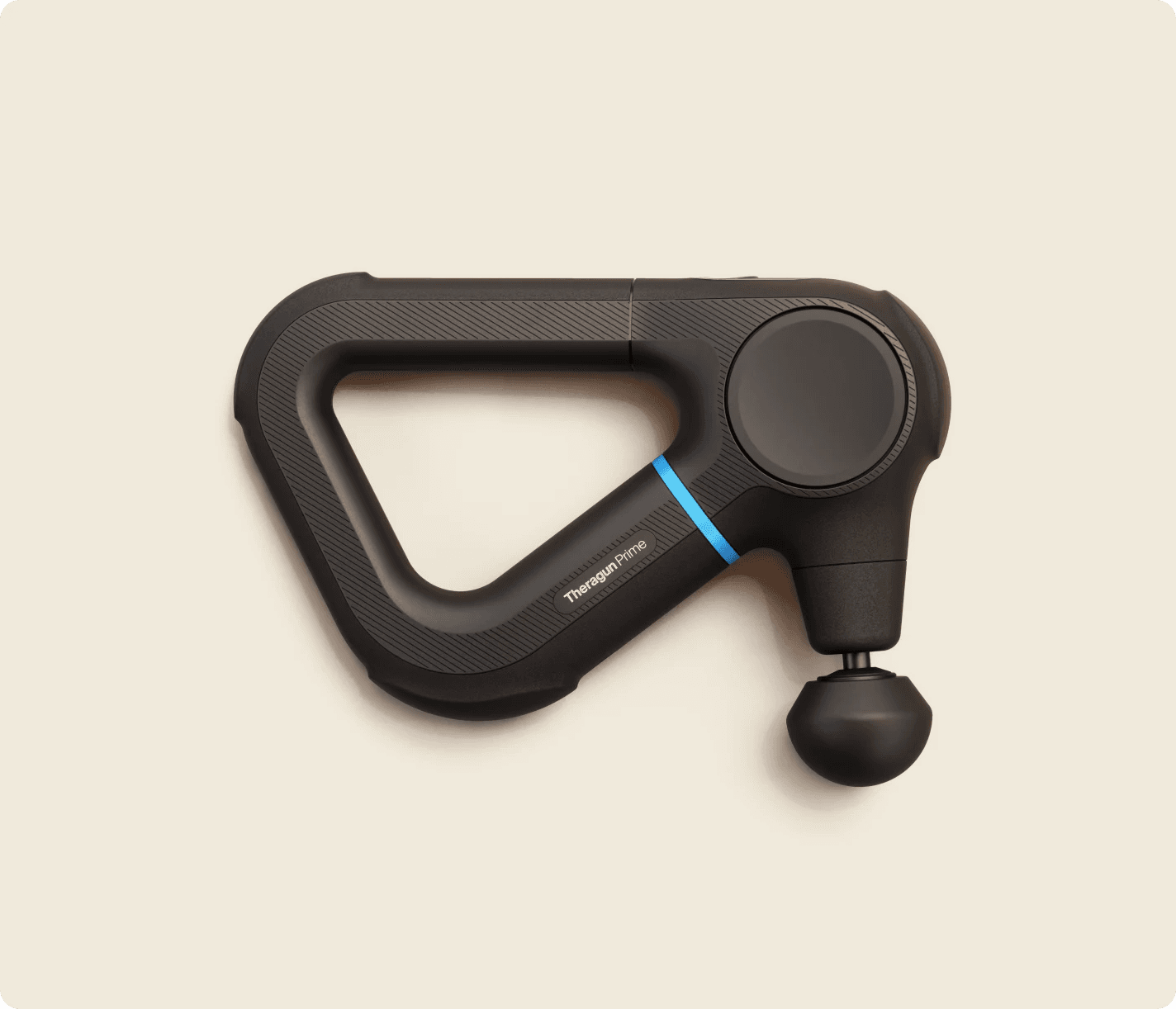
View product →From € 30Percussion gun
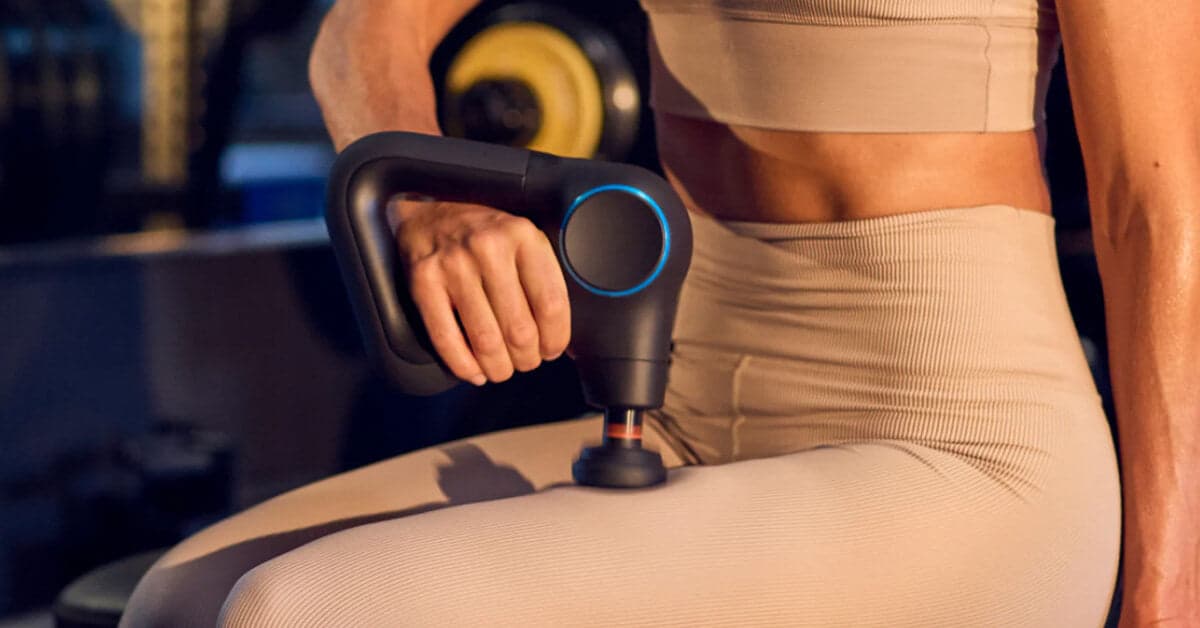
7.8 Kitletics Score
Therabody Theragun mini
Why it illustrates the category: Targeted sessions with higher price and noise trade-offs.
Best for
- · Travel
- · Local spots
Trade-off
Easy to overuse aggressively.
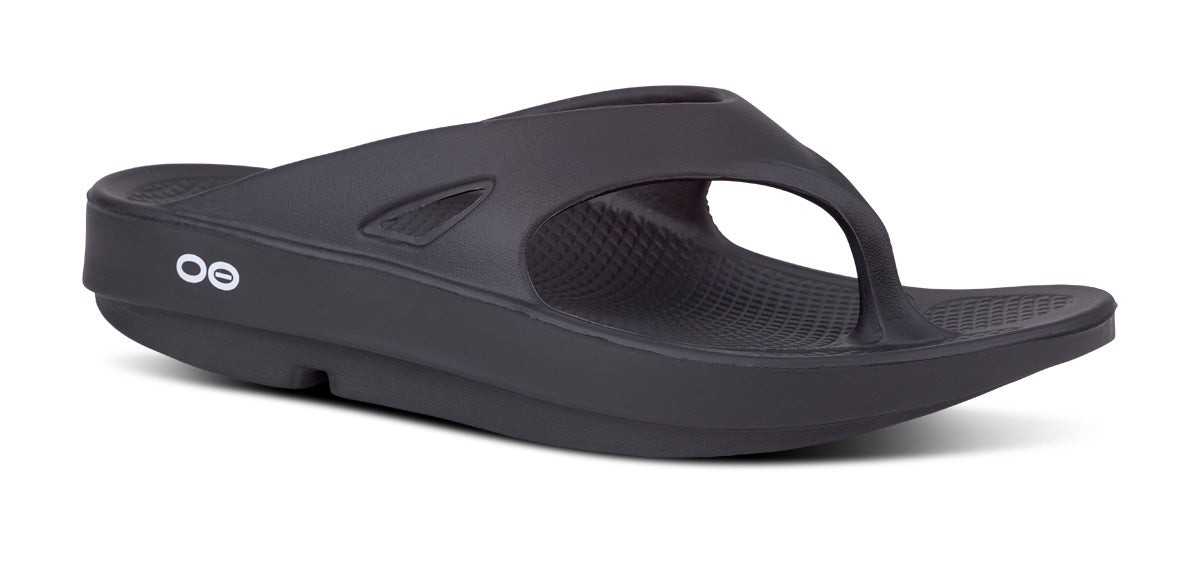
Read review →From € 199Recovery sandal
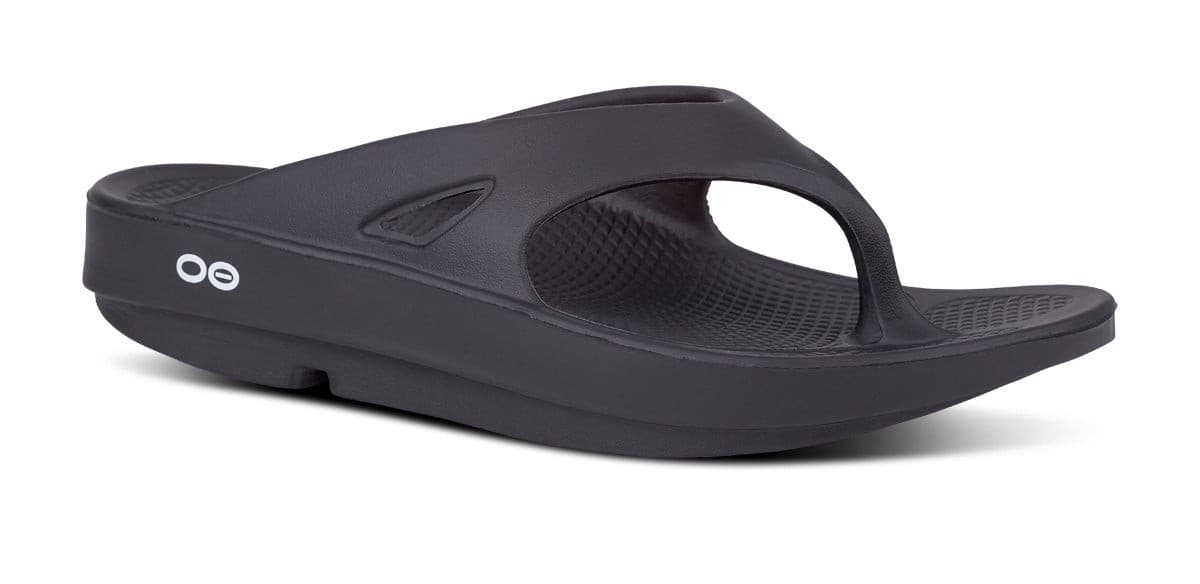
7.7 Kitletics Score
OOFOS OOriginal
Why it illustrates the category: Passive comfort after long standing days.
Best for
- · Race weekends
Trade-off
Comfort ≠ proven performance effect.
Read review →From € 60
9How current options differ
| Product | Support approach | Cushion | Drop | Widths | Best use | Key trade-off |
|---|---|---|---|---|---|---|
| — | — | — | — | Roller | Basic vs percussion devices | |
| — | — | — | — | Percussion | Less power than full-size guns | |
| — | high | — | — | Sandal | Not a running shoe |
10How to decide
- 1
Claim vs comfort
What the brand promises versus how it feels. Big claims need bigger scepticism. You will notice: Whether you buy comfort or hype.
- 2
Adherence
Likelihood you will use it weekly. Unused tools recover nothing. You will notice: A short routine that sticks.
- 3
Training load context
Easy days and sleep around hard sessions. Gadgets cannot offset chronic overload. You will notice: Better weeks when load is sane.
- 4
Budget honesty
Cost versus a simpler tool that gets used. Premium toys often sit unused. You will notice: Money spent on the routine you keep.
11Common mistakes
Buying miracle claims
Pay for comfort and adherence — not unverifiable physiology marketing.
Skipping sleep for gadget time
An extra hour of sleep usually beats an extra device session.
Pushing through worsening pain
Tools should not replace clinical assessment.
12Frequently asked questions
- What is the quick takeaway on this topic?
- Sleep, nutrition and easy days drive recovery more than gadgets. Many tools help comfort and routine — that can still be worth buying.
- How should I weigh claim vs comfort?
- What the brand promises versus how it feels. Big claims need bigger scepticism. In practice: Whether you buy comfort or hype.
- What mistake should I avoid?
- Buying miracle claims: Pay for comfort and adherence — not unverifiable physiology marketing.
- How do product examples help?
- Foam roller illustrates this topic because Low-tech routine tool with broad muscle coverage. Trade-off: Takes time and space.
Recovery tool categories
BLACKROLL
BLACKROLL STANDARD
Roller
8.2 GoodFrom € 30
View product →Therabody
Theragun mini
Percussion
7.8 SolidFrom € 199
View review →OOFOS
OOriginal
Sandal
7.7 SolidFrom € 60
View review →
Head-to-head comparisons
Continue the decision with focused head-to-heads — who should choose which, and the trade-offs that matter.
How we research
Evidence language here is intentionally cautious. Product examples illustrate tool categories from the Kitletics catalog; they are not clinical endorsements.