The short version
- Manufacturer GPS hours assume a usage profile — yours may differ.
- Multi-band GNSS, maps, music and always-on displays shorten runtime.
- Smartwatch days and GPS hours are different jobs — compare the mode you will use.
- Cold weather and backlight habits move numbers further.
- Size the watch for your longest unsupported event, not the best-case brochure.
Approaches in this guide
1What battery claims usually mean
Running watches publish separate figures for smartwatch wear and continuous GPS activity. Those numbers are not interchangeable.
Activity battery depends on GNSS configuration, screen behaviour, connected sensors, music storage and temperature. Turning features on changes the clock.
Treat published hours as a ceiling for a defined profile. Plan with margin for the longest event you care about.
2Why this decision matters
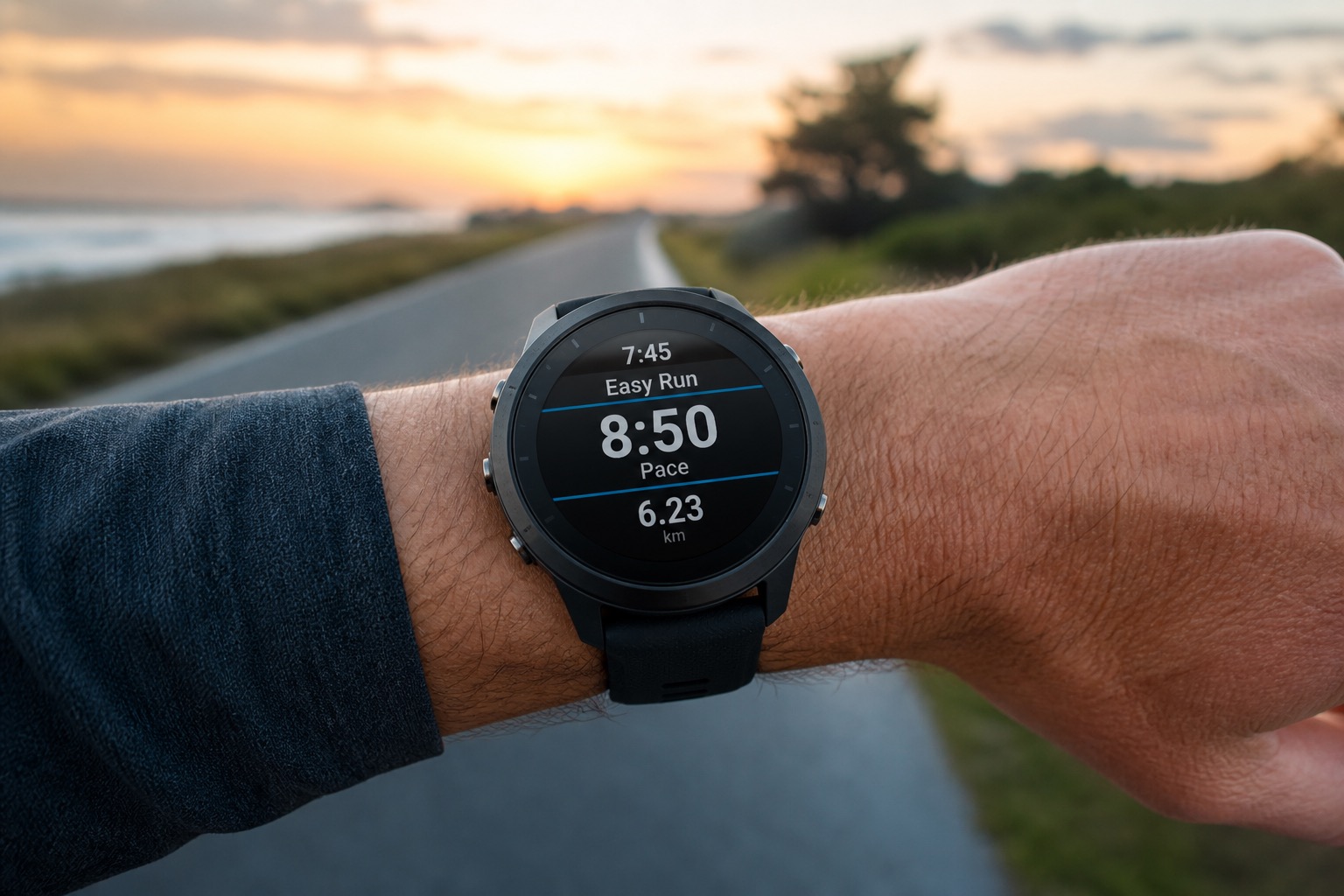
How GNSS mode, maps, music and always-on displays change real-world battery — beyond the marketing headline.
Extra watch modes are clutter if you never open them. Battery, GPS reliability and controls for your longest or hardest sessions should beat lifestyle feature lists.
Phone in hand / pocket
Fine for a post-run log. Awkward for live pace, wet weather and long GPS sessions shared with calls and music.
Wrist GPS watch
Glanceable fields, workout controls and continuous GPS without digging for a phone mid-interval.
3What drains GPS battery
 Open sky
Clear sky view — standard GNSS is often enough for clean tracks and pace.
 Urban canyon
Tall buildings reflect and block signals — multi-band GNSS can help, at a battery cost.
 Dense forest
Tree canopy restricts sky view. Harder reception is where multi-band earns its keep.
GNSS mode
- What it is
- Single-band vs multi-band / all-systems tracking.
- How it changes the choice
- More constellations and frequencies raise power draw for cleaner tracks.
- What you may notice
- Better urban/trail traces at the cost of hours.
Display behaviour
- What it is
- AMOLED brightness, always-on and gesture wake.
- How it changes the choice
- Bright always-on faces consume far more than dim gesture screens.
- What you may notice
- Shorter GPS days when the face never sleeps.
Maps, music and sensors
- What it is
- Offline maps, onboard audio and external HR straps.
- How it changes the choice
- Radio, storage access and Bluetooth all add load.
- What you may notice
- Ultra-day plans need conservative settings or a bigger battery class.
4What to look for in each factor
Confirm battery, sensing method and controls against the sessions you log most — a feature you never open is dead weight on the wrist.
Look for
GNSS mode
- Single-band vs multi-band / all-systems tracking.
- Watch for: Better urban/trail traces at the cost of hours.
- Decision tip: More constellations and frequencies raise power draw for cleaner tracks.
Look for
Display behaviour
- AMOLED brightness, always-on and gesture wake.
- Watch for: Shorter GPS days when the face never sleeps.
- Decision tip: Bright always-on faces consume far more than dim gesture screens.
Look for
Maps, music and sensors
- Offline maps, onboard audio and external HR straps.
- Watch for: Ultra-day plans need conservative settings or a bigger battery class.
- Decision tip: Radio, storage access and Bluetooth all add load.
5Compare approaches at a glance
AMOLED
Bright, high-contrast screen. Great indoors and for rich graphics; brightness and always-on drain battery faster.
MIP (memory-in-pixel)
Reflective display that stays readable in bright sun with low power. Less “phone-like”, often paired with buttons.
| Lean GPS endurance | Feature-dense AMOLED | Ultra-battery MIP | |
|---|---|---|---|
| Best for | Ultras, Minimal chrome | Maps users, Training metrics | Multi-day ultras, Adventure weeks |
| Main trade-off | Fewer lifestyle features than flagship Forerunners. | Settings matter more if you race long unsupported days. | MIP looks less vivid indoors than AMOLED flagships. |
Examples illustrate approaches — not a universal ranking.
Look for
Lean GPS endurance
- Best for: Ultras, Minimal chrome
- Main trade-off: Fewer lifestyle features than flagship Forerunners.
Look for
Feature-dense AMOLED
- Best for: Maps users, Training metrics
- Main trade-off: Settings matter more if you race long unsupported days.
6What you gain and give up
Breadcrumb route
Follow a planned line and turn prompts. Fine on known roads; weak when trails fork with no surrounding map.
Full offline maps
Surrounding cartography helps at junctions and when you leave the planned track. Confirm offline maps and route import before you buy.
What you may gain
- · Lean GPS endurance: useful when Ultras
- · Feature-dense AMOLED: useful when Maps users
- · Ultra-battery MIP: useful when Multi-day ultras
What you may give up
- · Fewer lifestyle features than flagship Forerunners.
- · Settings matter more if you race long unsupported days.
- · MIP looks less vivid indoors than AMOLED flagships.
Trade-offs are model- and runner-dependent — verify fit and use case.
7Next step after you shortlist
Run your usual routes and one longer session with music/maps/fields configured as you would race. Check battery drain and button usability with wet hands or gloves if relevant.
If you never opened the expensive extras, buy the simpler watch that nails GPS and battery.
8Battery personality examples
Illustrative — verify current manufacturer claims before buying.
Lean GPS endurance
8.6 Kitletics Score
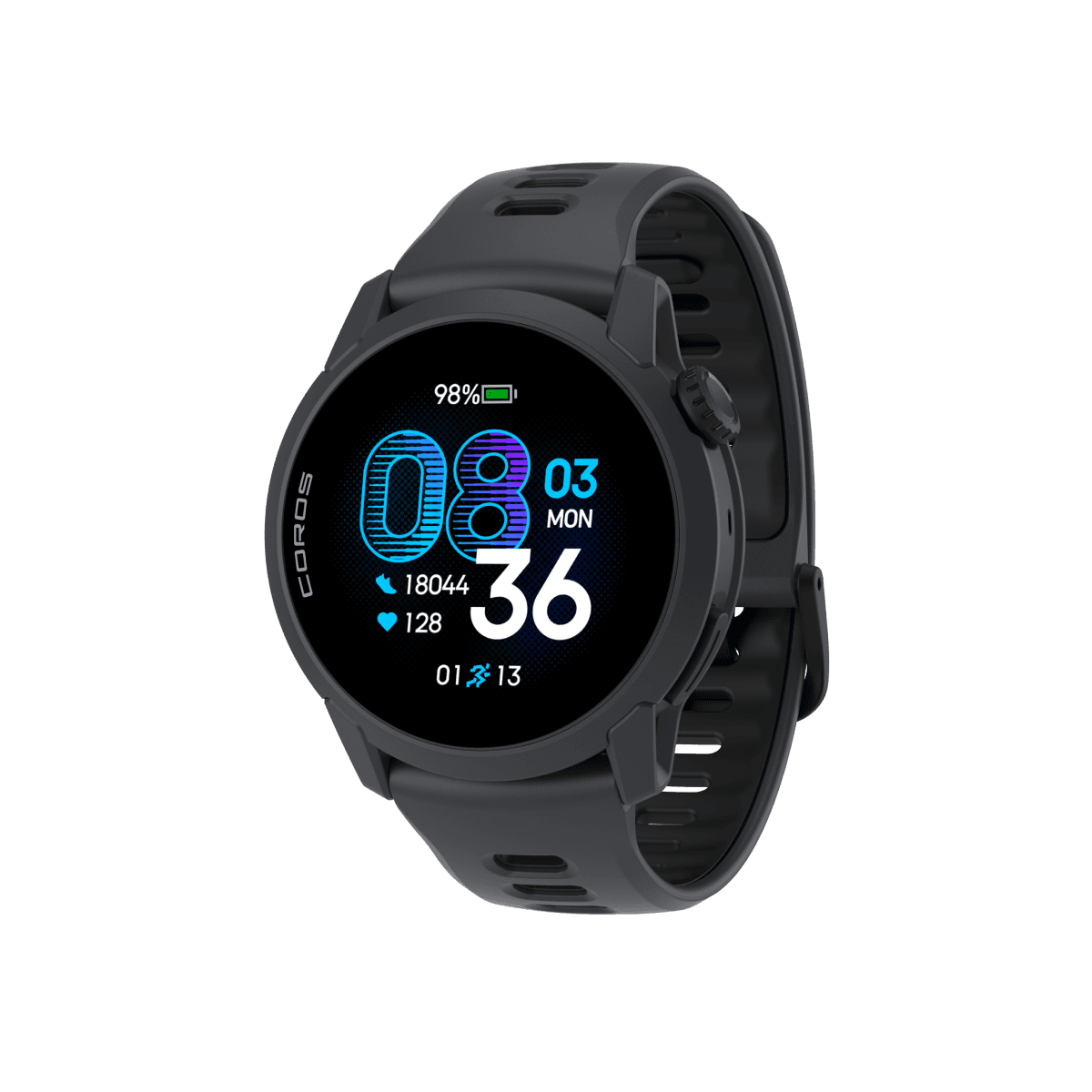
COROS Pace 4
Why it illustrates the category: Shows a light watch tuned for long stated GPS hours.
Best for
- · Ultras
- · Minimal chrome
- · Battery-first buyers
Trade-off
Fewer lifestyle features than flagship Forerunners.
Read review →From € 249Feature-dense AMOLED
9.1 Kitletics Score
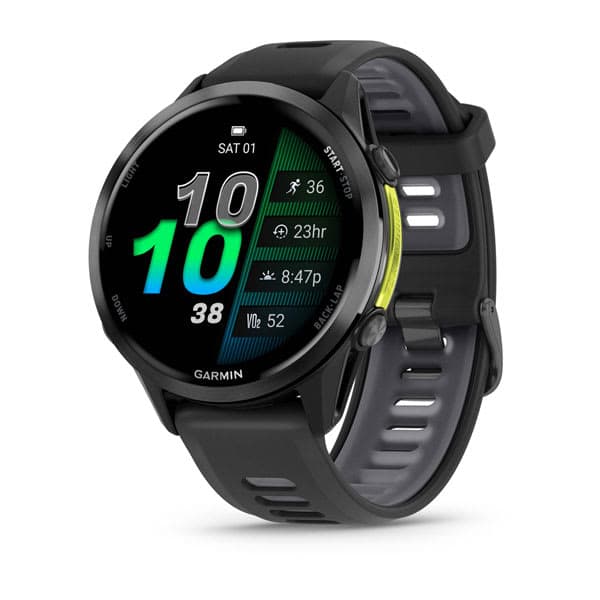
Garmin Forerunner 970
Why it illustrates the category: Shows how maps and bright displays trade against raw GPS hours.
Best for
- · Maps users
- · Training metrics
- · Daily AMOLED wear
Trade-off
Settings matter more if you race long unsupported days.
Read review →From € 689Ultra-battery MIP
8.8 Kitletics Score
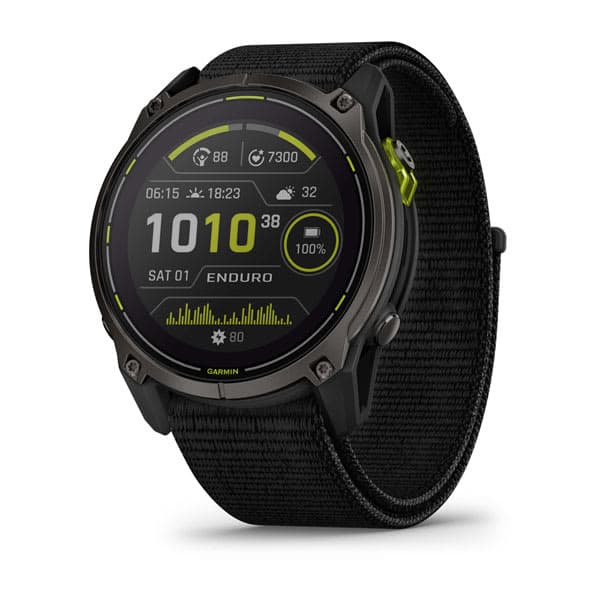
Garmin Enduro 3
Why it illustrates the category: Represents the extreme multi-day GPS class.
Best for
- · Multi-day ultras
- · Adventure weeks
- · Solar-assisted profiles
Trade-off
MIP looks less vivid indoors than AMOLED flagships.
Read review →From € 899
9How current options differ
| Product | Support approach | Cushion | Drop | Widths | Best use | Key trade-off |
|---|---|---|---|---|---|---|
| — | — | — | — | Lean GPS endurance | No full offline maps (step up to Apex 4 / Pace Pro) | |
| — | — | — | — | Feature-dense AMOLED | Premium price | |
| — | — | — | — | Ultra-battery MIP | MIP is less vivid indoors than AMOLED flagships |
10How to decide
- 1
GNSS mode
Single-band vs multi-band / all-systems tracking. More constellations and frequencies raise power draw for cleaner tracks. You will notice: Better urban/trail traces at the cost of hours.
- 2
Display behaviour
AMOLED brightness, always-on and gesture wake. Bright always-on faces consume far more than dim gesture screens. You will notice: Shorter GPS days when the face never sleeps.
- 3
Maps, music and sensors
Offline maps, onboard audio and external HR straps. Radio, storage access and Bluetooth all add load. You will notice: Ultra-day plans need conservative settings or a bigger battery class.
11Common mistakes
Buying on the best-case number only
Match your GNSS, maps and display habits to the claim profile.
Discovering drain on race week
Rehearse race settings on a long training day first.
Buying features you will not use
Extra modes and marketing claims only help when they change a real session outcome.
Skipping a training test
Race-week surprises usually come from untested fuel, fit or battery profiles.
Forcing one product to do every job
Specialist tools exist because weekly volume and intensity ask for different compromises.
12Frequently asked questions
- What is the quick takeaway on this topic?
- Manufacturer GPS hours assume a usage profile — yours may differ. Multi-band GNSS, maps, music and always-on displays shorten runtime.
- How should I weigh gnss mode?
- Single-band vs multi-band / all-systems tracking. More constellations and frequencies raise power draw for cleaner tracks. In practice: Better urban/trail traces at the cost of hours.
- What mistake should I avoid?
- Buying on the best-case number only: Match your GNSS, maps and display habits to the claim profile.
- How do product examples help?
- Lean GPS endurance illustrates this topic because Shows a light watch tuned for long stated GPS hours. Trade-off: Fewer lifestyle features than flagship Forerunners.
Compare battery personalities
COROS
Pace 4
Lean GPS endurance
8.6 Very GoodFrom € 249
View review →Garmin
Forerunner 970
Feature-dense AMOLED
9.1 ExcellentFrom € 689
View review →Garmin
Enduro 3
Ultra-battery MIP
8.8 Very GoodFrom € 899
View review →
Head-to-head comparisons
Continue the decision with focused head-to-heads — who should choose which, and the trade-offs that matter.
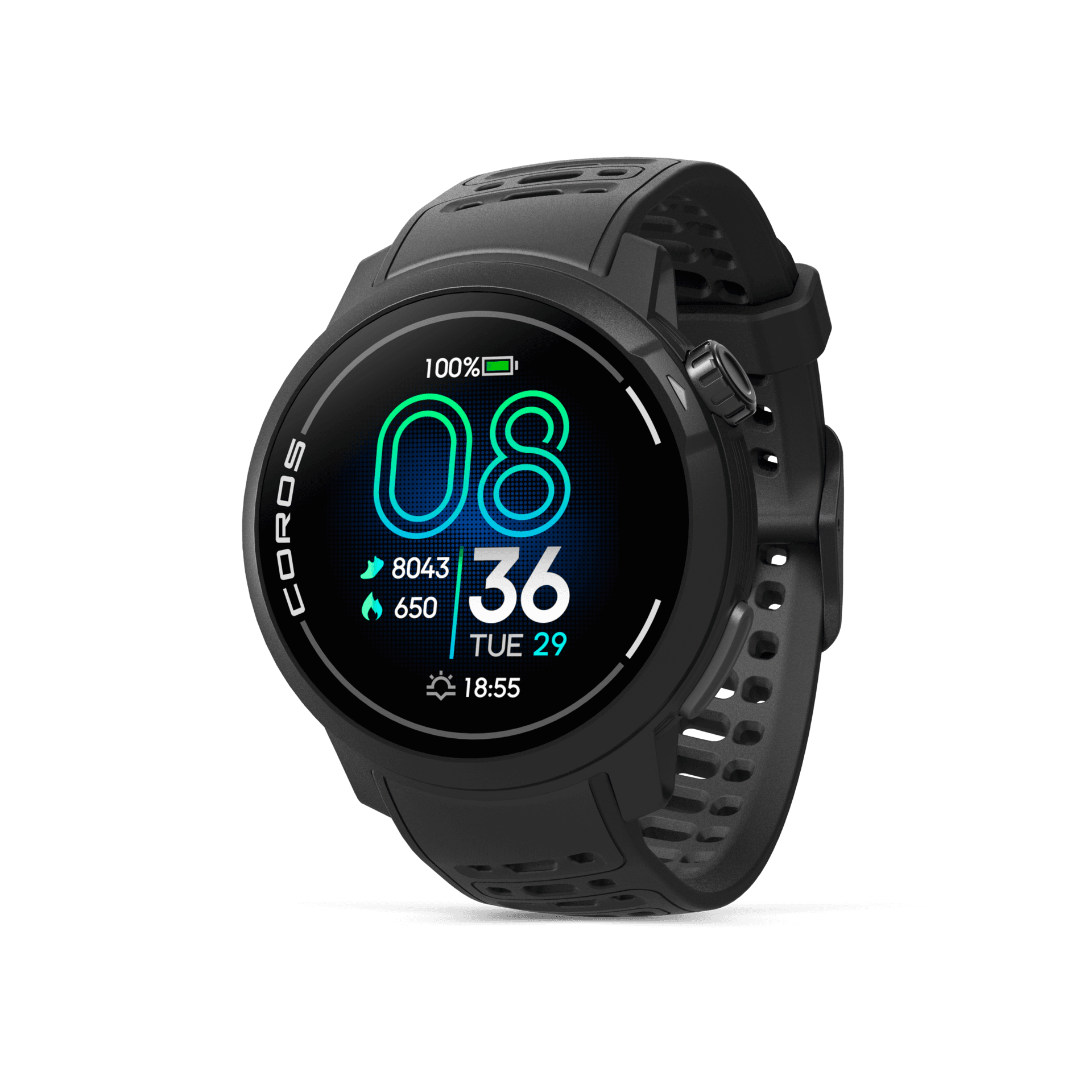
Forerunner 970vsPace Pro
AMOLED mapping running watches — ecosystem vs weight/value.
Compare →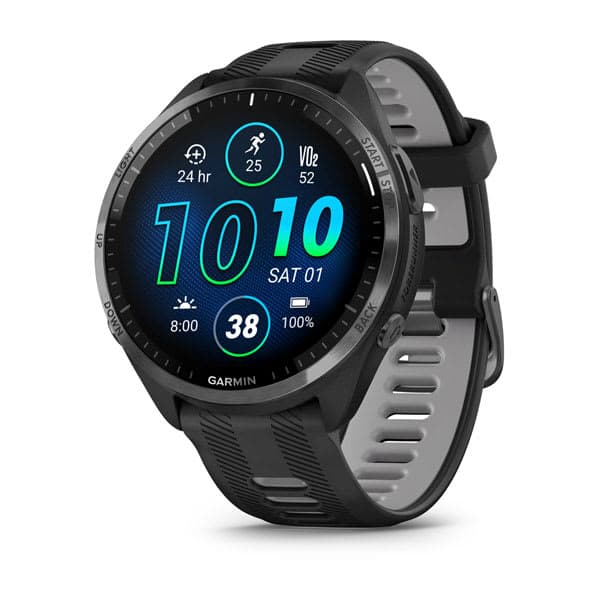
Forerunner 970vsForerunner 965
Current vs previous flagship Forerunner generation.
Compare →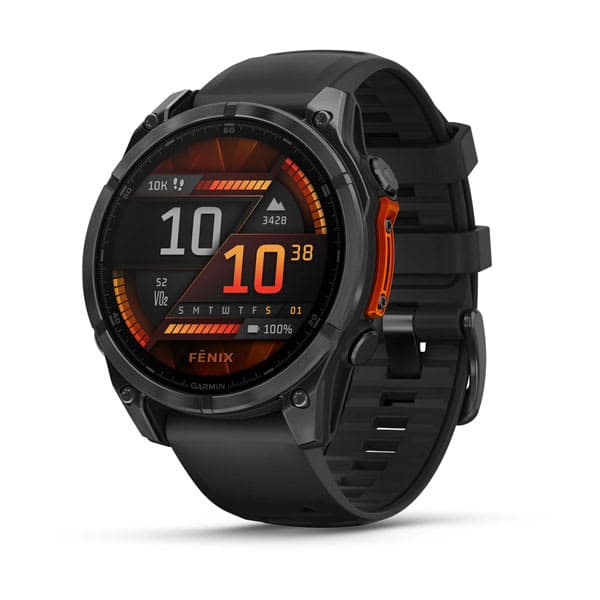
Fenix 8 AMOLED 47mmvsForerunner 970
Adventure multisport flagship vs runner-first Forerunner flagship.
Compare →How we research
This guide combines manufacturer specifications, catalog product data and independent specialist coverage. Product examples render from live catalog data and illustrate approaches — not medical or ranking claims.