The short version
- One versatile daily trainer is a complete rotation when it covers your actual training.
- A useful two-shoe setup usually separates daily/easy mileage from faster workouts or racing.
- Add shoes to solve recurring role conflicts, not to reach a target count.
- Rotating spreads wear across pairs but does not automatically lower total cost per kilometre.
- There is no universal 24–48-hour midsole recovery rule for every foam and runner.
A shoe rotation is a training and purchasing framework, not medical care. It cannot diagnose, prevent or treat injury. Seek qualified clinical advice when running is painful.
Approaches in this guide
1What is a running shoe rotation?
A rotation assigns shoes to jobs. It is not a requirement to own more shoes.
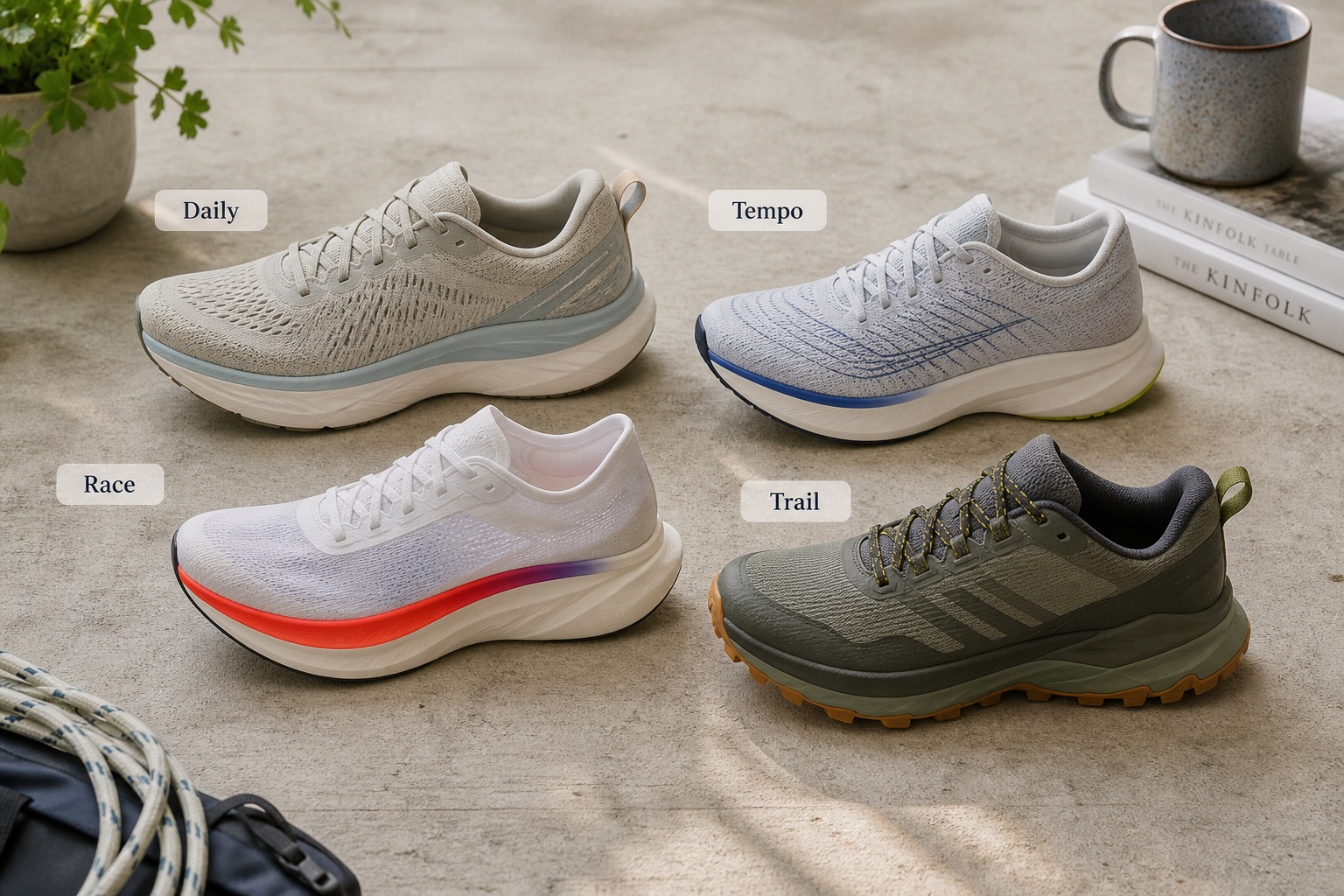
A running shoe rotation is the set of shoes you actively use across a training week. The useful version is role-based: a dependable daily trainer covers ordinary mileage, while another pair may handle faster sessions, long runs, trails or racing.
One versatile shoe is a valid rotation. Add a second pair when one shoe cannot comfortably solve two conflicting jobs — for example, soft easy mileage and sharp intervals. Add a third only when it fills a real gap.
Rotation is about coverage, not collecting. Every pair should have a defined session, fit your current training and receive enough use to justify its cost.
2Why runners rotate shoes
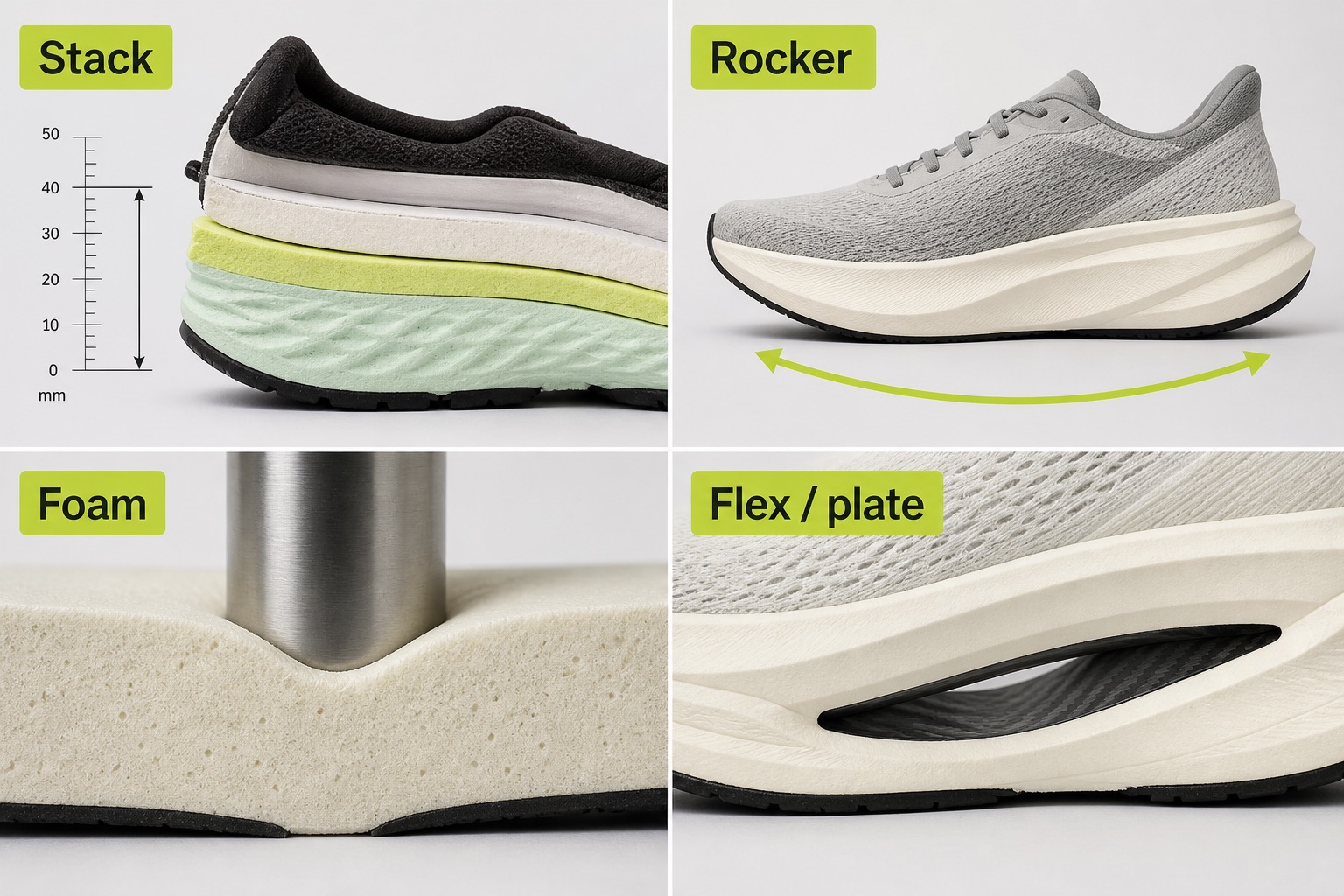
Match the session
- What it is
- Different shoes assigned to easy, fast, long or race roles.
- How it changes the choice
- Lets cushioning, weight and geometry fit the work.
- What you may notice
- Easy shoes feel comfortable; faster shoes feel less compromised.
Spread wear
- What it is
- Mileage divided between two or more pairs.
- How it changes the choice
- Extends calendar time before any single pair reaches its wear limit.
- What you may notice
- Fewer emergency replacements, but not necessarily lower total cost per kilometre.
Cover conditions
- What it is
- Different outsole, upper or terrain capabilities.
- How it changes the choice
- Keeps wet roads, trails or winter sessions from dictating one compromised choice.
- What you may notice
- Better grip or protection when conditions demand it.
Keep a known backup
- What it is
- A second serviceable pair ready when the primary shoe is wet, worn or unavailable.
- How it changes the choice
- Reduces dependence on a single pair.
- What you may notice
- Training can continue without rushing a replacement purchase.
3What to look for in each factor
Use these checks on fit, ride and job match — verify on a short shakeout, not only on a shelf comparison.
Look for
Match the session
- Different shoes assigned to easy, fast, long or race roles.
- Watch for: Easy shoes feel comfortable; faster shoes feel less compromised.
- Decision tip: Lets cushioning, weight and geometry fit the work.
Look for
Spread wear
- Mileage divided between two or more pairs.
- Watch for: Fewer emergency replacements, but not necessarily lower total cost per kilometre.
- Decision tip: Extends calendar time before any single pair reaches its wear limit.
Look for
Cover conditions
- Different outsole, upper or terrain capabilities.
- Watch for: Better grip or protection when conditions demand it.
- Decision tip: Keeps wet roads, trails or winter sessions from dictating one compromised choice.
Look for
Keep a known backup
- A second serviceable pair ready when the primary shoe is wet, worn or unavailable.
- Watch for: Training can continue without rushing a replacement purchase.
- Decision tip: Reduces dependence on a single pair.
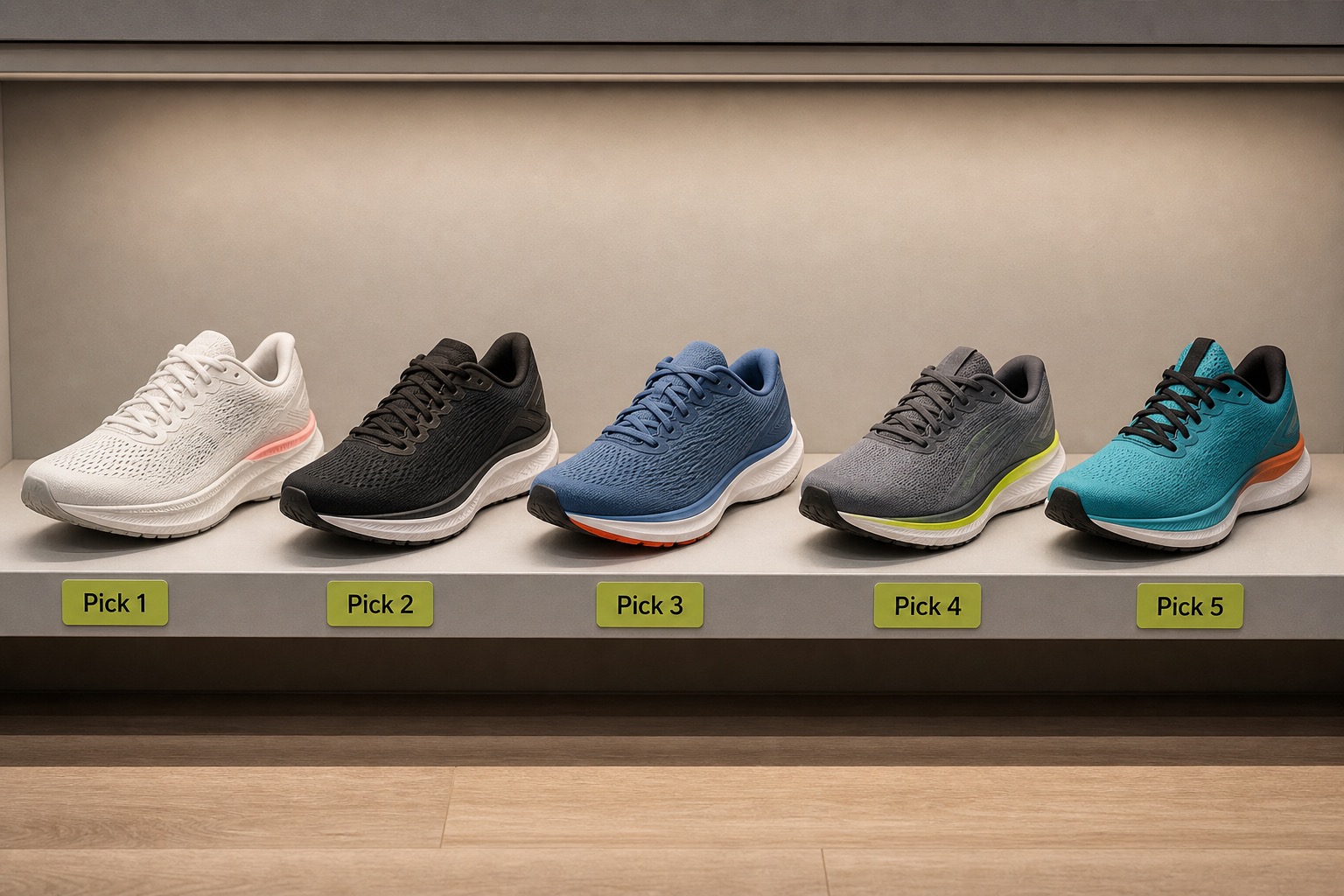
4The main rotation roles
- 1
Daily mileage
The default pair: comfortable, predictable and durable enough for most weekly running.
Explore → - 2
Easy / recovery
Prioritises comfort and protection when pace is not the goal.
- 3
Long run
Fit, sustained comfort and late-run stability matter more as time on feet rises.
Explore → - 4
Tempo / intervals
A lighter, more responsive tool for controlled faster work.
Explore → - 5
Race day
The most specialised role; only necessary when racing goals justify it.
Explore → - 6
Trail / poor conditions
Grip and protection create a genuine role that road shoes may not cover.
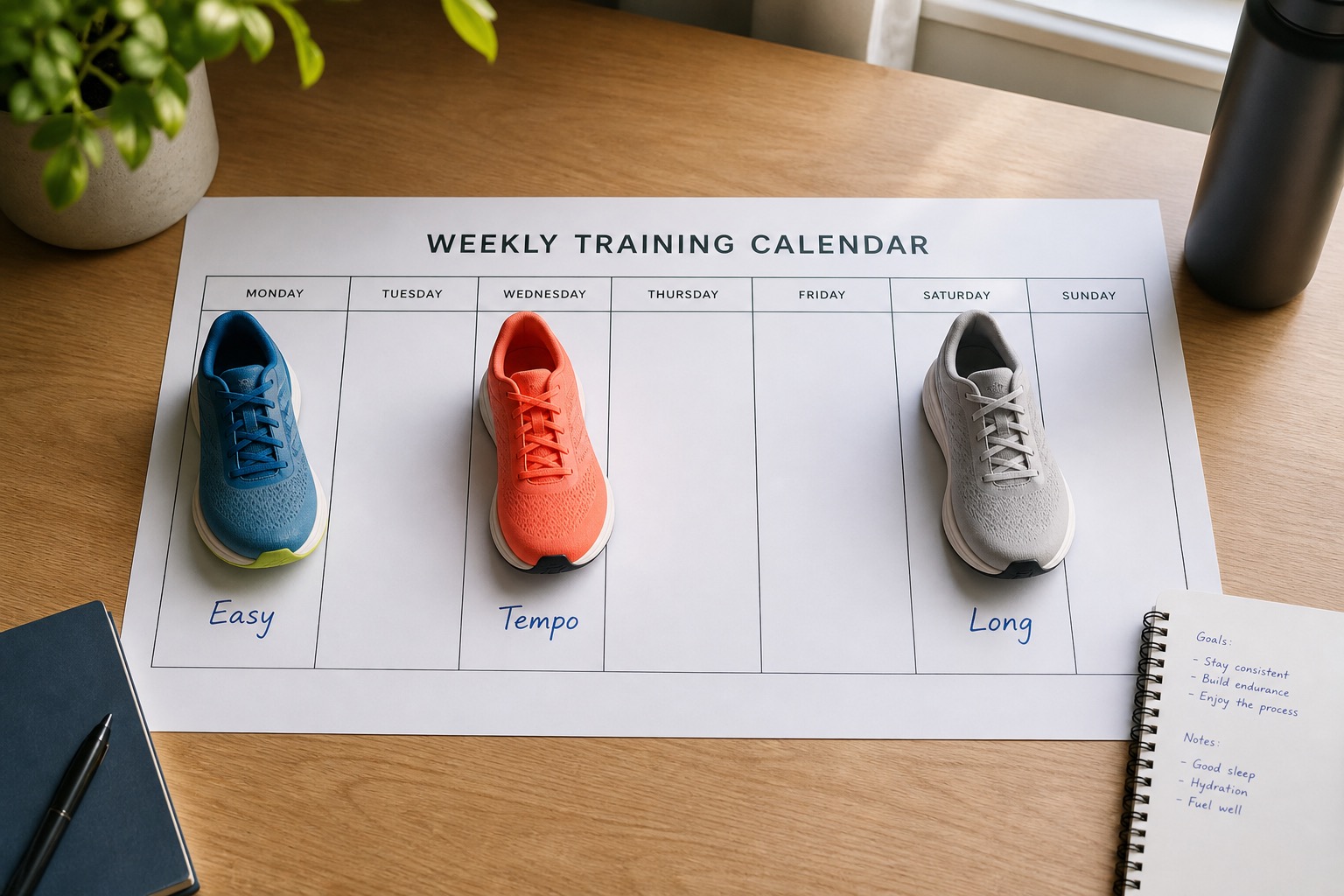
5How many running shoes do you need?
| Setup | Best use | |
|---|---|---|
| 1 shoe | Versatile daily trainer | Simple schedules, new runners, controlled budget |
| 2 shoes | Daily/easy + tempo/race | Most road runners adding weekly faster work |
| 3 shoes | Daily + easy/long + tempo/race | Higher volume or clearly separated session demands |
| 4+ shoes | Role-specific additions | Frequent racing, mixed terrain or strong preferences |
Count is not a performance target. Start with the smallest setup that covers your actual week.
Look for
Setup
- 1 shoe: Versatile daily trainer
- 2 shoes: Daily/easy + tempo/race
- 3 shoes: Daily + easy/long + tempo/race
- 4+ shoes: Role-specific additions
Look for
Best use
- 1 shoe: Simple schedules, new runners, controlled budget
- 2 shoes: Most road runners adding weekly faster work
- 3 shoes: Higher volume or clearly separated session demands
- 4+ shoes: Frequent racing, mixed terrain or strong preferences
6Build the smallest useful rotation
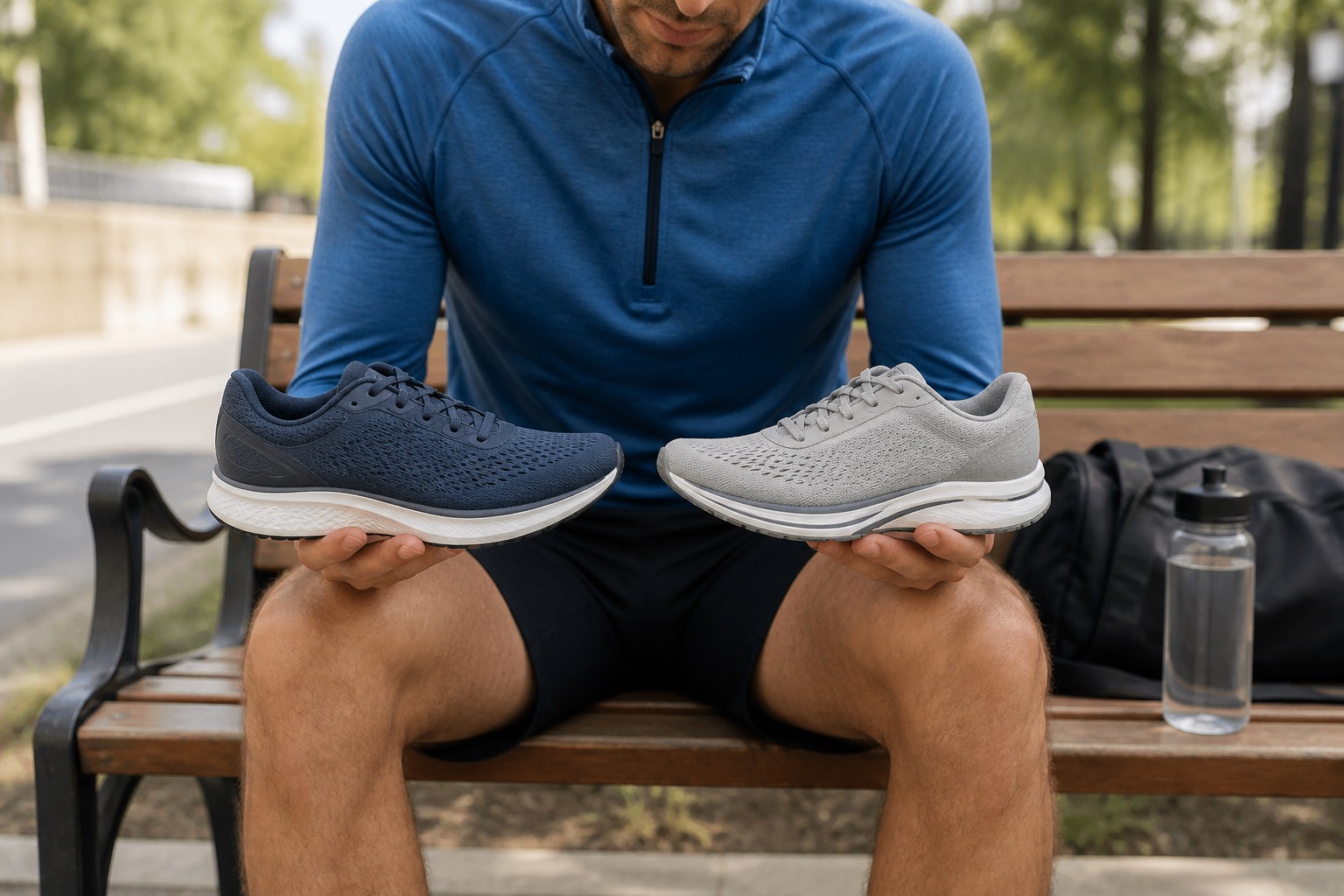
Start from your recurring week, not an aspirational race calendar. List the sessions you completed over the last month. If most runs were easy, buy the daily trainer first.
For two shoes, separate ordinary mileage from faster work: a daily or cushioned trainer plus a tempo shoe. If long-run comfort is the bigger gap, pair the daily with a more protective long-run shoe instead.
For three shoes, avoid redundant pairs. Daily plus easy/long plus tempo/race is clearer than three similar daily trainers. A race shoe can share the speed role until training volume or durability makes a separate tempo shoe worthwhile.
7The honest cost math
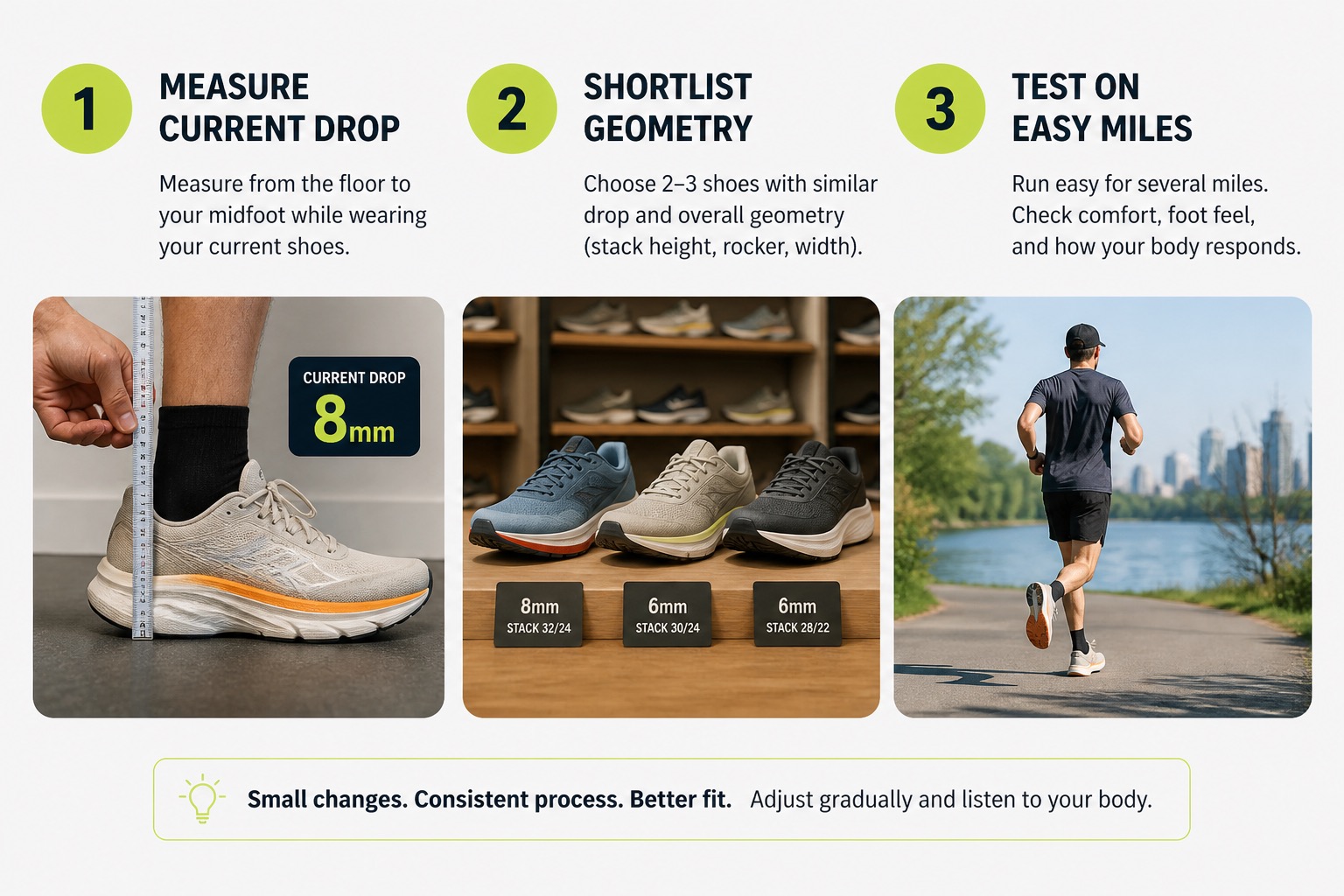
Owning two pairs spreads mileage; it does not make kilometres disappear. If each pair delivers similar usable mileage, buying both generally delays the next purchase in calendar time but does not automatically reduce long-run cost.
A rotation can save money when it keeps premium shoes out of low-value sessions. Using a durable daily trainer for easy miles preserves a high-priced tempo or race shoe for the sessions where its design matters.
Calculate cost per expected use, not just retail price. Include how often the role appears, whether another shoe already covers it and whether you will reach the shoe's useful life before age, preference or training changes retire it.
8Price the rotation by role
| Poor allocation | Better allocation | |
|---|---|---|
| Easy runs | Premium race shoe | Durable daily or cushioned trainer |
| Tempo sessions | Heavy recovery shoe | Responsive tempo trainer |
| Occasional races | Separate shoe for every distance | One proven racer across compatible events |
| Replacement | Buy only after failure | Track wear and shop before the primary pair is finished |
Actual value depends on local price, fit, durability and use. Kitletics does not promise fixed shoe lifespan.
Look for
Poor allocation
- Easy runs: Premium race shoe
- Tempo sessions: Heavy recovery shoe
- Occasional races: Separate shoe for every distance
- Replacement: Buy only after failure
Look for
Better allocation
- Easy runs: Durable daily or cushioned trainer
- Tempo sessions: Responsive tempo trainer
- Occasional races: One proven racer across compatible events
- Replacement: Track wear and shop before the primary pair is finished
9What a rotation improves — and complicates
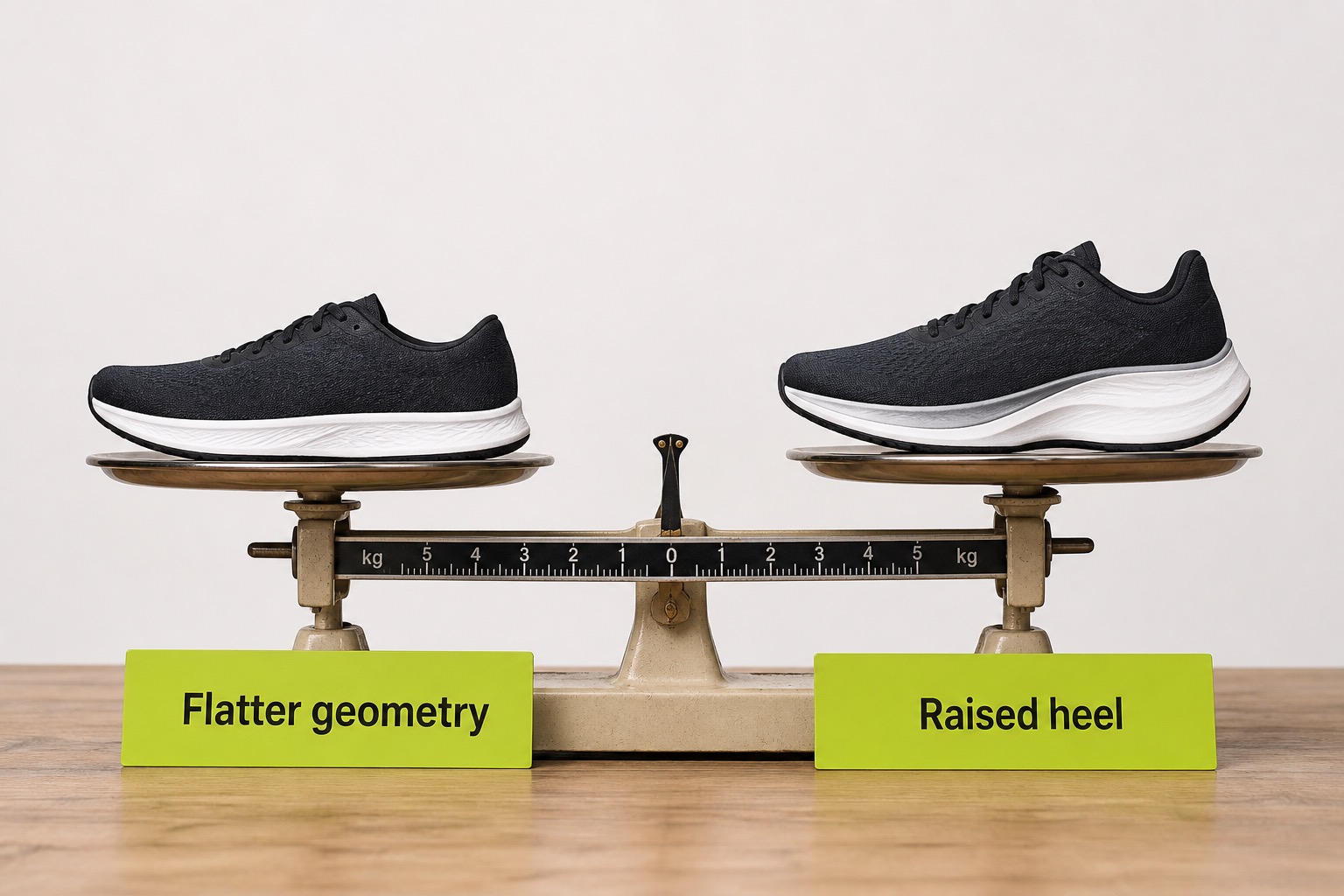
What you may gain
- · Better match between shoe design and session
- · A backup when one pair is wet or worn
- · Less low-value mileage on specialised race shoes
- · Clear options for terrain and weather
What you may give up
- · More cash paid upfront
- · More decisions and mileage to track
- · Risk of buying overlapping shoes
- · Pairs can become outdated or underused before they wear out
A larger rotation is only better when every added shoe solves a recurring problem.
10Build your rotation step by step
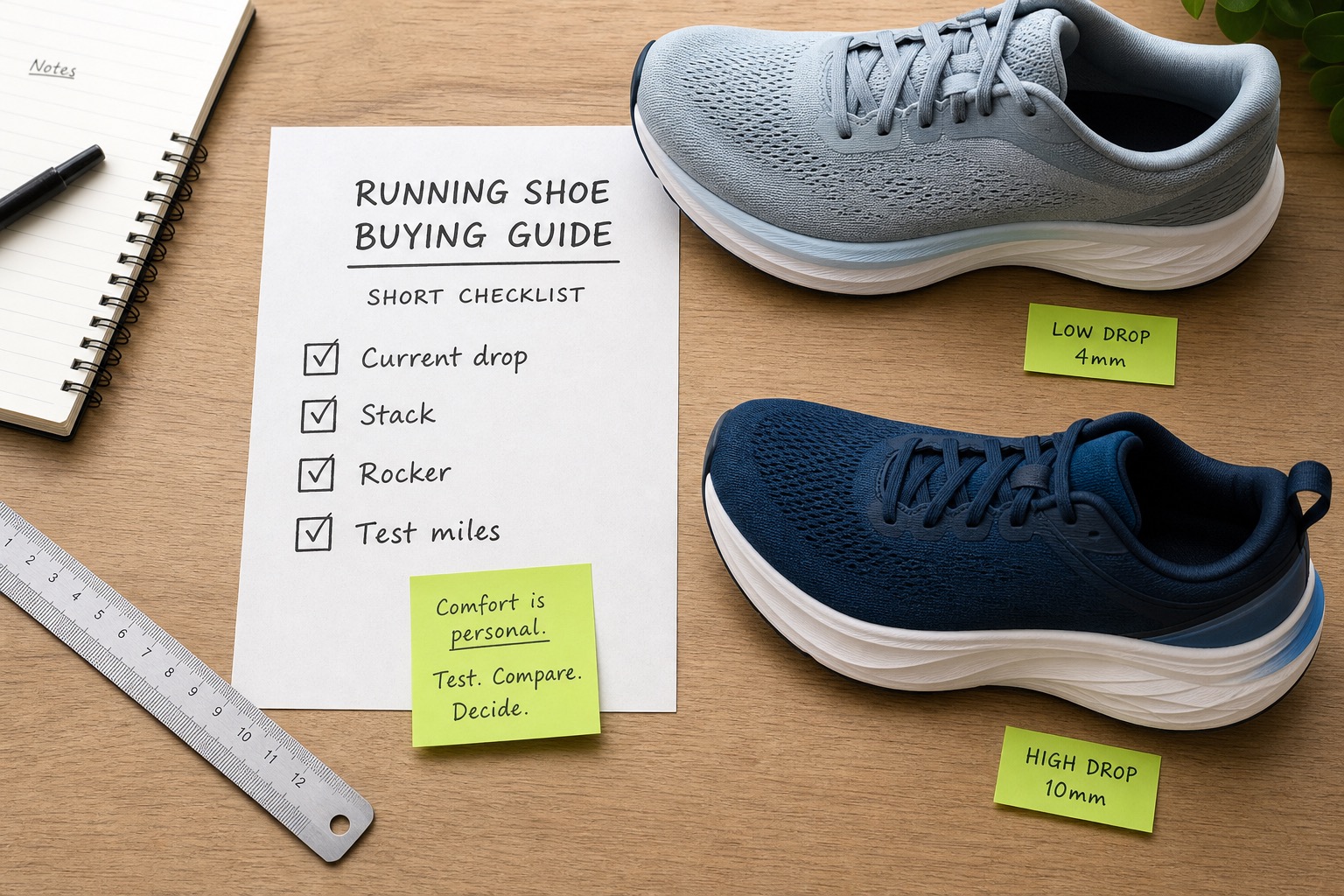
- 1
Audit your real week
Count easy, long, fast, trail and race sessions from recent training.
- 2
Choose the anchor
Start with the comfortable daily trainer that can handle the largest share of mileage.
- 3
Find the largest gap
Is the daily too heavy for speed, too lean for long runs or wrong for terrain?
- 4
Add one complementary shoe
Choose a pair that solves that gap without duplicating the anchor.
- 5
Run the rotation
Track which pair you actually reach for over four to six weeks.
- 6
Add only with evidence
A third pair needs a recurring role the first two genuinely cannot cover.
What does your daily trainer fail to do?
Nothing important
Keep the one-shoe setup and replace it on condition.
Faster workouts
Add a tempo trainer; let it share racing if appropriate.
Long-run comfort
Add a protective long-run or max-cushion option.
Trails / weather
Add the outsole and upper required for those conditions.
11A practical four-role example
These products demonstrate roles, not a prescription to own all four. Start with the minimum that fits your week.
Dependable daily anchor
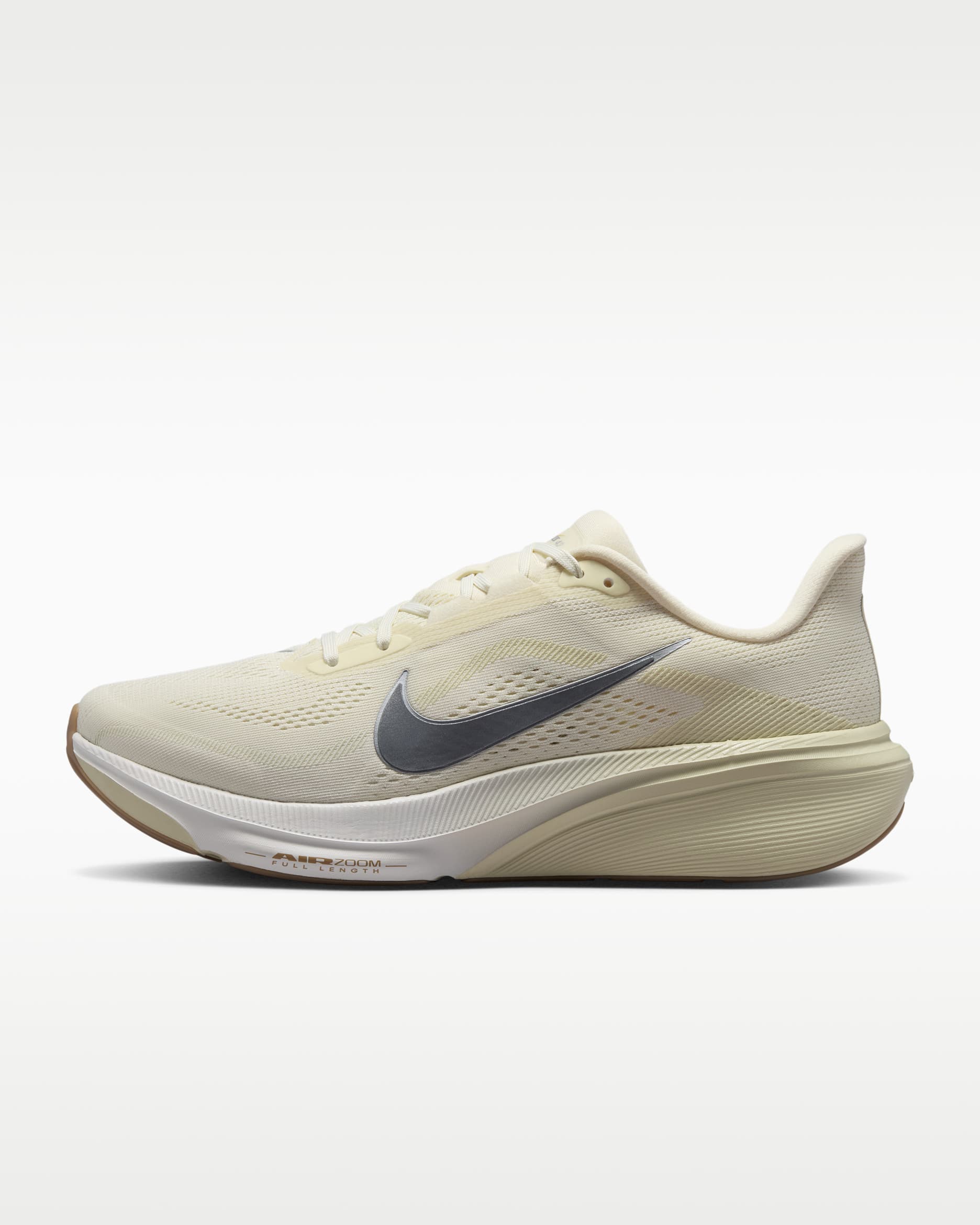
8.5 Kitletics Score
Nike Pegasus 42
Why it illustrates the category: A conventional daily-training role for regular road mileage and broad weekly use.
Best for
- · Daily miles
- · Easy runs
- · Simple one-shoe setups
Trade-off
Less specialised for maximum cushion or race-day speed.
Read review →From € 135Easy / recovery specialist
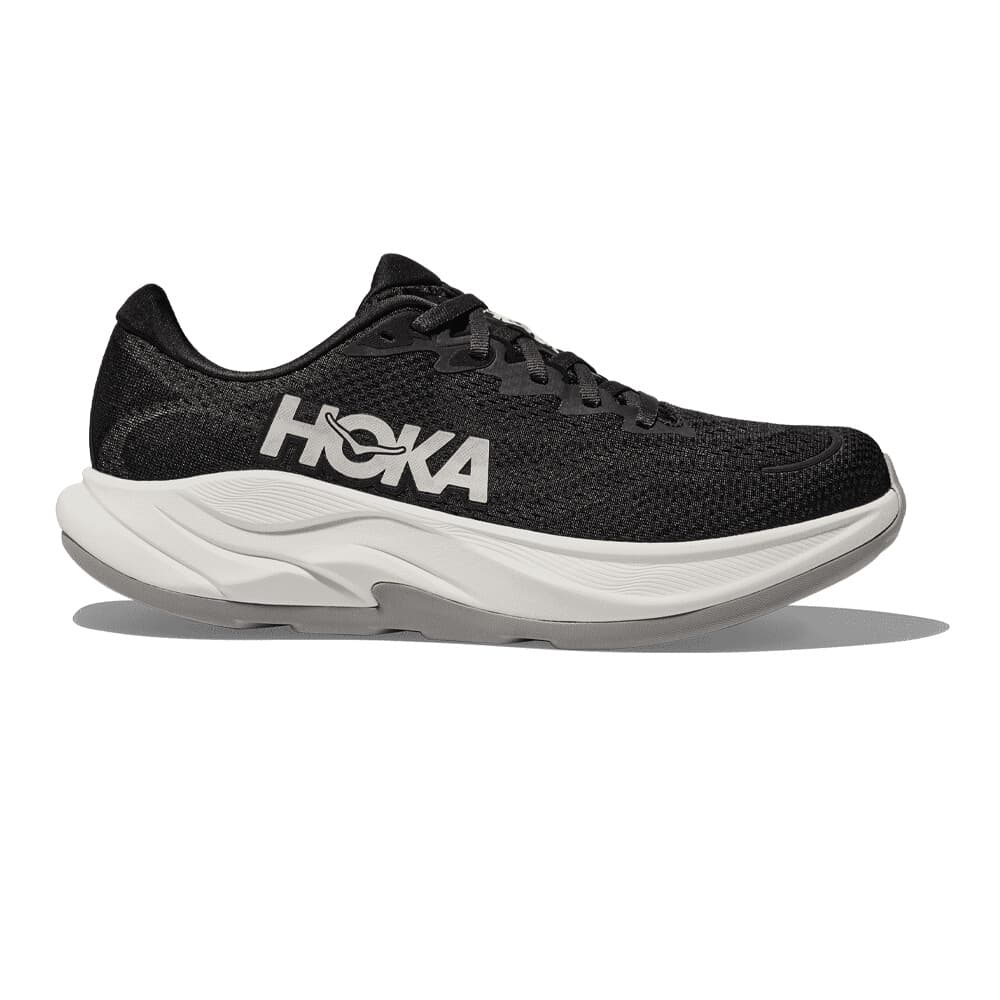
8.5 Kitletics Score
HOKA Bondi 9
Why it illustrates the category: Shows how a protective max-cushion shoe can separate easy volume from faster work.
Best for
- · Easy runs
- · Recovery pace
- · Runners prioritising cushioning
Trade-off
Added weight and bulk make it a poor speed-role substitute.
Read review →From € 180Tempo and workout tool
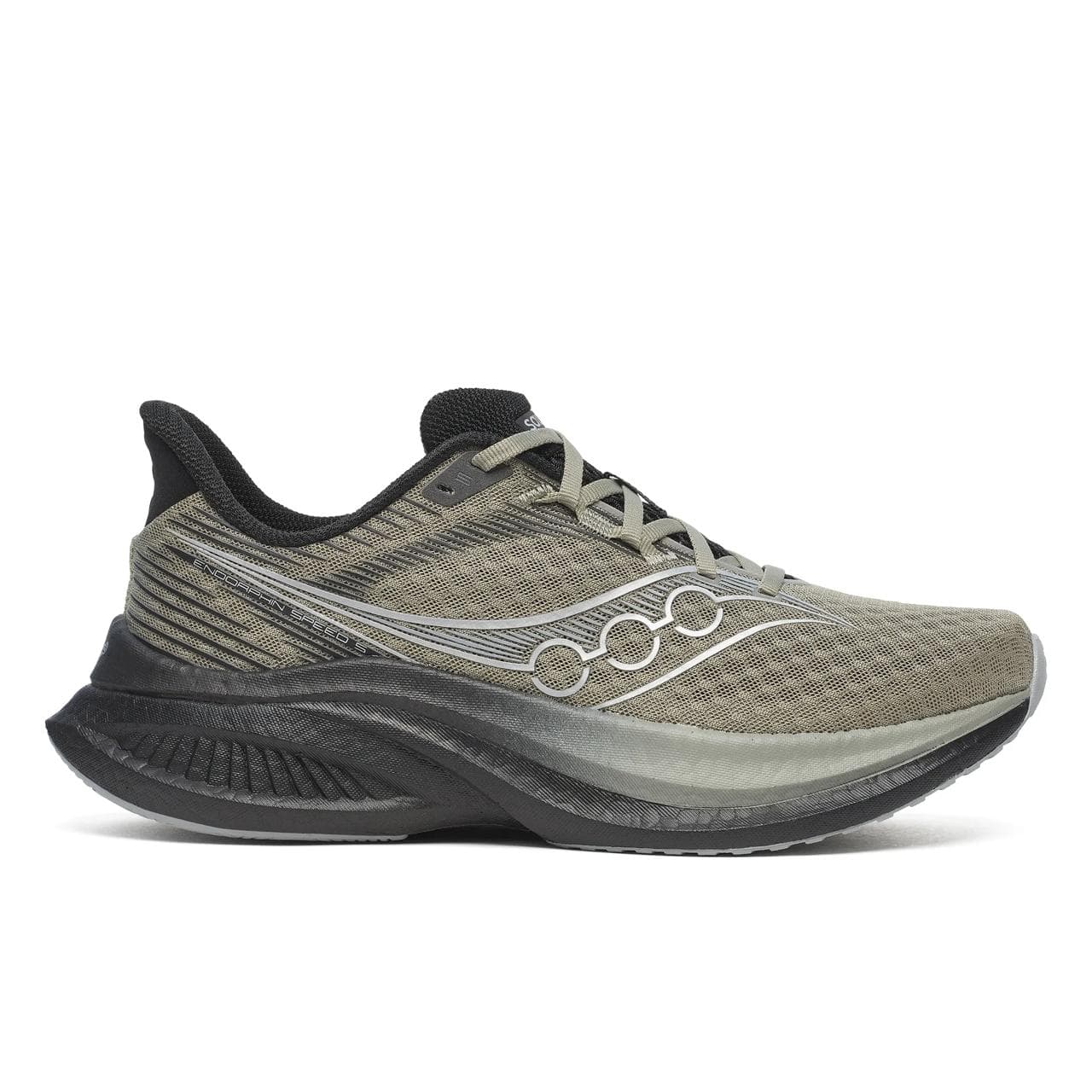
9.1 Kitletics Score
Saucony Endorphin Speed 5
Why it illustrates the category: A nylon-plated faster trainer that complements rather than duplicates a daily shoe.
Best for
- · Tempo
- · Intervals
- · Faster long runs
Trade-off
More specialised and potentially less relaxed for easy mileage.
Read review →From € 170Race-day specialist
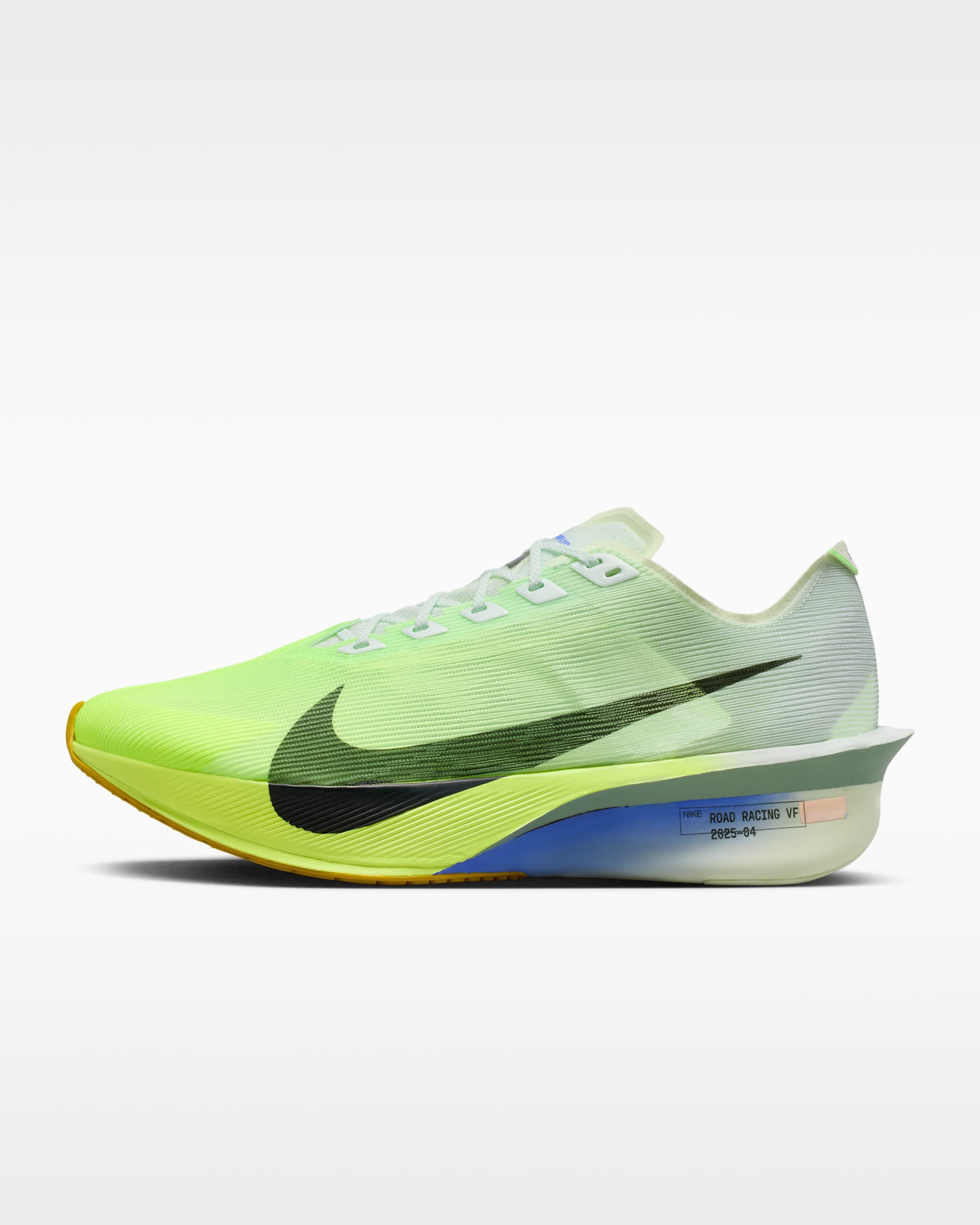
8.9 Kitletics Score
Nike Vaporfly 4
Why it illustrates the category: A carbon racer with a narrow, performance-first role at the top of a developed rotation.
Best for
- · Road racing
- · Race-specific sessions
- · Performance-focused runners
Trade-off
Highest specialisation and weakest value when used indiscriminately.
Read review →From € 245
12Compare rotation roles side by side
| Product | Support approach | Cushion | Drop | Widths | Best use | Key trade-off |
|---|---|---|---|---|---|---|
Nike Pegasus 42 neutral | ReactX + full-length Air Zoom | medium | 10 mm | standard, wide | Daily anchor | Not max cushion |
HOKA Bondi 9 mild-stability | CMEVA | maximum | 5 mm | standard, wide | Easy / recovery | Heavier than Clifton |
Saucony Endorphin Speed 5 neutral | PWRRUN PB | high | 8 mm | standard | Tempo / workout | Overkill for easy recovery jogs |
Nike Vaporfly 4 neutral | ZoomX | high | 8 mm | standard | Race day | Not for easy mileage |
13Common rotation mistakes
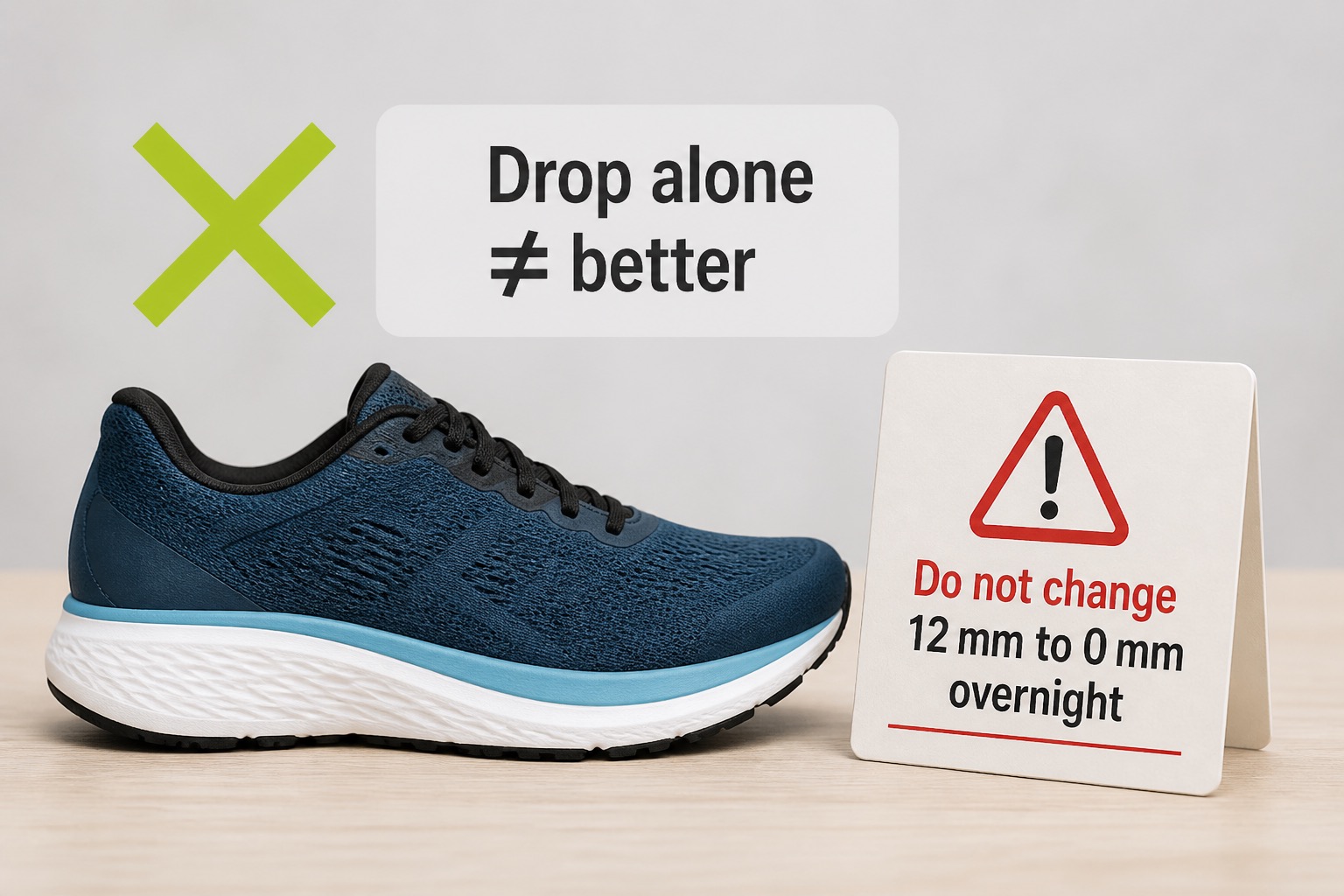
Chasing a shoe count
Two complementary shoes beat four overlapping pairs. Buy roles, not a number.
Using a racer for everything
Premium race shoes add cost and specialised geometry where a daily trainer often works better.
Buying the same ride repeatedly
If two shoes solve the same sessions equally, the second adds little coverage.
Replacing by calendar alone
Inspect outsole, foam feel, upper integrity and comfort; there is no universal expiry date.
Not tracking mileage or condition
Approximate logs and regular inspection make replacement less reactive.
Treating rotation as injury prevention
A rotation does not diagnose or cure pain. Seek qualified assessment for clinical concerns.
14Know when the rotation is complete
Your rotation is complete when every recurring session has a comfortable option and no pair lacks a clear role. It does not need to cover hypothetical events or every pace.
Review when training changes, a shoe is retired or a genuine gap appears. Otherwise, keep running. The best rotation is the one you use, understand and can replace without financial strain.

15Frequently asked questions
- How many pairs of running shoes do I need?
- One reliable daily trainer is enough to start. Runners logging higher mileage often rotate a daily shoe with a faster or more protective option to manage wear and session type.
- Do I need more than one pair of running shoes?
- One reliable daily trainer is enough to start. As mileage or goals grow, a second pair (easy/long vs faster work) can match session demand and spread wear.
- How many shoes should be in a rotation?
- Two to three pairs cover most runners: a daily, a long/easy option if needed, and a faster workout or race shoe. More pairs help high-mileage athletes, not every beginner.
- Does rotating shoes reduce injury risk?
- Evidence is mixed and individual. Rotation can change loading patterns and reduce single-shoe wear. It is not a guaranteed injury prevention plan — Kitletics does not diagnose or treat injuries.
- Should every shoe in my rotation feel the same?
- Usually no. The point is complementary roles — protective easy miles, versatile daily work, and faster sessions — not three identical trainers.
- How do I decide which shoe for which run?
- Match character to the session: plush/protective for easy and long, lively daily for mixed weeks, plated or lighter shoes for workouts and races. The Shoe Rotation Planner can help structure this.
Examples of distinct rotation roles
Browse running shoes →Nike
Pegasus 42
Daily anchor
8.5 Very GoodFrom € 135
View review →HOKA
Bondi 9
Easy / recovery
8.5 Very GoodFrom € 180
View review →Saucony
Endorphin Speed 5
Tempo / workout
9.1 ExcellentFrom € 170
View review →Nike
Vaporfly 4
Race day
8.9 Very GoodFrom € 245
View review →
Head-to-head comparisons
Continue the decision with focused head-to-heads — who should choose which, and the trade-offs that matter.
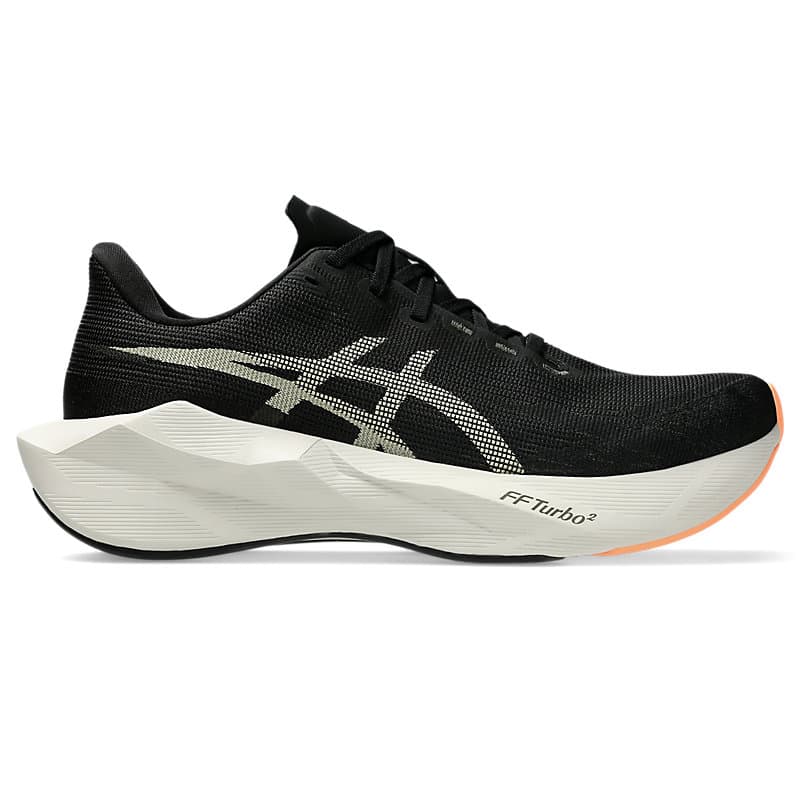
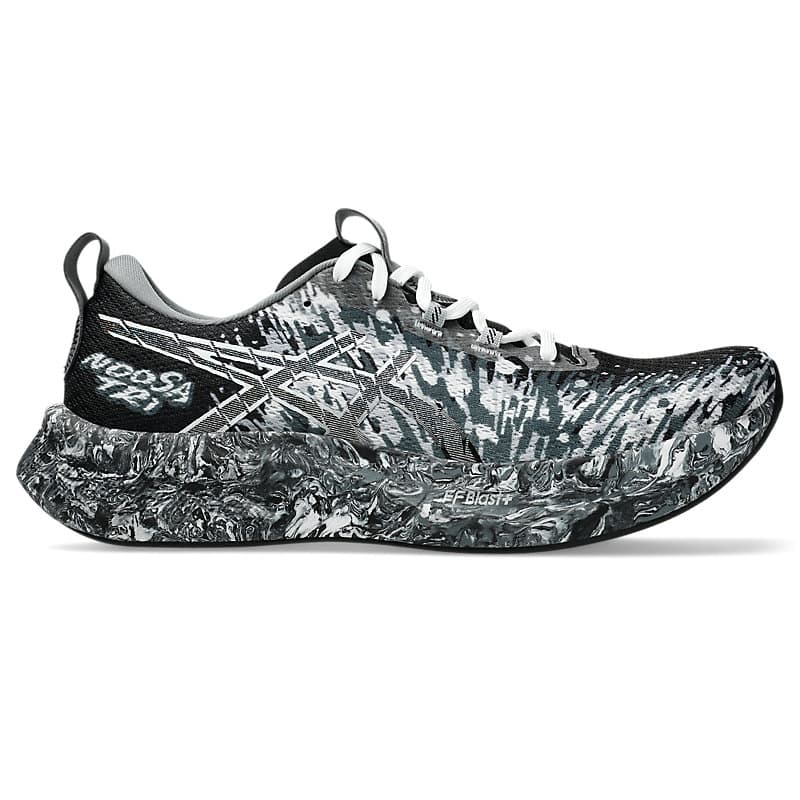
Novablast 6vsGEL-Nimbus 27
Two premium daily trainers with different strengths — energetic versatility versus maximum cushioning.
Compare →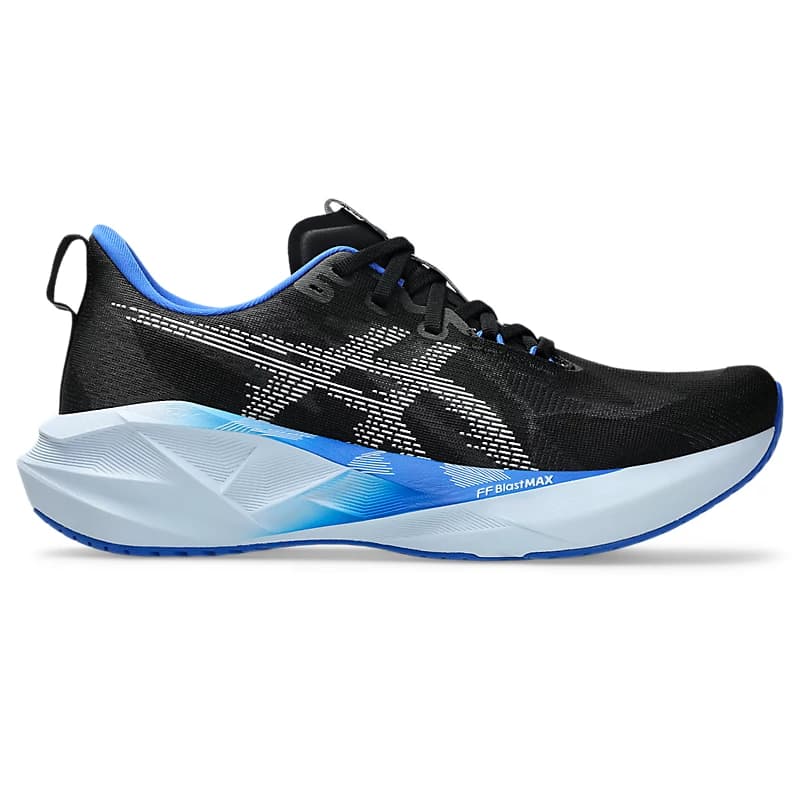
Novablast 6vsNovablast 5
Current vs previous Novablast — grip, midsole pod and upper changes.
Compare →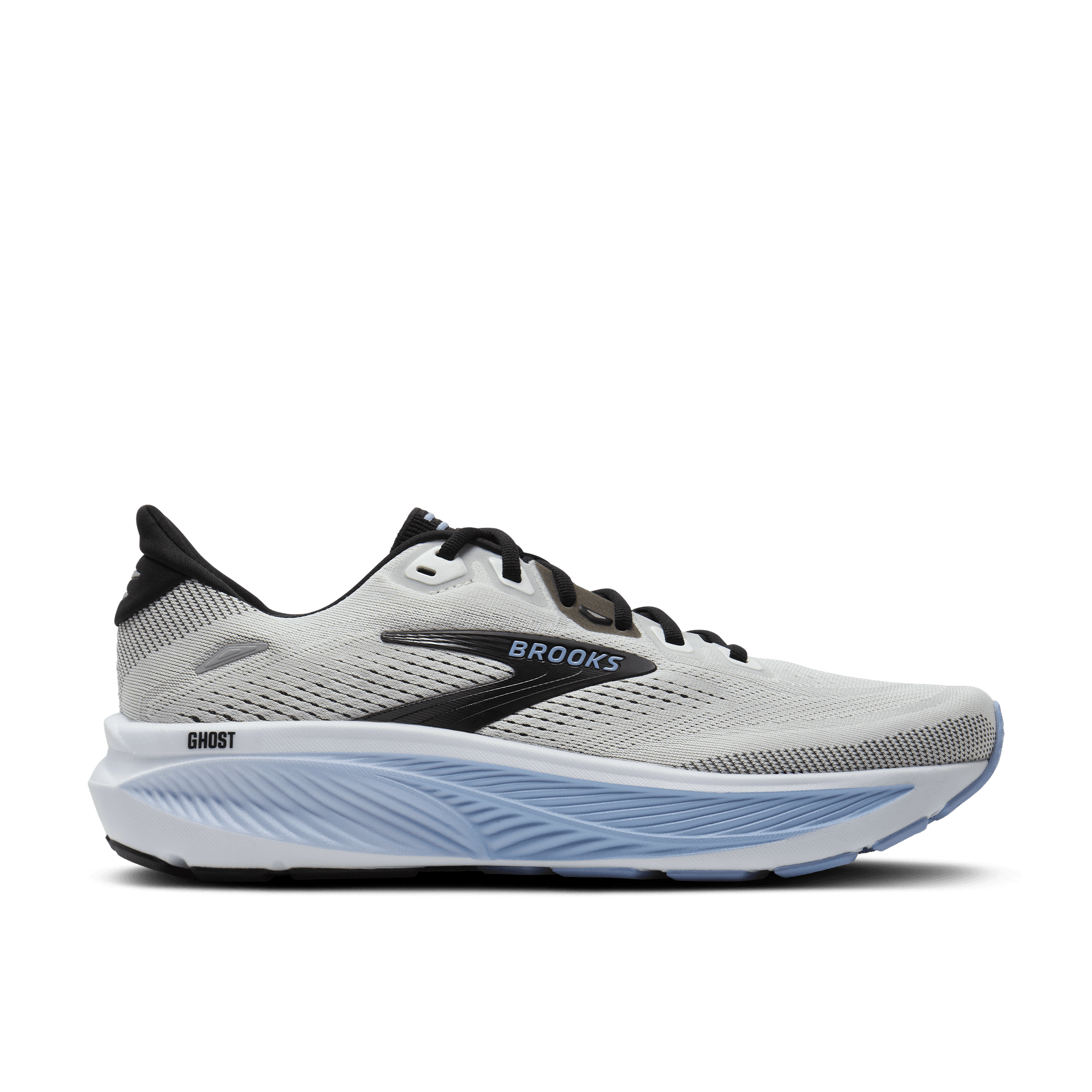
Novablast 6vsGhost 18
Bouncy ASICS daily vs soft, width-friendly Brooks daily.
Compare →How we research
This guide maps common training sessions to catalog shoe roles, separates material behaviour from unsupported recovery rules, and treats value as role coverage plus actual use. Product specifications and prices render from current catalog data.