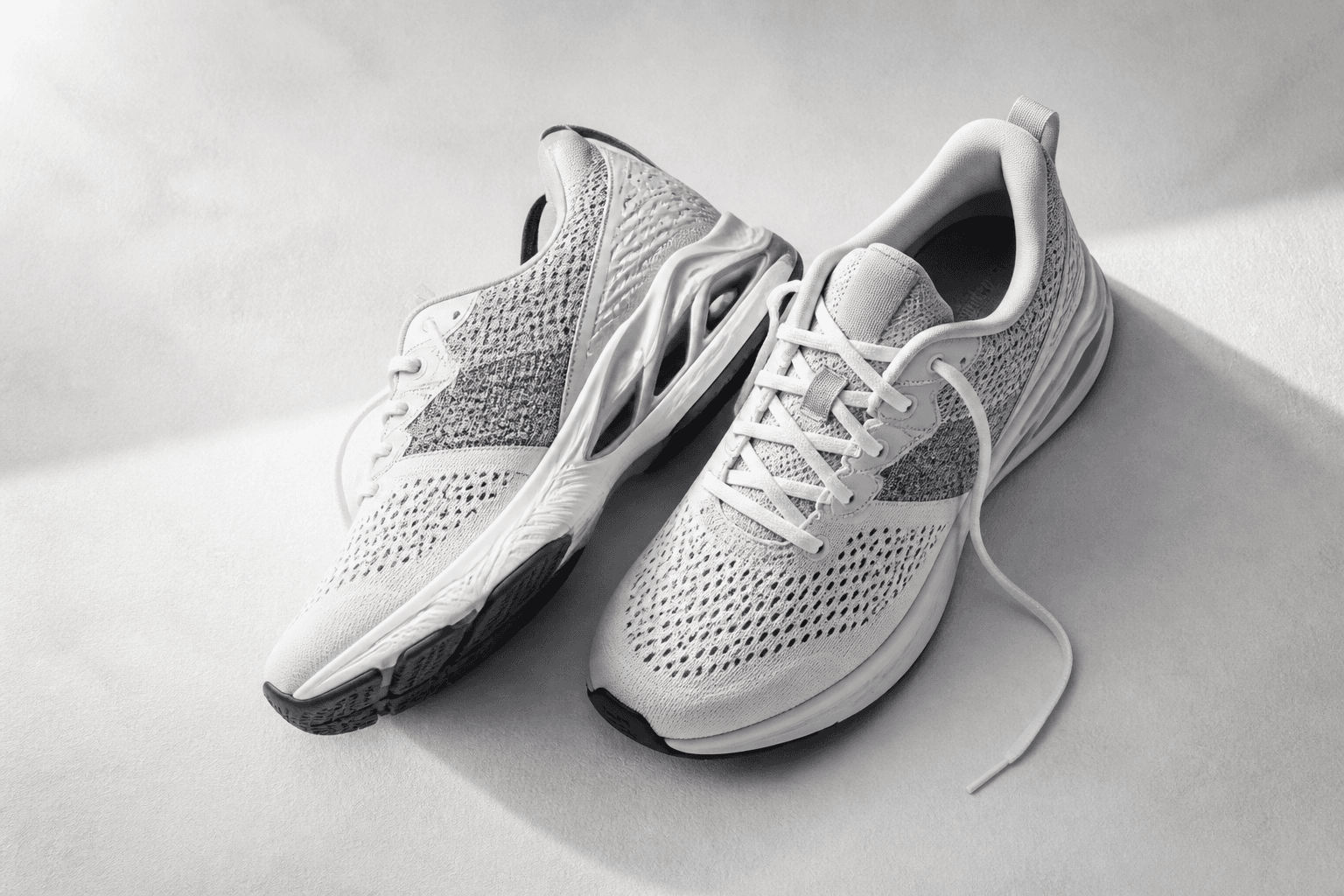
1Know your running needs
Start with what the shoe must do most often. Different sessions pull different priorities — cushion, weight, response and durability.
Daily Training
Versatile option for regular mileage and mixed easy days.
Long Runs
More emphasis on sustained comfort and cushioning.
Speed / Tempo
Usually lighter and more responsive for faster efforts.
Race Day
Prioritises faster running and lower weight for goal races.
Recovery
Comfort-focused options for easy and recovery running.
2Shoe anatomy 101
Knowing the parts helps you interpret specs and reviews — without treating any single feature as a quality score.
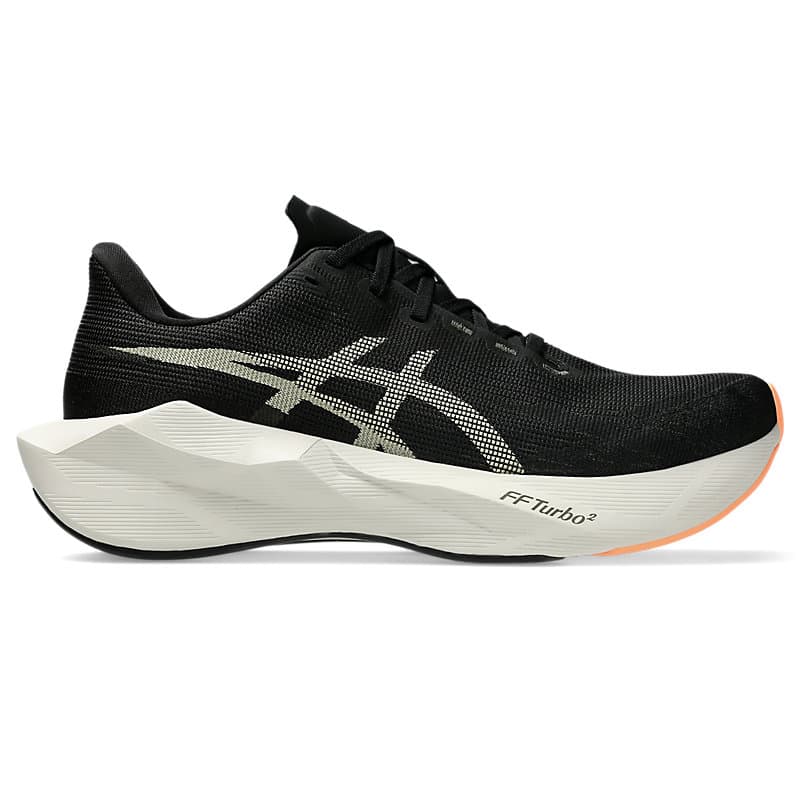
- 1
Upper
Holds the foot. Breathability, lockdown and stretch affect fit feel.
- 2
Heel counter
Structure around the heel that influences lockdown and rearfoot feel.
- 3
Midsole
Primary cushioning layer. Foam type and geometry shape the ride.
- 4
Outsole
Rubber contact with the ground — grip, durability and flex behaviour.
- 5
Stack height
How much material sits underfoot. Higher is not automatically softer.
- 6
Drop
Heel-to-toe height difference. Contextual — not a quality score.
3Key factors explained
These factors change the ride and buying decision. None is universally “better” — match them to how and where you run.
- Cushioning affects how protective and soft the shoe feels underfoot.
- Stack height is not the same as perceived softness.
- More foam can help easy and long miles; less can feel livelier or more connected.
- Choose based on preference and session type — not a universal “more is better” rule.
- See cushioned running shoes →
Cushioning levels
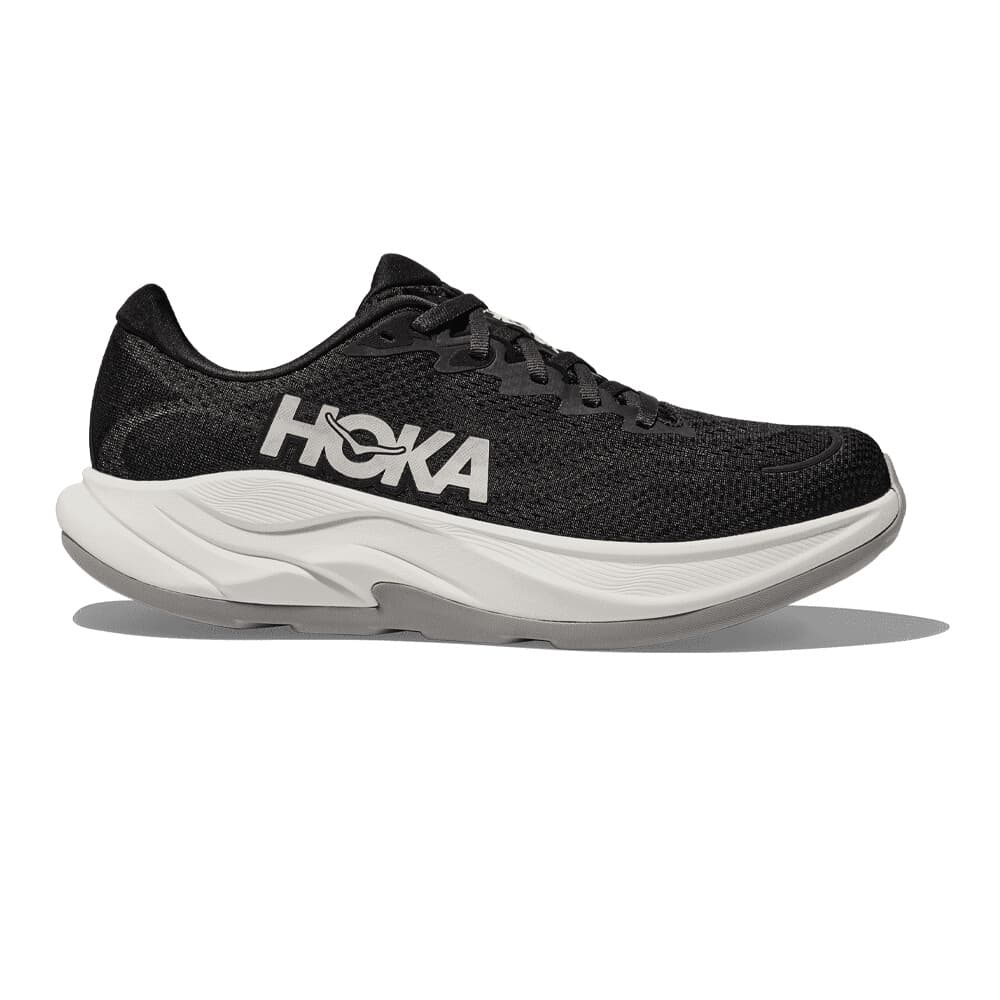
Max Cushion
Taller/protective stack often favoured for easy or long running.
Example: HOKA Bondi 9 →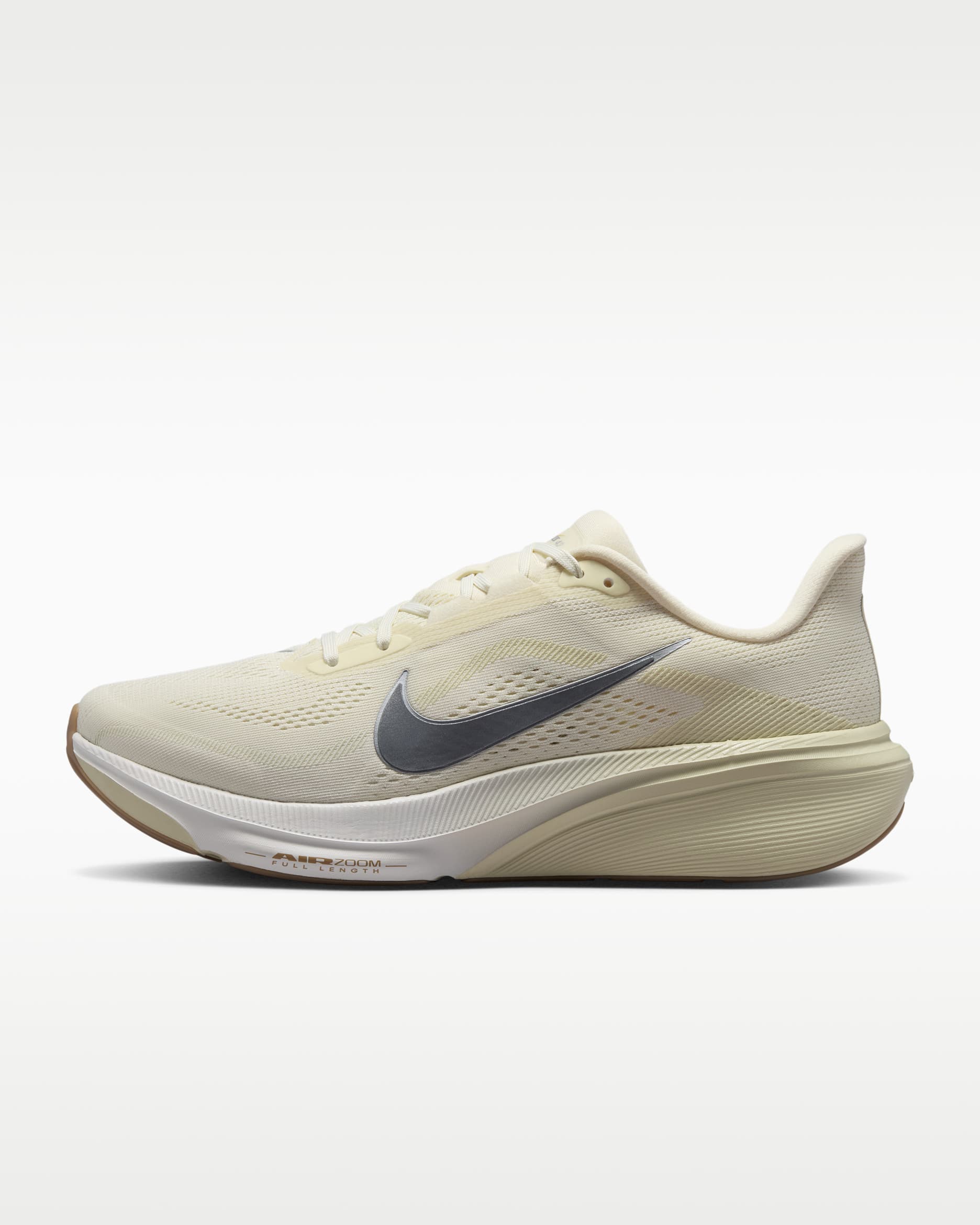
Moderate Cushion
Balanced daily feel for general training.
Example: Nike Pegasus 42 →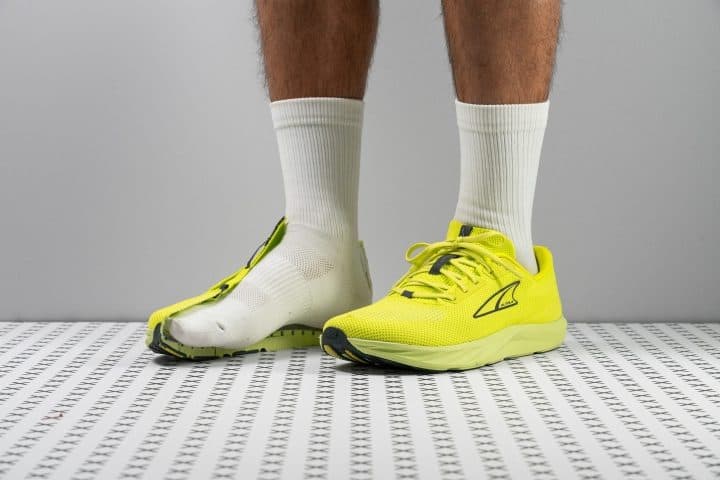
Low Cushion
Less material and more ground feel for some runners.
Example: Altra Escalante 4 →
4What to look for while comparing
Turn each factor into checks you can verify on a product page, in a shop, or on a short test run.
Look for
Cushioning
- Cushioning affects how protective and soft the shoe feels underfoot.
- Stack height is not the same as perceived softness.
- More foam can help easy and long miles; less can feel livelier or more connected.
Look for
Support & Stability
- Stability designs use geometry, guidance elements or firmer foams.
- “Support-focused” does not mean the shoe diagnoses or corrects your gait.
- Neutral shoes remain appropriate for many runners who prefer that ride.
Look for
Weight
- Lighter shoes can feel quicker, especially for workouts and racing.
- Lower weight is not always better for easy or long training.
- Manufacturer sample weights are typically men’s sample sizes — treat them as comparative.
Look for
Drop
- Drop is the heel-to-toe height difference in millimetres.
- There is no universally ideal drop — match it to preference and history.
- Large drop changes can irritate calves or Achilles; transition gradually.
5Understanding fit
Fit beats foam marketing. Length, width and lockdown determine whether a shoe works for your foot — independent of Kitletics Score.
Length
Aim for comfortable toe room without the foot sliding excessively fore–aft.
Width
The foot should not feel pinched or spill over the midsole edge. Use official width options when available.
Heel lock
A secure heel with minimal unwanted slip after a sensible lace-up.
6Terrain & conditions
Road, trail and track pull different outsole, protection and geometry priorities. Do not buy a road daily for technical trail or a trail shoe for pure road racing.
 Road
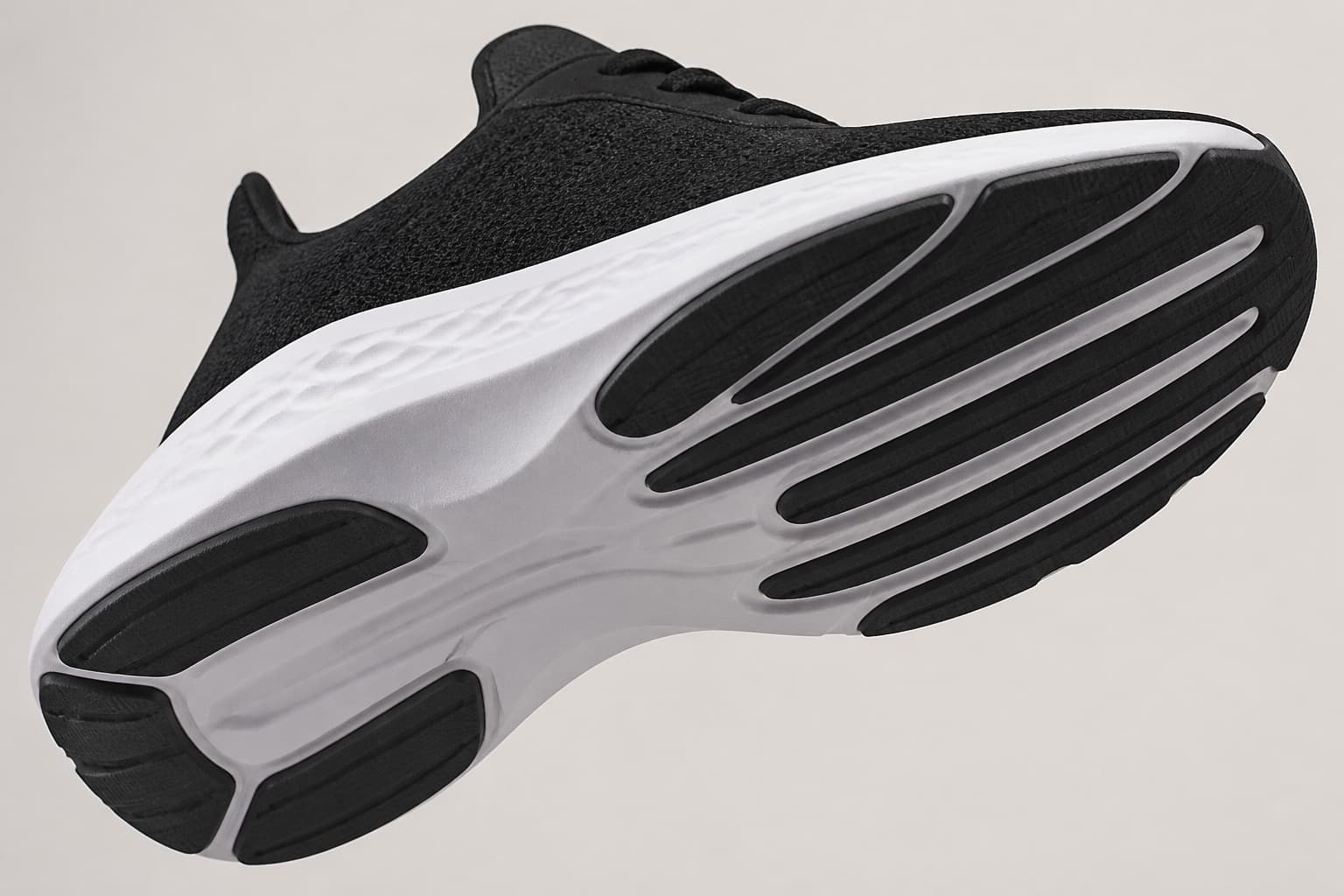
RoadFlatter tread and road rubber for pavement — lighter geometry, less aggressive grip.
 Trail
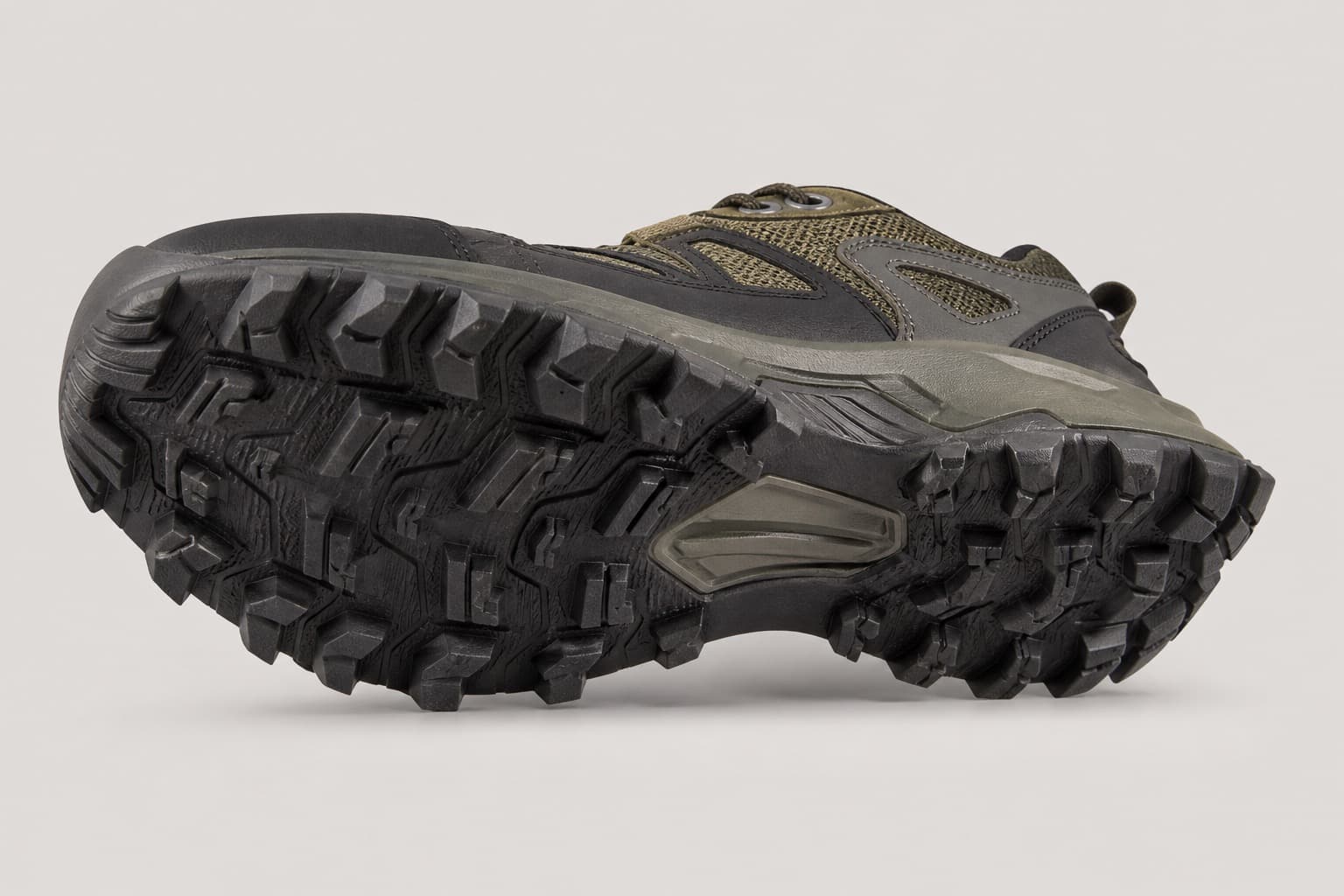
TrailDeeper multidirectional lugs and a more planted base for dirt, rock and uneven ground.
Road
Smooth outsoles and road-oriented foam for pavement and paths.
Trail
Lugs, rock protection and grip for off-road surfaces.
Road-to-trail
Compromise tools for light trails and mixed surfaces.
Treadmill / wet
Consider breathability, rubber and traction for indoor or wet conditions.
7How much should you spend?
Value is performance relative to typical street price. Current regional prices update from Offers — never treat a guide’s prose as a fixed price.
Value
Solid daily trainers that cover most easy mileage.
Mid-range
Current foams and features for regular training.
Premium / race
Specialised tools — worth it when the session demands them.
8Common mistakes to avoid
- Choosing solely by the highest Kitletics Score — score is category assessment, not your personal match.
- Buying a race shoe for every easy run.
- Assuming more cushioning is always better.
- Ignoring width and lockdown.
- Choosing purely by discount without checking fit and role.
- Buying race shoes for easy miles, ignoring width, jumping drop dramatically, or treating affiliate “best of” lists as personalised advice.
For a personal shortlist, use the Running Shoe Finder.
9FAQ
- What is shoe drop?
- Drop is the height difference between heel and forefoot stack, measured in millimetres. It influences how the shoe encourages landing mechanics — it is not a quality ranking.
- How should running shoes fit?
- Aim for a secure midfoot and heel with roughly a thumb’s width of space at the toes when standing. Width and volume matter as much as length — swelling on long runs is normal. Prefer official width options when you need wide lasts.
- How often should I replace running shoes?
- Many road shoes feel worn between roughly 500–800 km, but foam, outsole wear and how the shoe feels under you matter more than a fixed number. Replace sooner if cushioning feels dead or pain appears.
- How many pairs of running shoes do I need?
- One reliable daily trainer is enough to start. Runners logging higher mileage often rotate a daily shoe with a faster or more protective option to manage wear and session type.
Examples: shoes that fit different needs
View all running shoes →ASICS
Novablast 6
Versatile daily trainer
9.0 ExcellentFrom € 149
View review →HOKA
Bondi 9
Maximum cushioning
8.5 Very GoodFrom € 180
View review →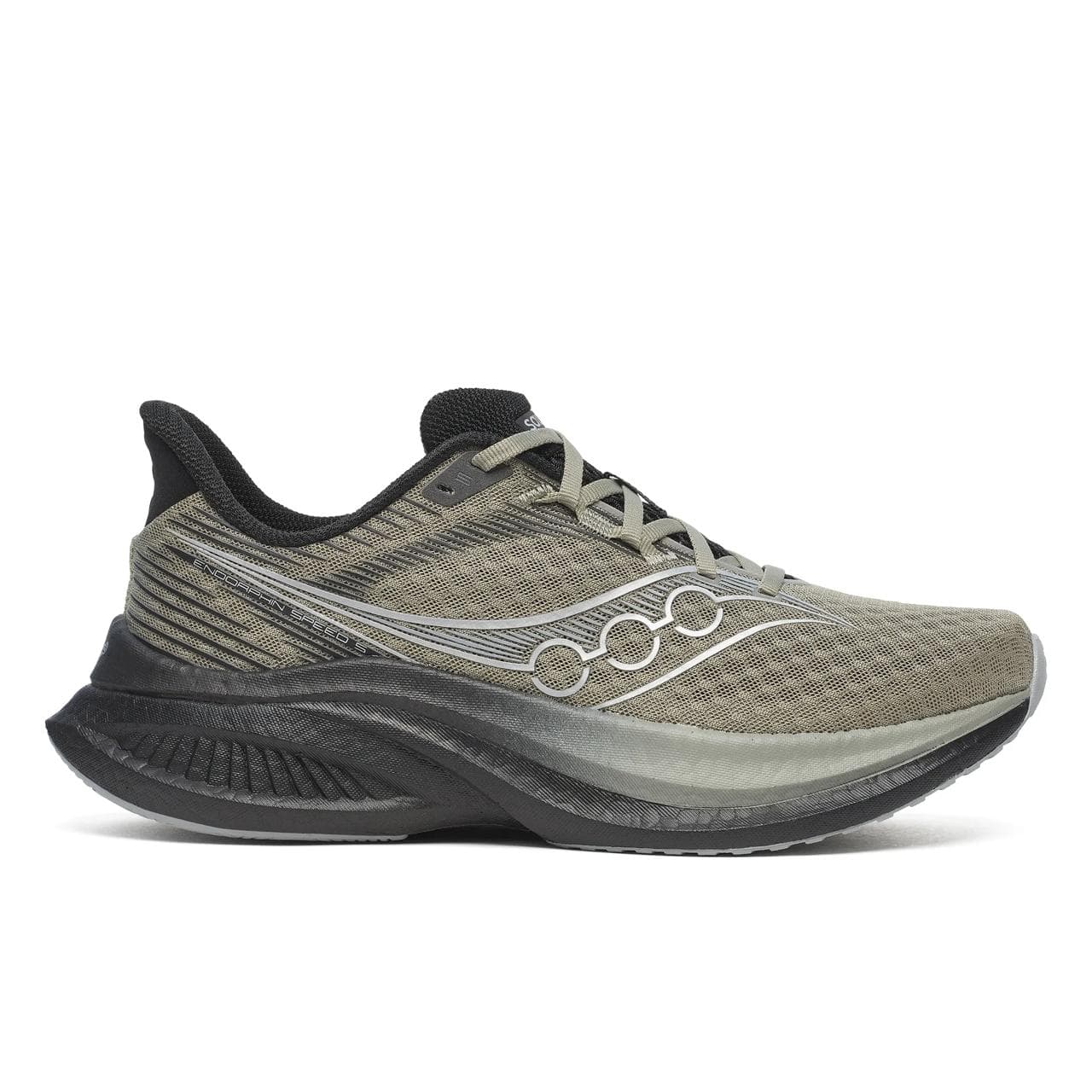
Saucony
Endorphin Speed 5
Tempo / faster running
9.1 ExcellentFrom € 170
View review →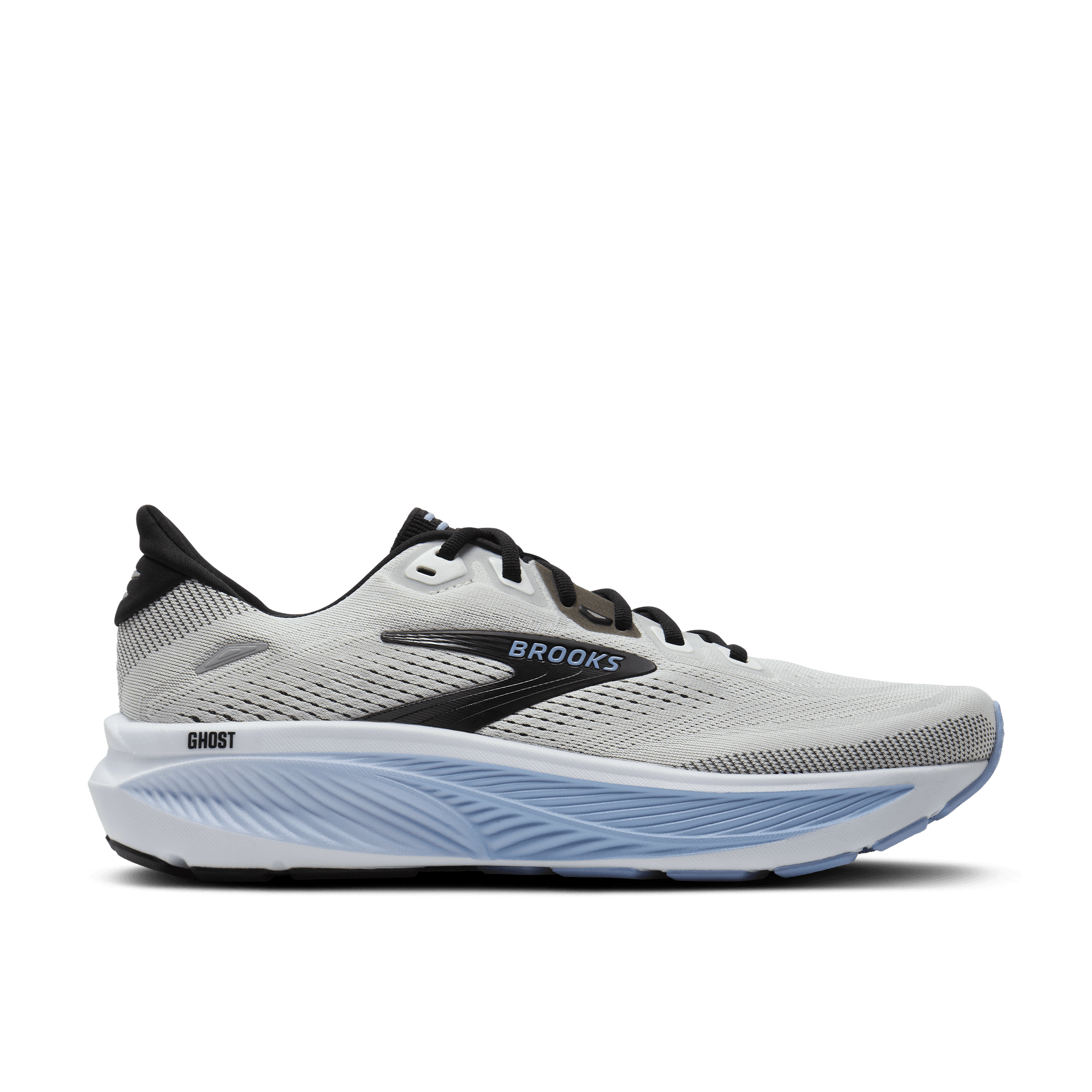
Brooks
Ghost 18
Smooth daily miles
8.6 Very GoodFrom € 144
View review →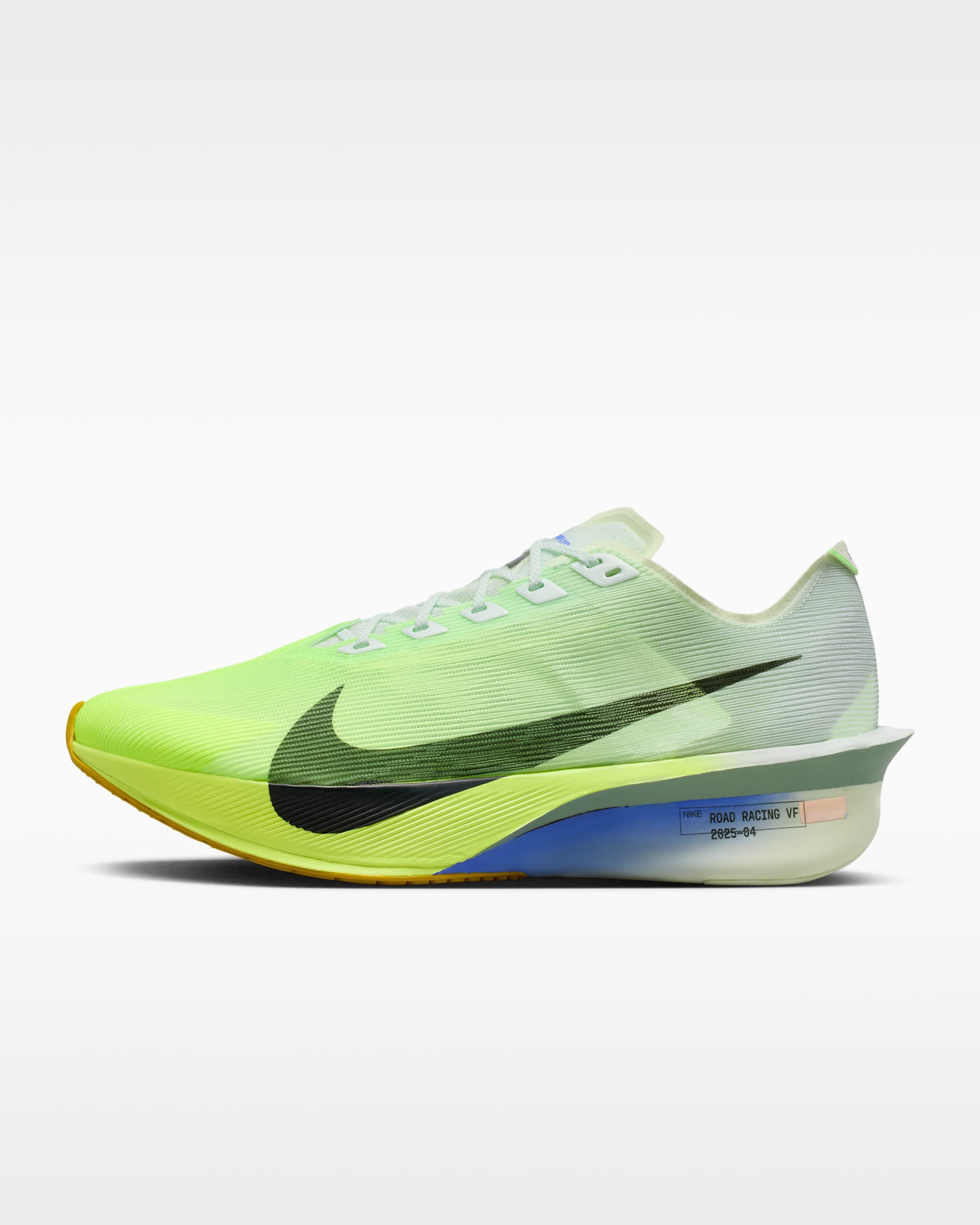
Nike
Vaporfly 4
Race-day example
8.9 Very GoodFrom € 245
View review →
Head-to-head comparisons
Continue the decision with focused head-to-heads — who should choose which, and the trade-offs that matter.
Novablast 6vsGhost 18
Bouncy ASICS daily vs soft, width-friendly Brooks daily.
Compare →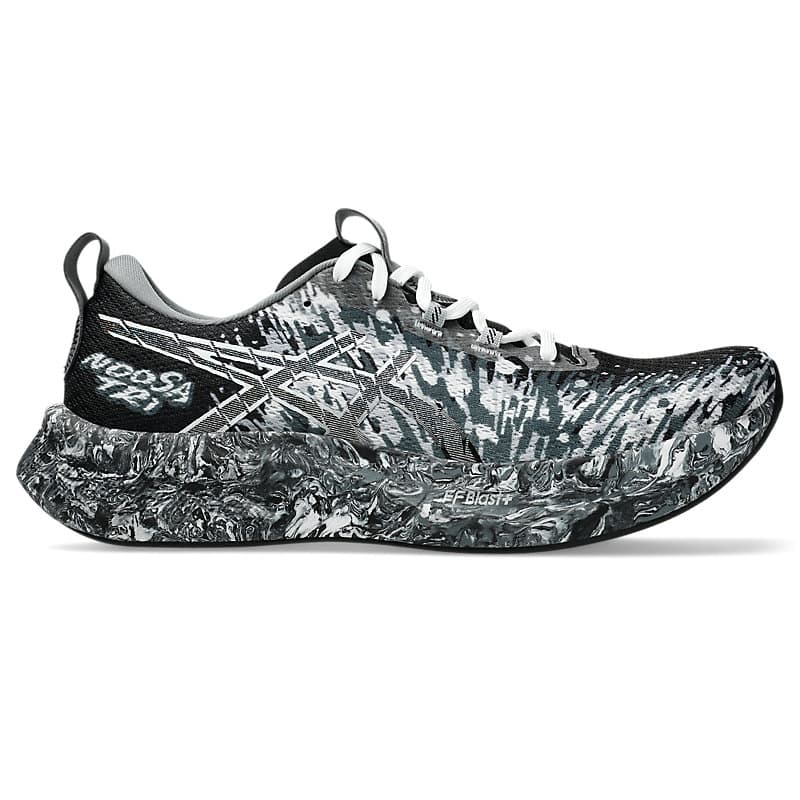
Novablast 6vsGEL-Nimbus 27
Two premium daily trainers with different strengths — energetic versatility versus maximum cushioning.
Compare →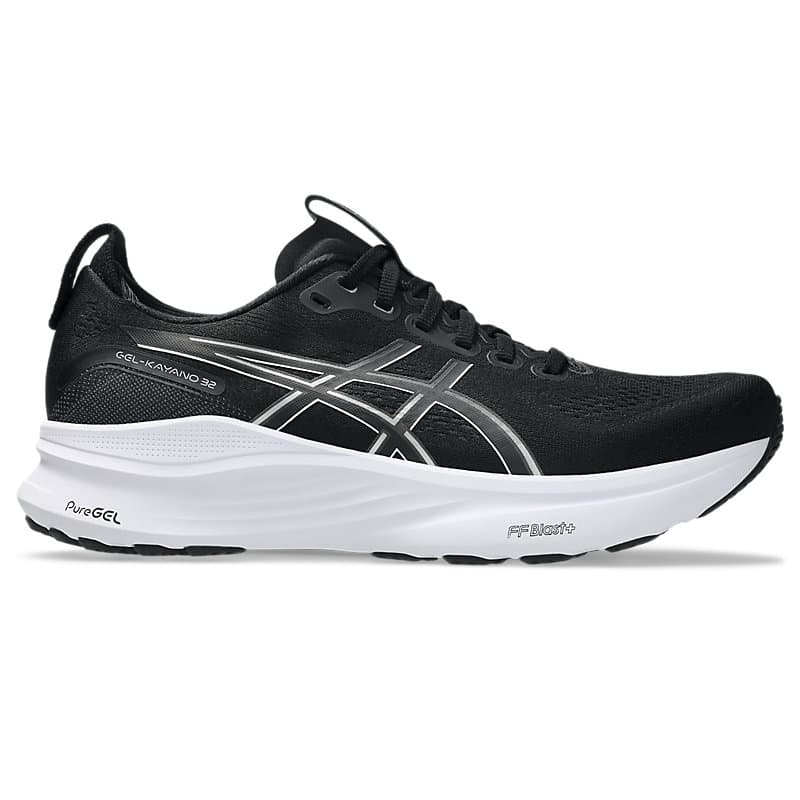
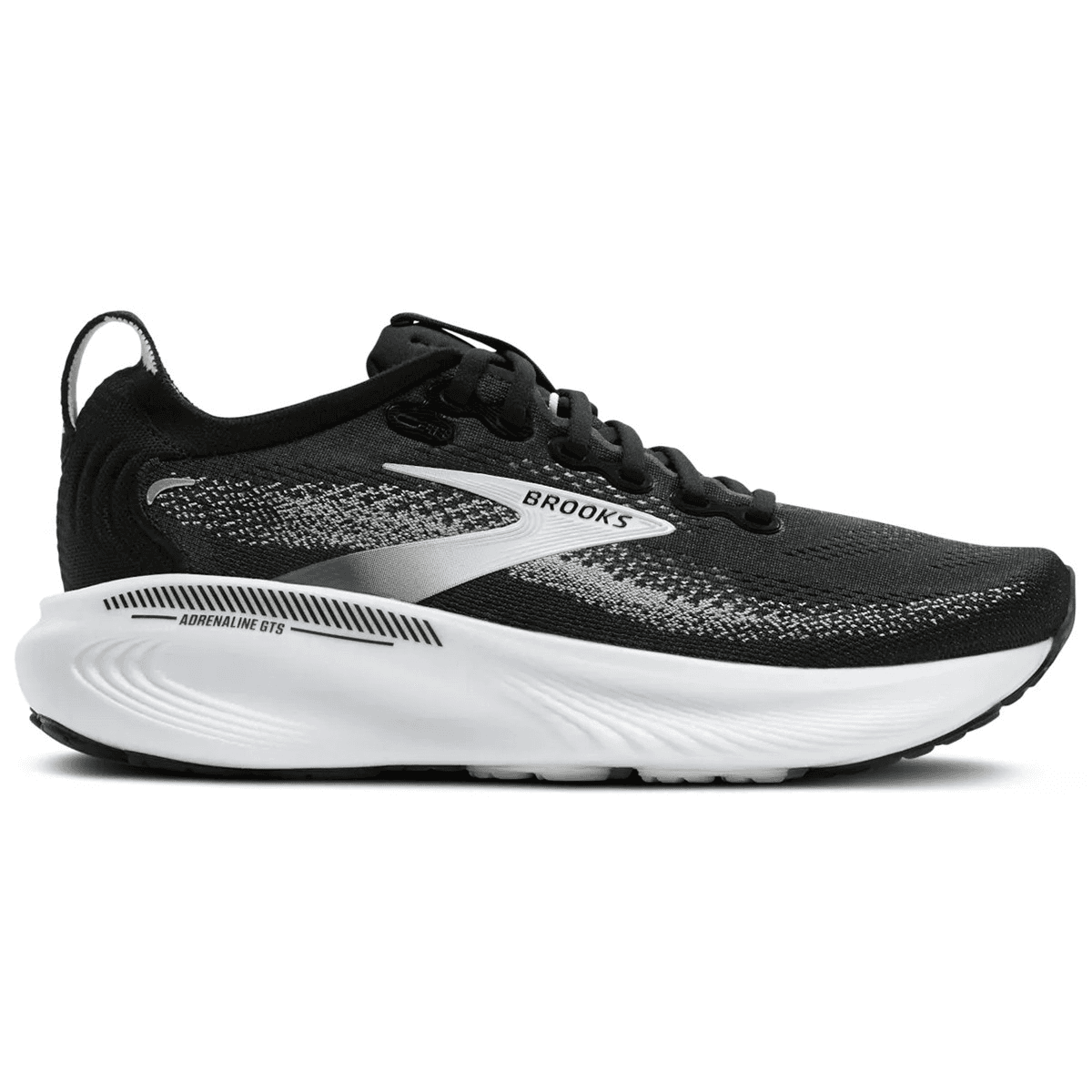
GEL-Kayano 32vsAdrenaline GTS 25
Stability daily trainers from two major road brands.
Compare →
Vaporfly 4vsAlphafly 3
Nike carbon race family — race-day options.
Compare →