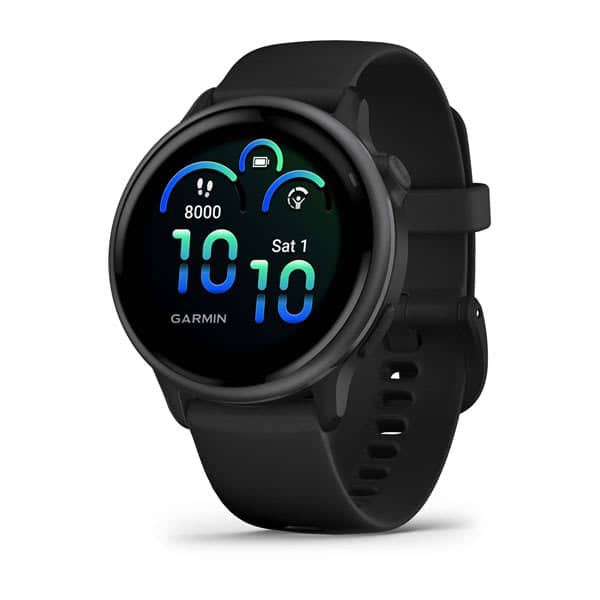
Entry-Level Running Watches
Garmin
Vivoactive 6
23g (Ref. · Men's US 9)
Best for: Very light daily wear with a bright AMOLED.
78.0from€ 299
Running
Compare Garmin, COROS, Polar, Suunto, Apple and more — battery, maps, music and training features for how you run.
Filterable catalog · 37 products
6 matches
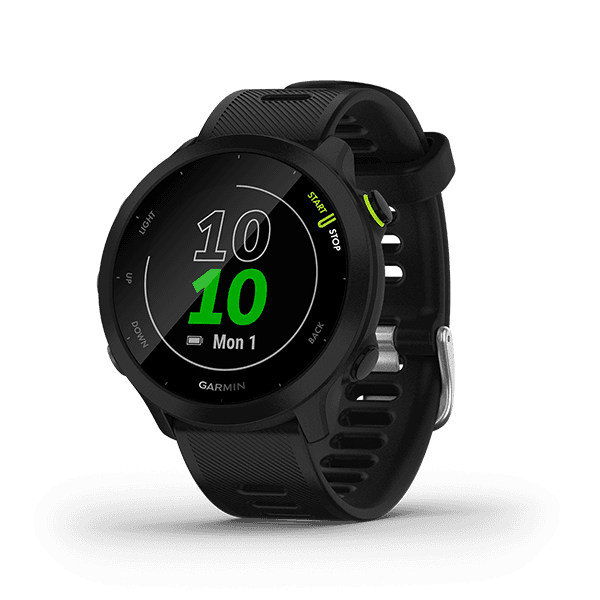
Garmin
23g (Ref. · Men's US 9)
Best for: Very light daily wear with a bright AMOLED.
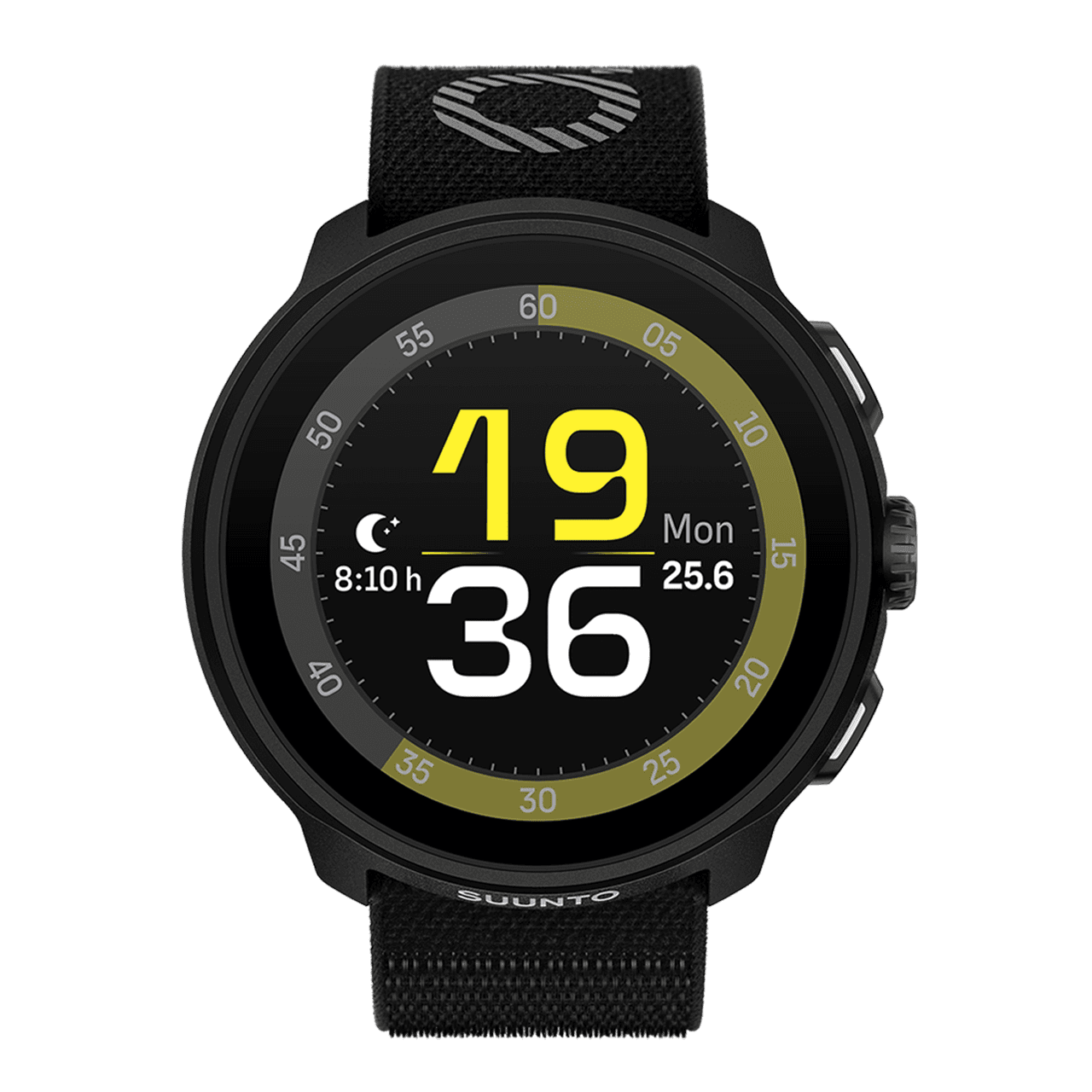
Suunto
36g (Ref. · Men's US 9)
Best for: Light 36 g AMOLED daily runner at an entry pr…
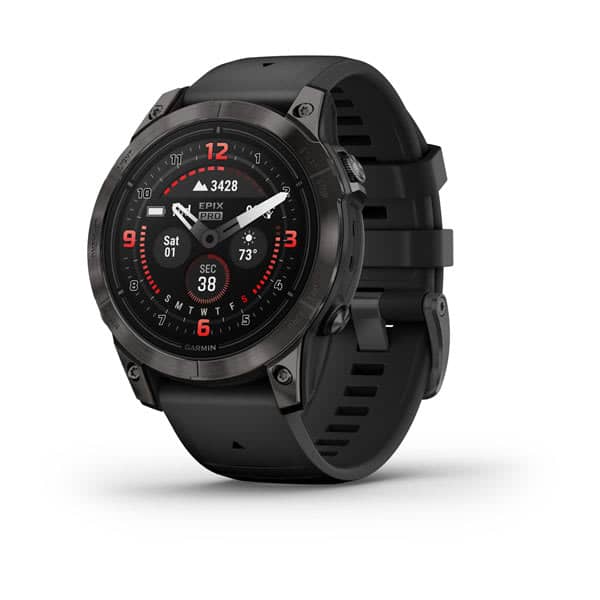
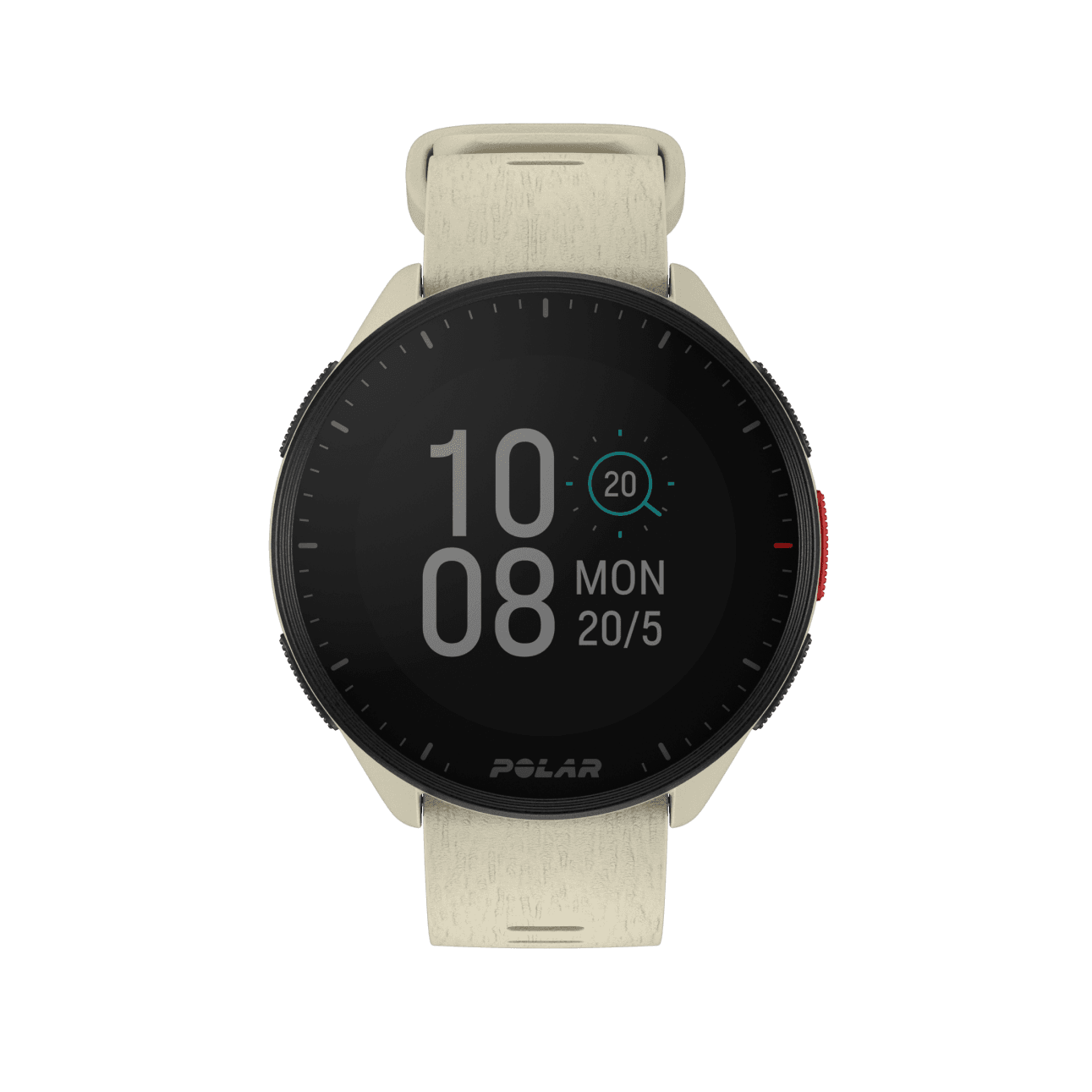
Polar
40g (Ref. · Men's US 9)
Best for: Simple Polar Flow coaching at an accessible p…
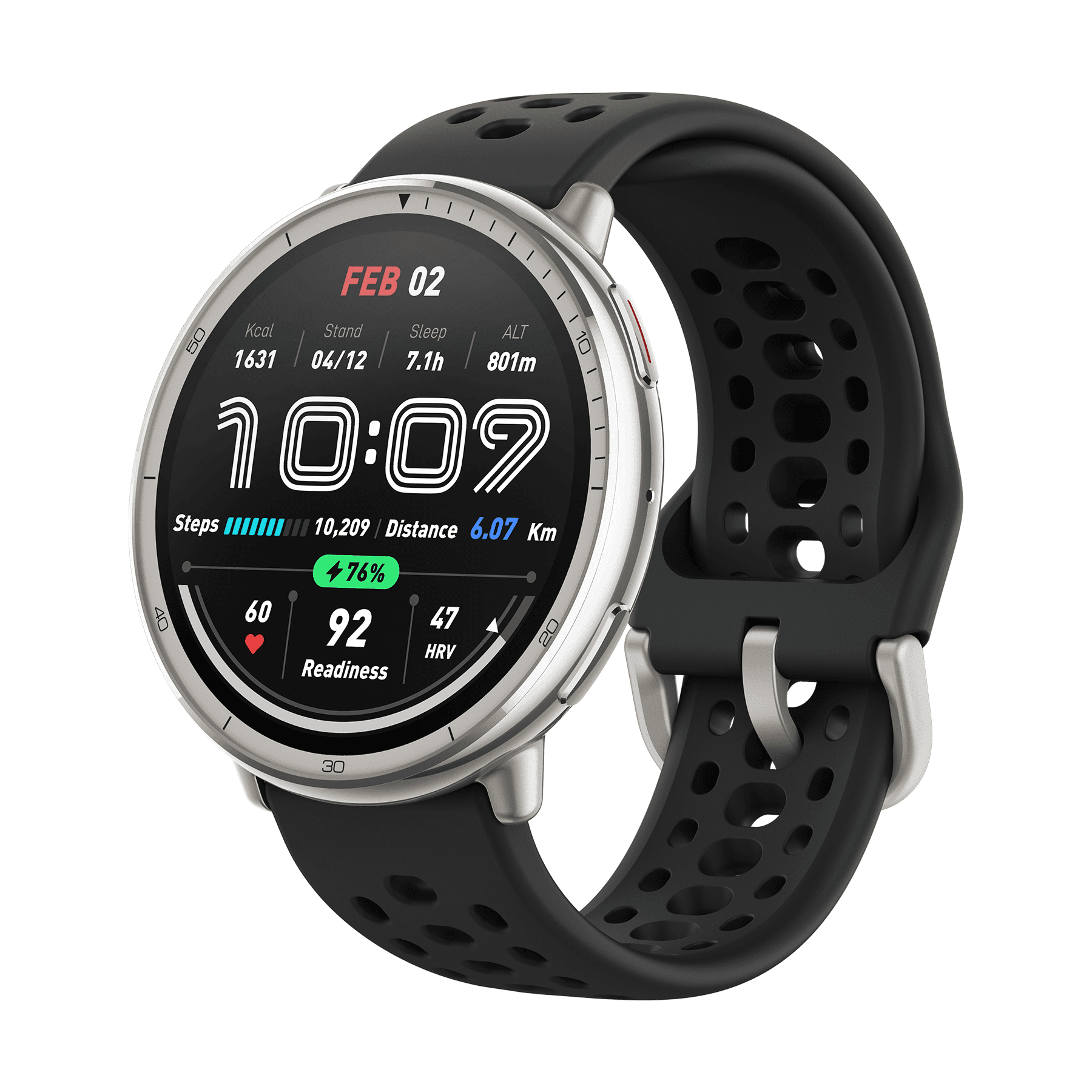
Amazfit
27g (Ref. · Men's US 9)
Best for: Low entry price for a bright AMOLED GPS watch.
Prefilter the catalog by how you train.
Jump to shortlists or prefiltered catalog views.
Not sure which watch?
Match battery life, maps, music and budget to your training — then compare shortlisted models.
Editorial decision pages — not a duplicate of the filter UI.
GPS running watches selected by training needs — battery, maps, metrics and value.
6 recommendations
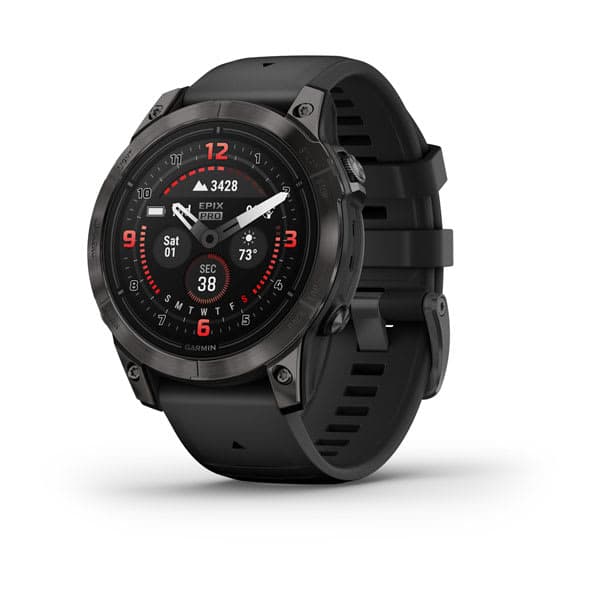
Entry GPS watches for first 5Ks and building a habit — clear UI, solid battery, honest feature limits.
5 recommendations
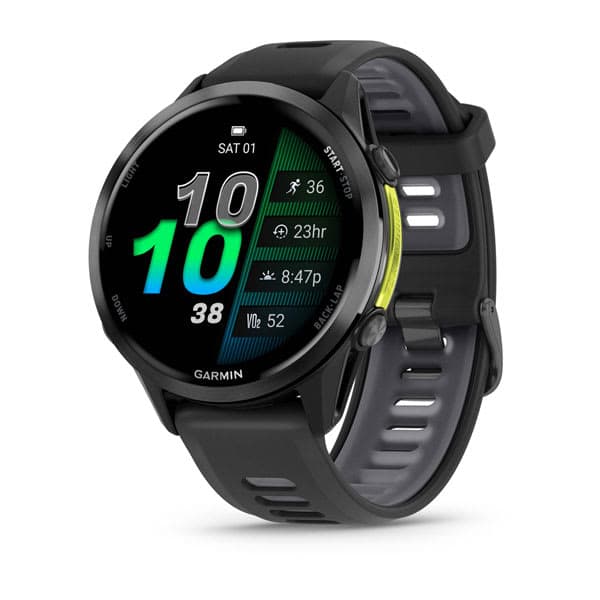
Watches that handle marathon training blocks — reliable GPS, long-run battery, and training load tools.
5 recommendations
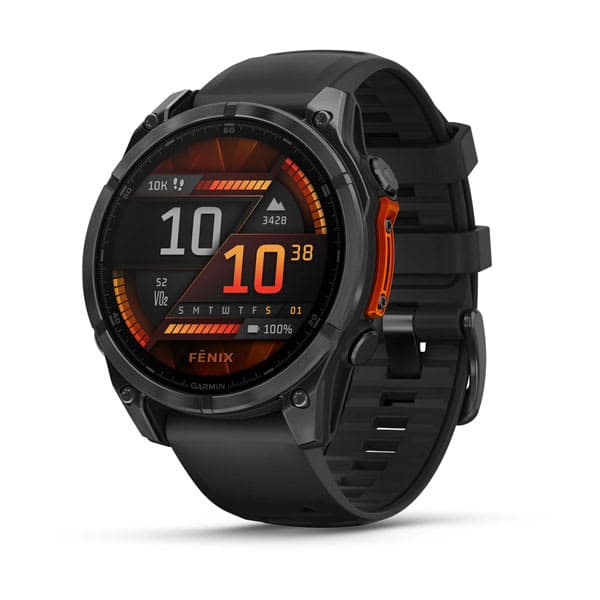
Trail GPS watches with offline maps, durable builds, and battery for long mountain days.
5 recommendations
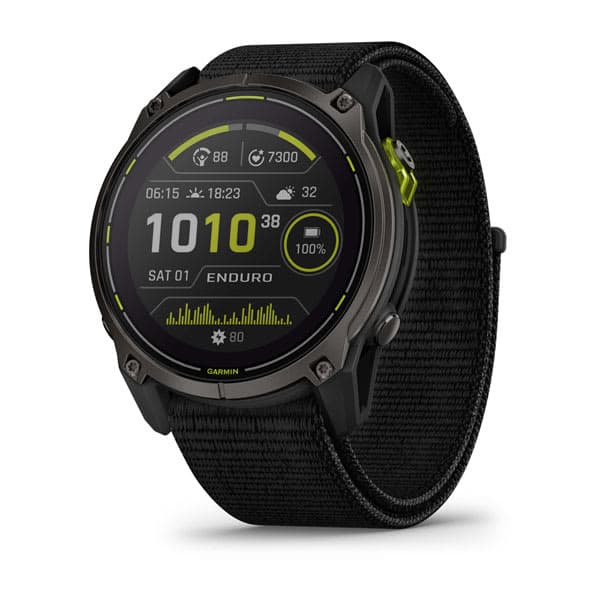
Ultra-focused GPS watches with class-leading battery, maps, and light enough builds for long efforts.
5 recommendations
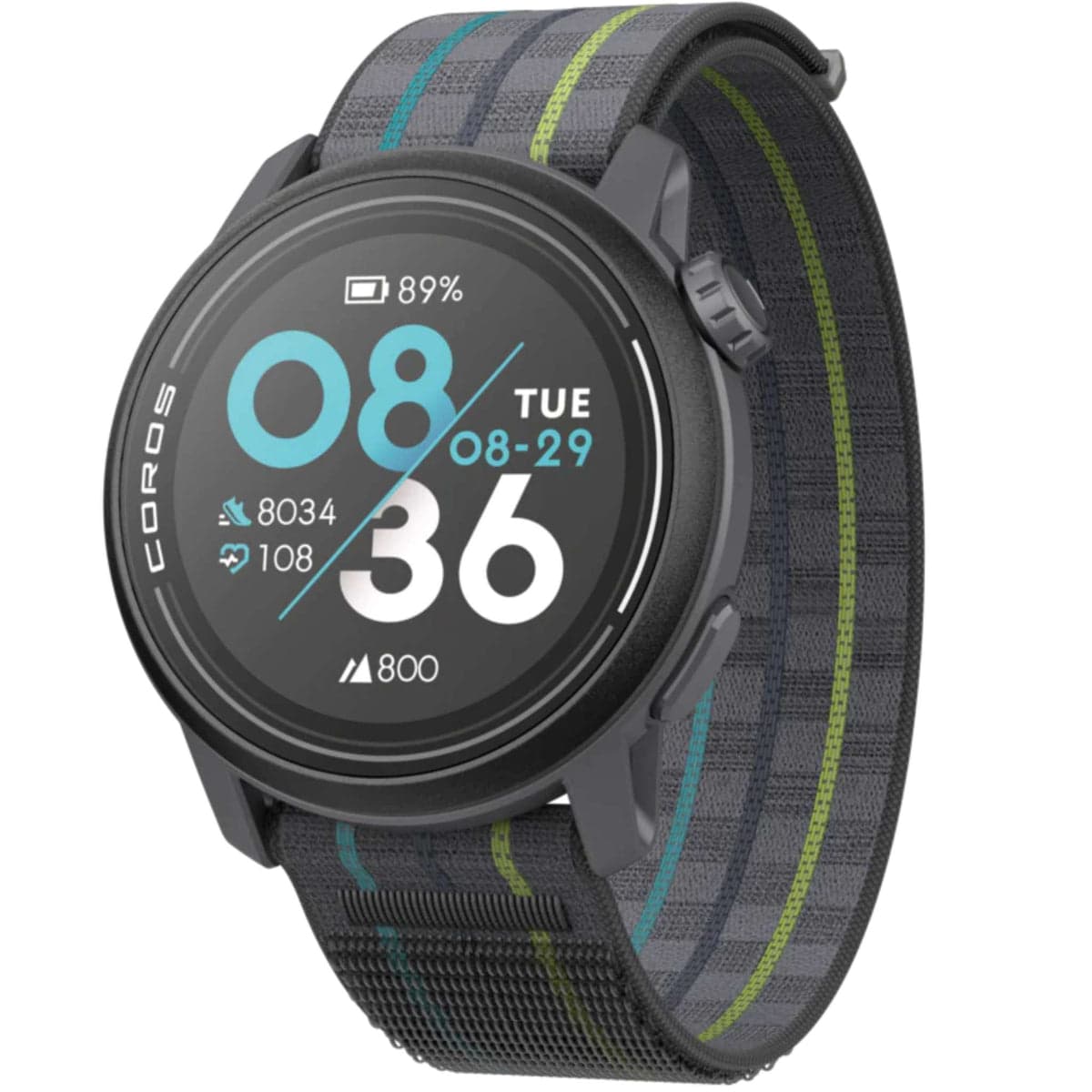
Value GPS running watches that cover training essentials without flagship spend.
5 recommendations
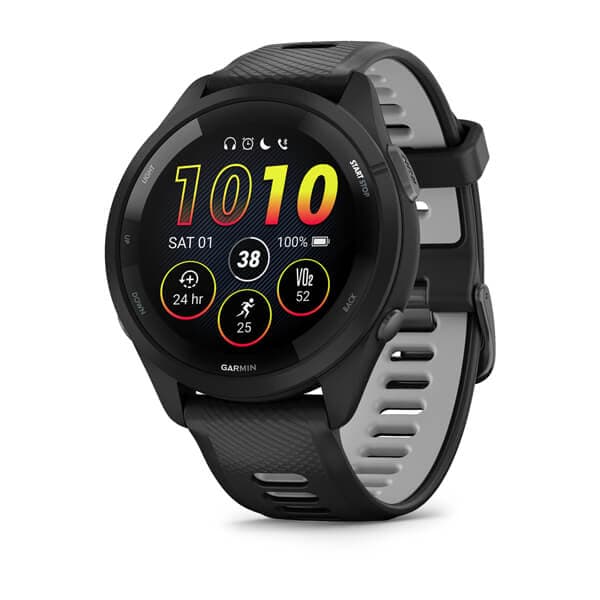
GPS running watches with music storage, solid training tools, and phone-free run workflows.
6 recommendations
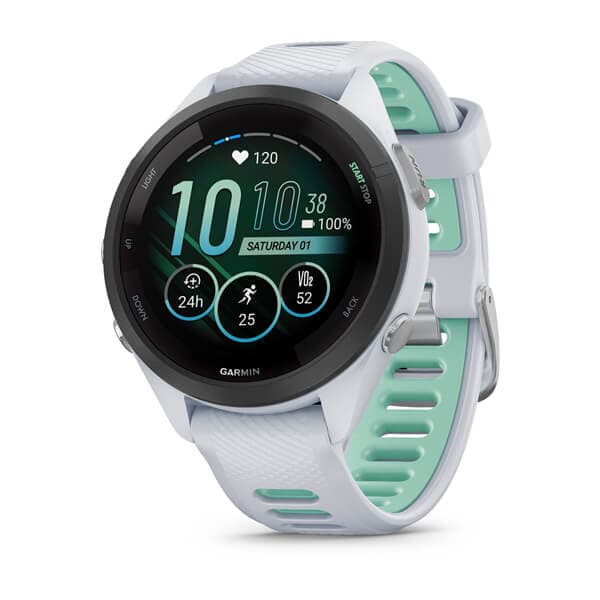
Smaller GPS running watches — lighter cases and compact sizes without giving up core training tools.
5 recommendations
Side-by-side picks with product photos — open any pair for the full breakdown.
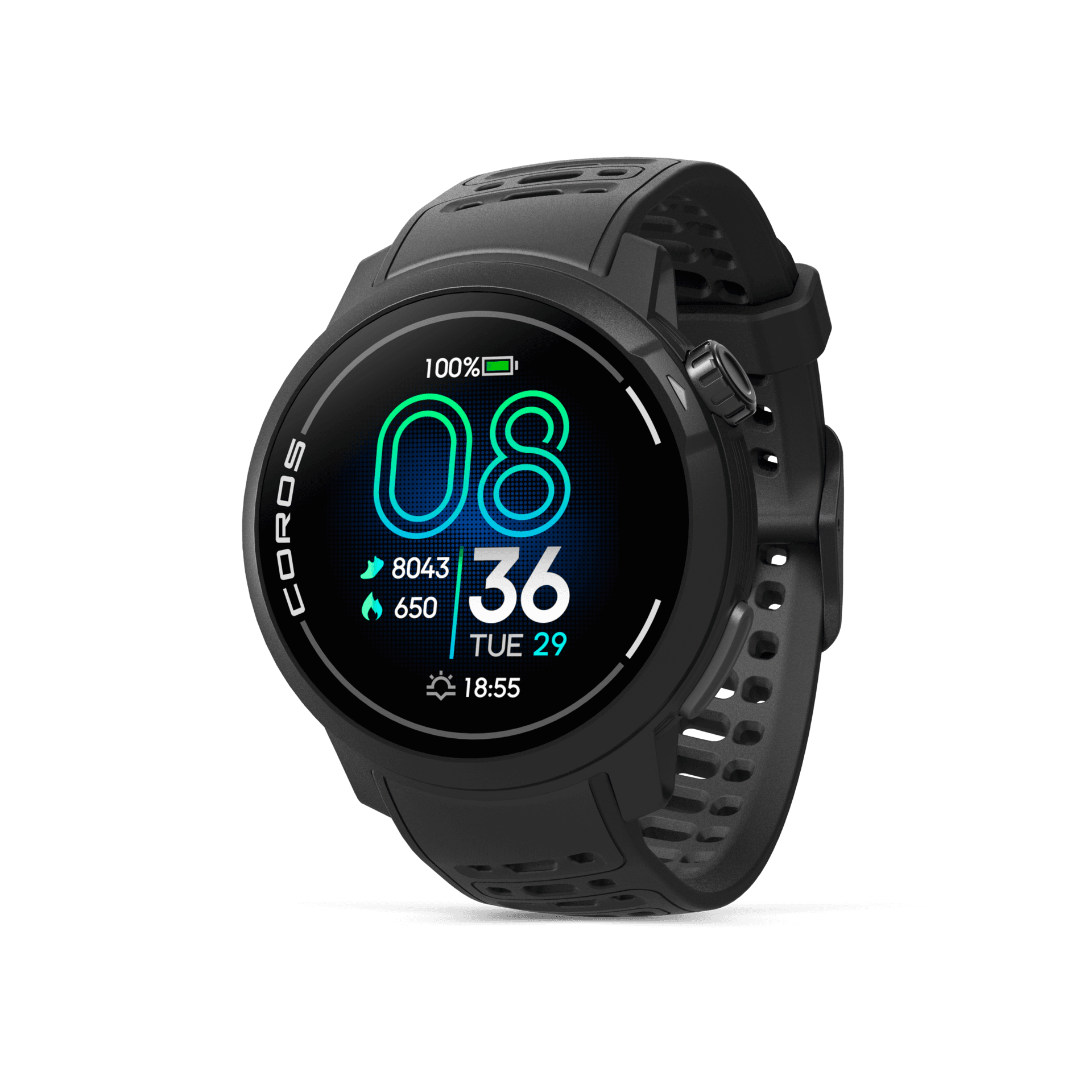
AMOLED mapping running watches — ecosystem vs weight/value.
Compare →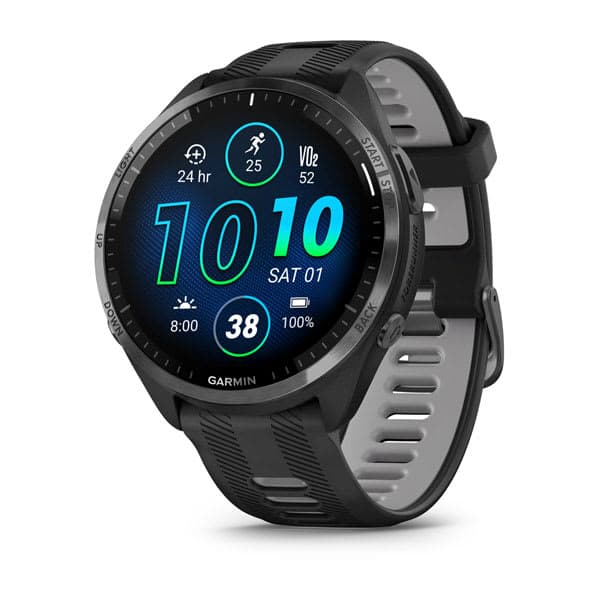
Current vs previous flagship Forerunner generation.
Compare →Adventure multisport flagship vs runner-first Forerunner flagship.
Compare →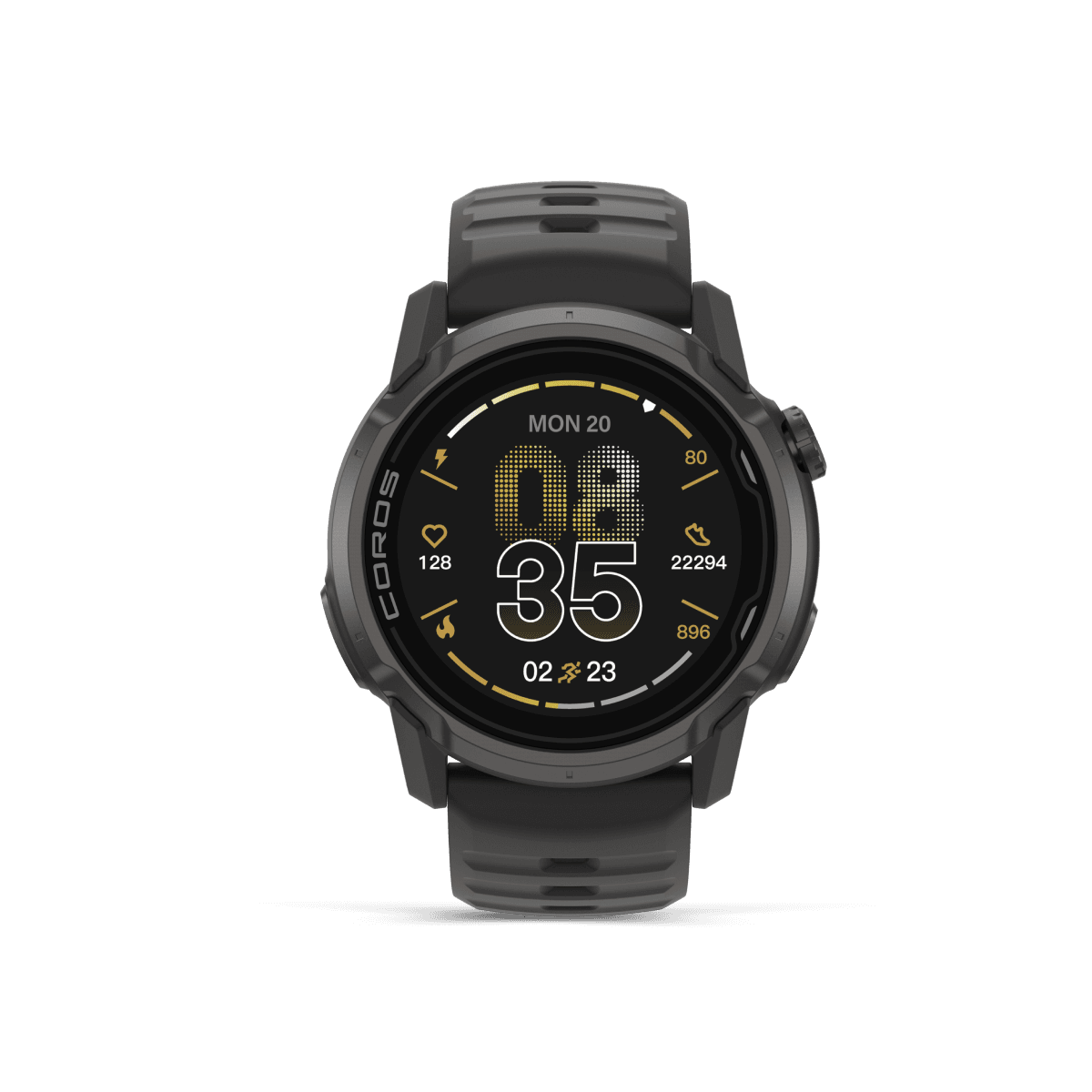
MIP trail maps endurance vs AMOLED Garmin adventure flagship.
Compare →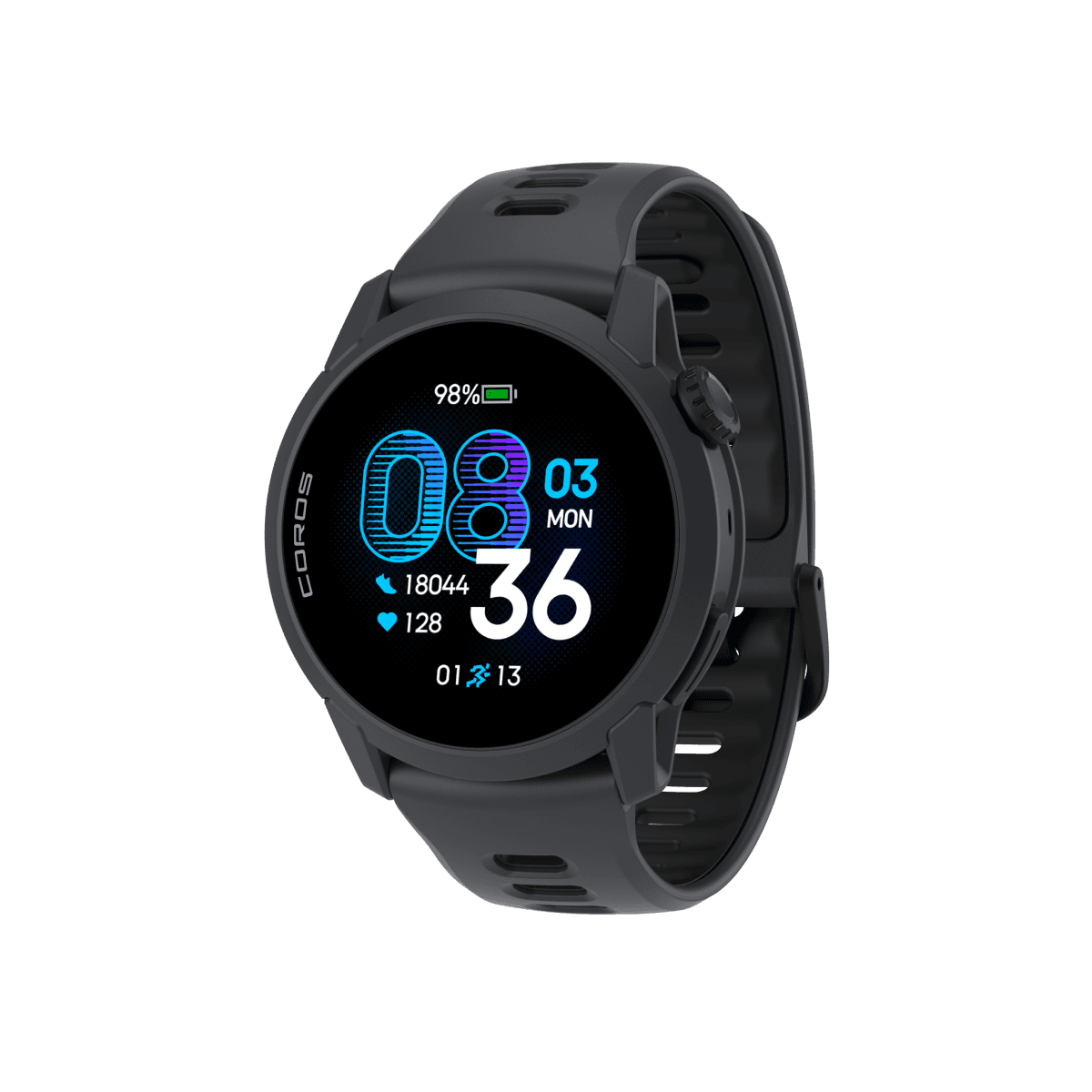
Ultralight dual-frequency value runner vs beginner Garmin.
Compare →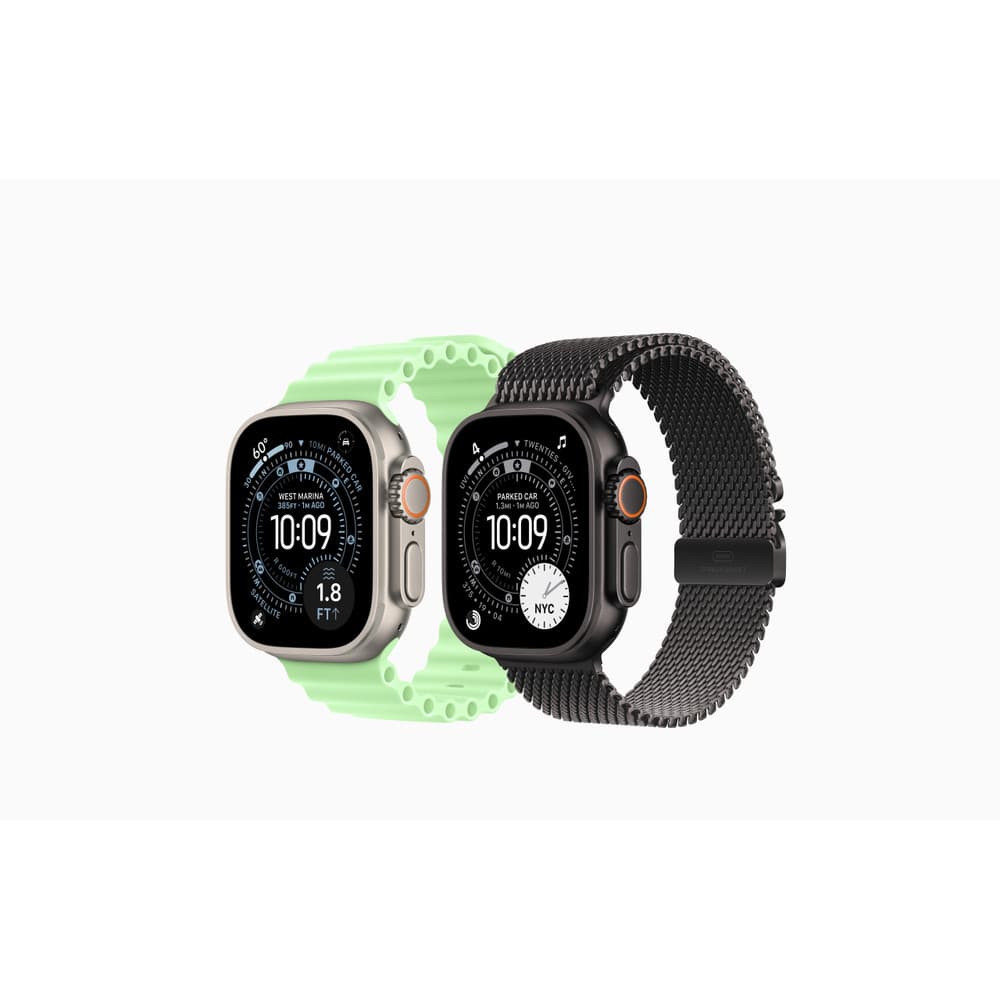

Current vs previous Apple Ultra for runners.
Compare →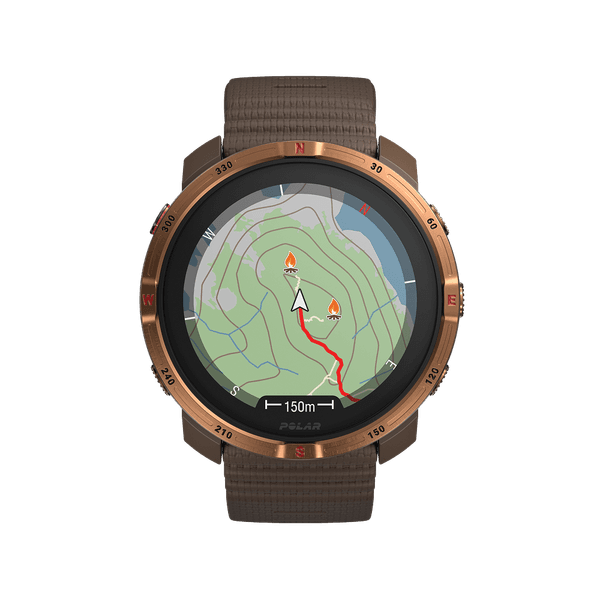
Compact Polar outdoor maps watch vs Garmin adventure flagship.
Compare →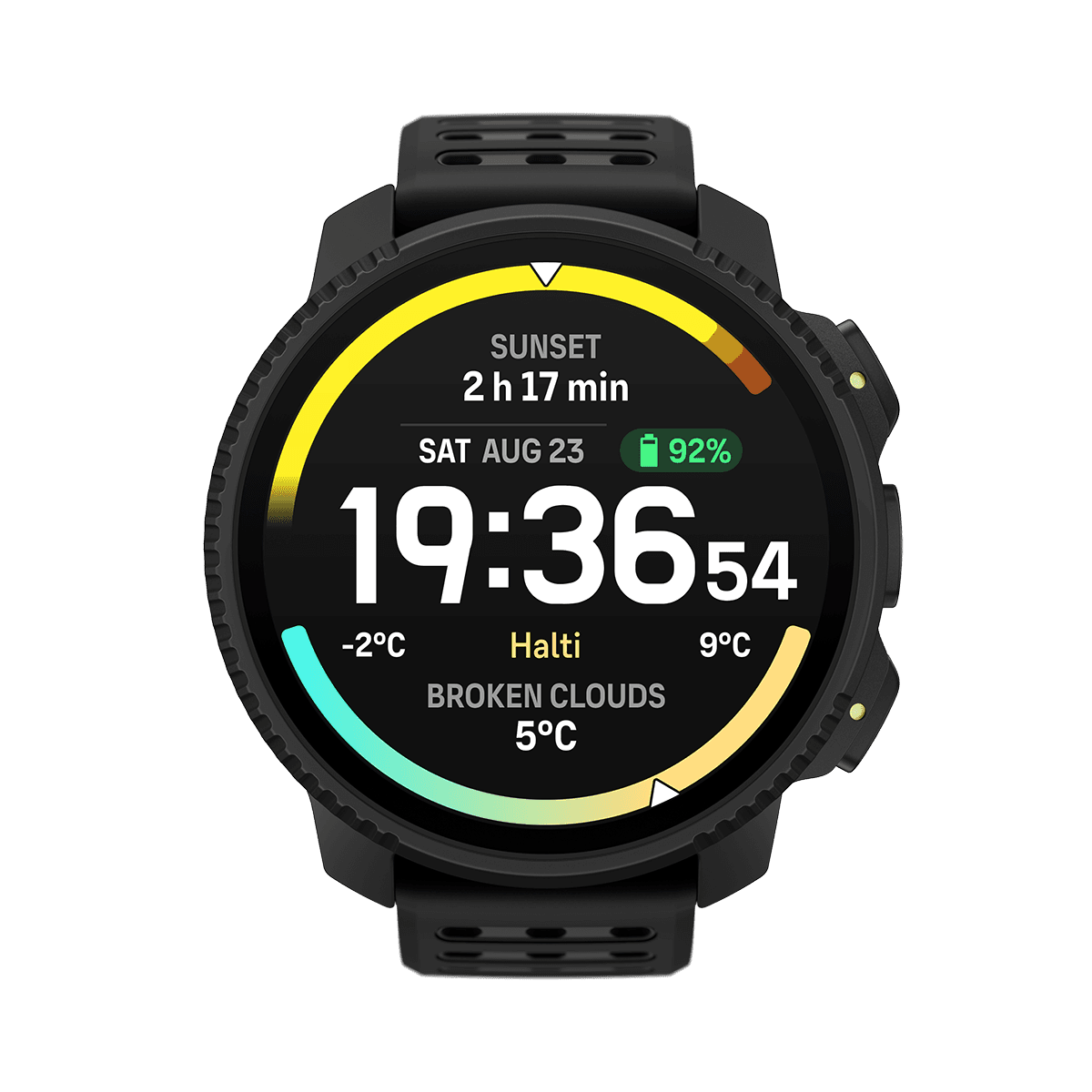
AMOLED outdoor Suunto vs MIP solar ultra Garmin.
Compare →AMOLED maps COROS vs ultralight value Pace 4.
Compare →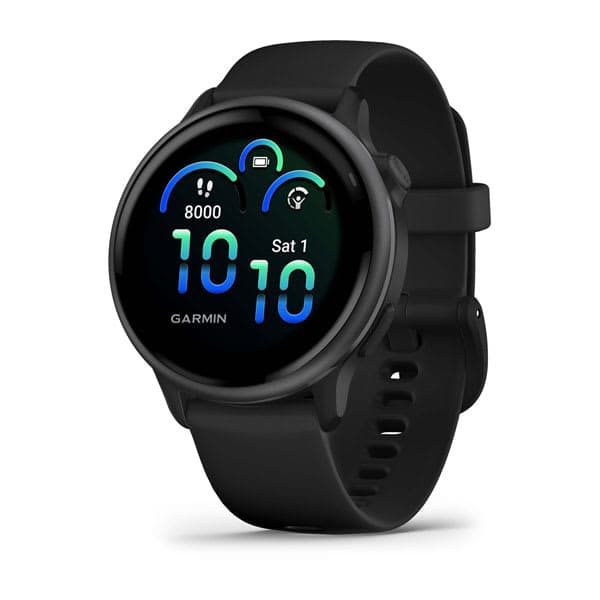
Lifestyle AMOLED Garmin vs beginner Forerunner.
Compare →How to choose
Wrist computers for pace, routes, training load and multisport — pick battery and features for your longest typical outing.
Buy for battery and comfort on your longest run. Skip ultra maps until you leave marked roads.
Comparisons: Pair same tier (entry vs entry, ultra vs ultra) so battery and map claims stay comparable.
Decision factors — deeper detail lives in buying guides.
1. Battery vs features
More maps and music usually cost battery. Match the watch to your longest typical outing.
Learn more →2. Wrist optical vs chest strap
Wrist HR is convenient; chest straps remain the accuracy default for intervals.
Learn more →3. Maps only when needed
Skip offline maps until you leave marked roads — you pay in battery and price.
Learn more →Decision framework for GPS running watches — without turning into an electronics encyclopedia.
Read guide →What multi-band GNSS means for runners — without an electronics deep dive.
Read guide →How GNSS mode, maps, music and always-on displays change real-world battery — beyond the marketing headline.
Read guide →When onboard maps matter — and when breadcrumb navigation or a phone is enough.
Read guide →Which metrics and menus you will actually use — so you do not overbuy chrome.
Read guide →Only brands with published products in this category.