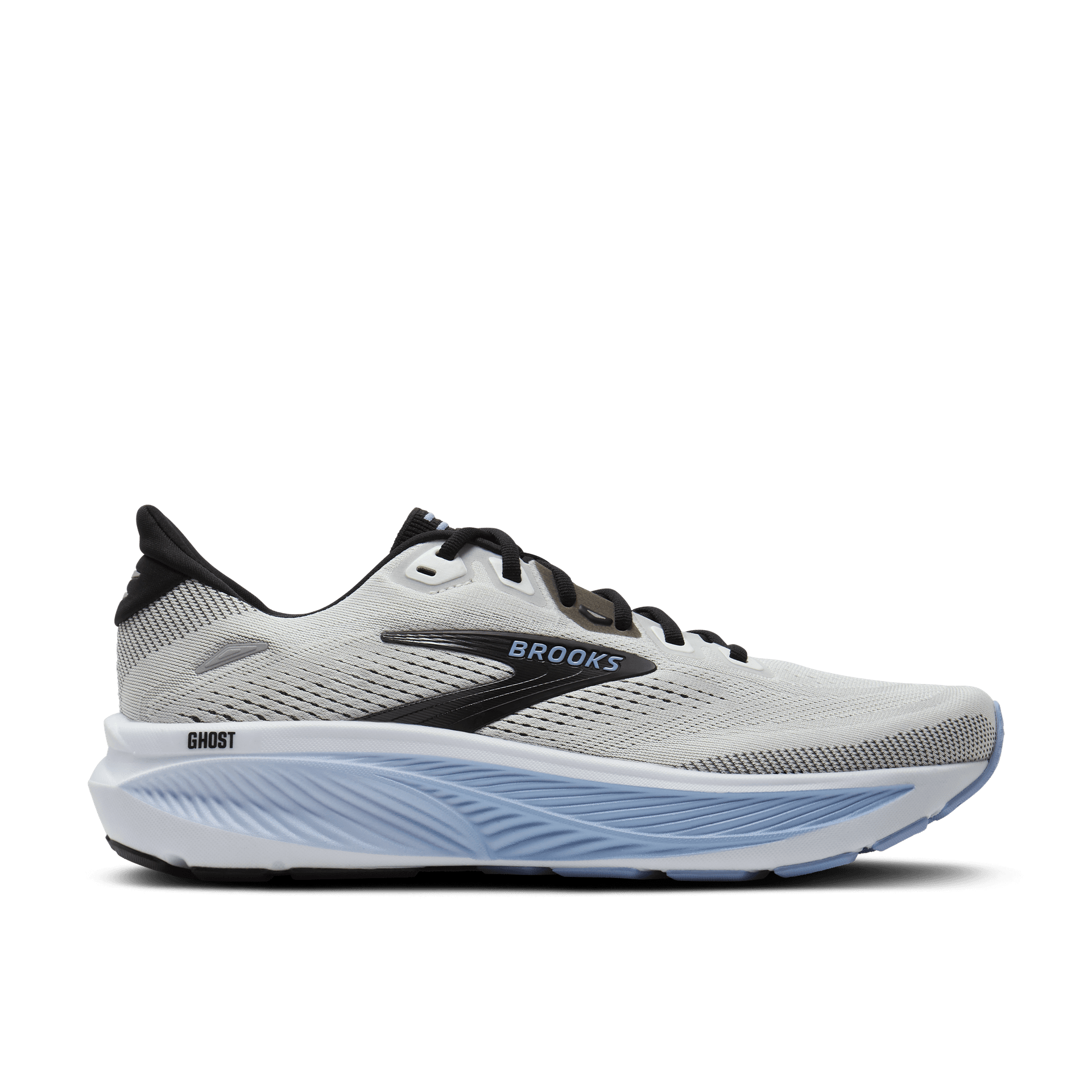
The short version
- A daily trainer is the dependable shoe intended to cover most routine road mileage.
- Good dailies balance fit, cushioning, stable handling, durability and a useful pace range.
- Daily does not mean one fixed stack, softness or support level.
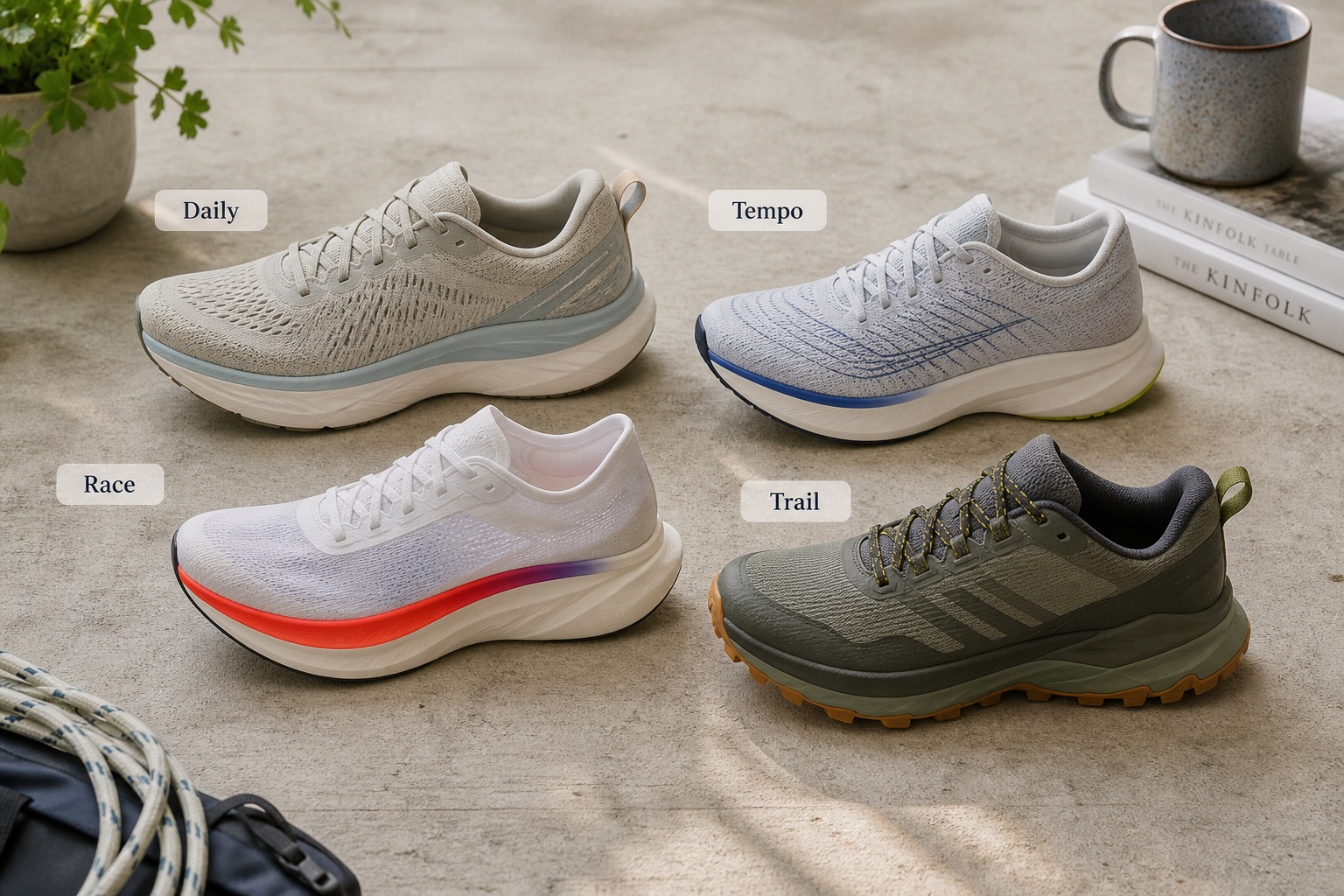
- Tempo, race and max-cushion shoes trade broad versatility for a more specialised strength.
- One daily trainer is enough until a recurring session creates a real gap.
Kitletics explains shoe categories and product design. We do not diagnose gait, prescribe stability or claim footwear prevents injury. Seek qualified clinical advice for pain or medical concerns.
Approaches in this guide
1What is a daily trainer?
A daily trainer is the default running shoe for regular mileage.
A daily trainer is a road running shoe designed to handle the largest share of ordinary training: easy runs, steady mileage and often moderate long runs. It prioritises repeatable comfort, predictable handling and durability over maximum race-day speed.
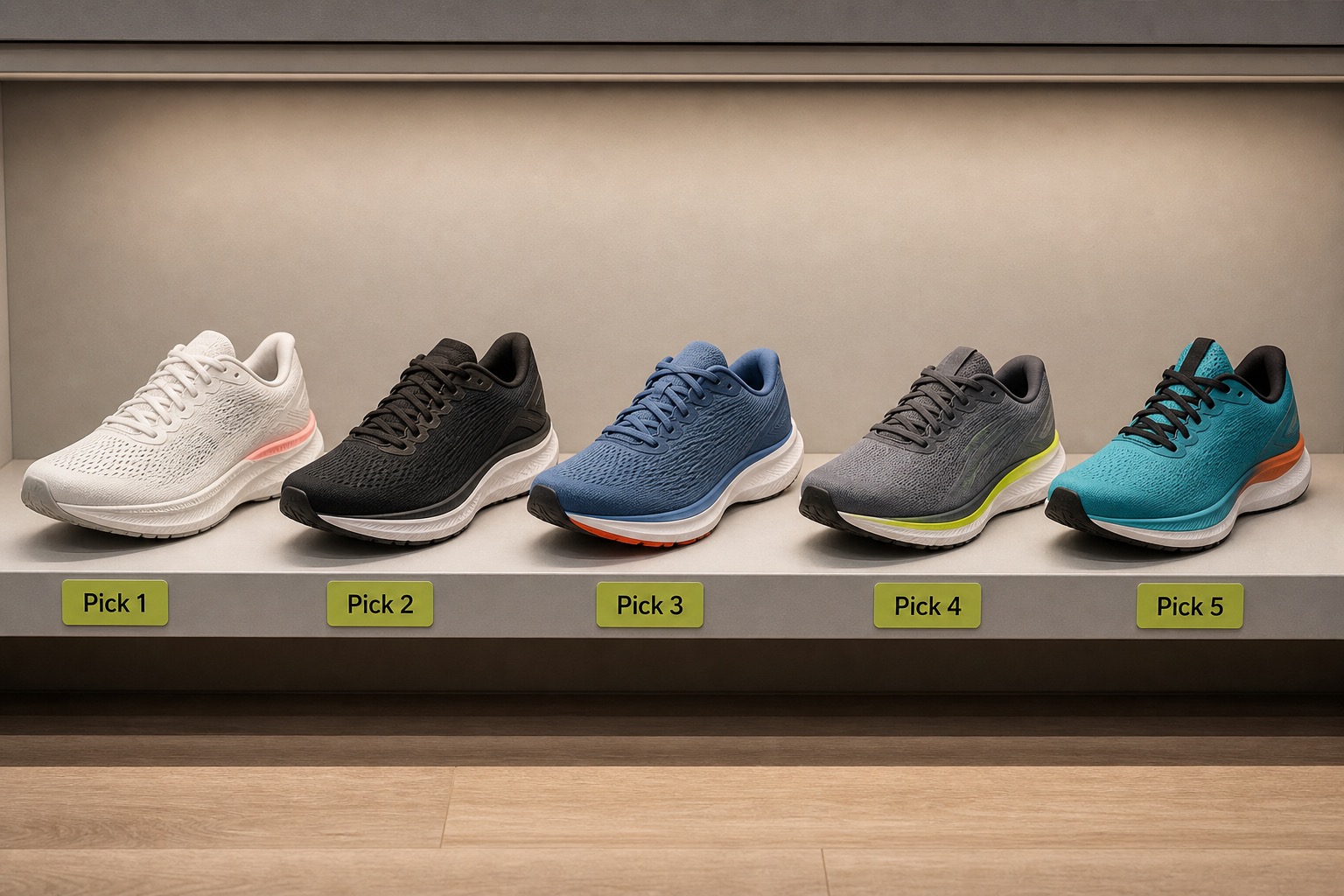
Daily trainer is a role, not one fixed specification. Cushion can be moderate or high, the ride can be soft or firm, and the shoe can be neutral or stability-focused. What connects the category is breadth: it should work well across more routine sessions than a specialist shoe.
For many runners, one good daily trainer is enough. Add a tempo, max-cushion or race shoe only when a recurring session exposes a real limitation.
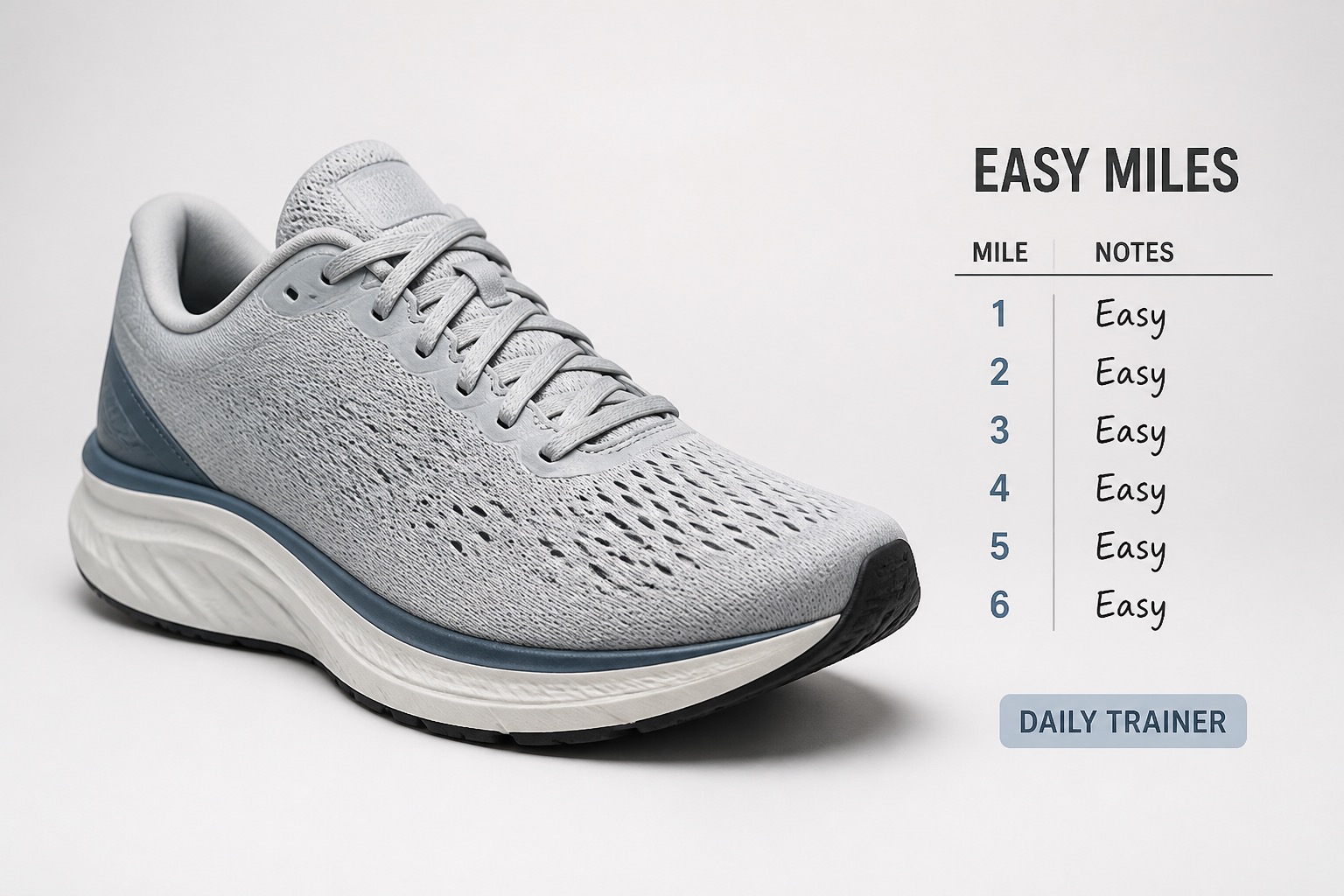
2What makes a good daily trainer?
The best daily shoe is dependable before it is dramatic.
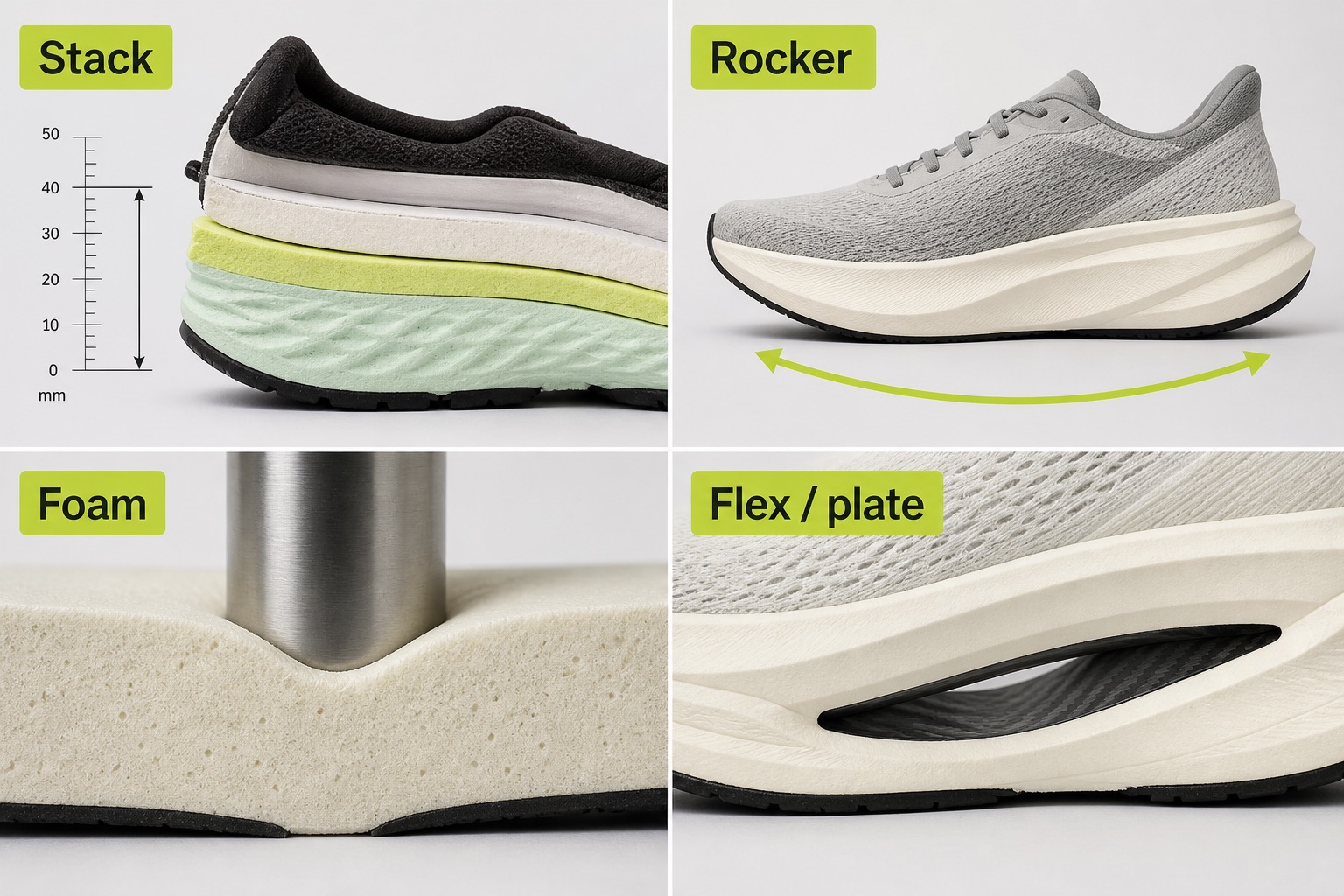
Repeatable fit
- What it is
- Secure heel and midfoot with appropriate toe room and width.
- How it changes the choice
- Reduces distraction across frequent runs and changing distances.
- What you may notice
- No persistent pressure, slip or need to fight the lacing.
Balanced cushioning
- What it is
- Enough foam for routine volume without forcing one softness level.
- How it changes the choice
- Supports easy mileage while preserving predictable transitions.
- What you may notice
- Comfort at normal pace without uncontrolled sinking or harshness.
Stable handling
- What it is
- Geometry you can control through corners, fatigue and uneven road surfaces.
- How it changes the choice
- Makes the shoe useful across more ordinary conditions.
- What you may notice
- A planted ride that does not demand perfect form or pace.
Training durability
- What it is
- Upper, foam and outsole designed for repeated mileage.
- How it changes the choice
- Keeps performance consistent enough to justify frequent use.
- What you may notice
- Predictable grip and cushioning rather than a short peak window.
Useful pace range
- What it is
- A ride that remains comfortable from easy to steady running.
- How it changes the choice
- Reduces the need for a second shoe in simple schedules.
- What you may notice
- The shoe does not feel completely out of place when pace changes.
3What to look for in each factor
Use these checks on fit, ride and job match — verify on a short shakeout, not only on a shelf comparison.
Look for
Repeatable fit
- Secure heel and midfoot with appropriate toe room and width.
- Watch for: No persistent pressure, slip or need to fight the lacing.
- Decision tip: Reduces distraction across frequent runs and changing distances.
Look for
Balanced cushioning
- Enough foam for routine volume without forcing one softness level.
- Watch for: Comfort at normal pace without uncontrolled sinking or harshness.
- Decision tip: Supports easy mileage while preserving predictable transitions.
Look for
Stable handling
- Geometry you can control through corners, fatigue and uneven road surfaces.
- Watch for: A planted ride that does not demand perfect form or pace.
- Decision tip: Makes the shoe useful across more ordinary conditions.
Look for
Training durability
- Upper, foam and outsole designed for repeated mileage.
- Watch for: Predictable grip and cushioning rather than a short peak window.
- Decision tip: Keeps performance consistent enough to justify frequent use.
4Daily trainer vs specialist running shoes

| Primary priority | Typical compromise | |
|---|---|---|
| Daily trainer | Versatility and repeatability | Not the softest or fastest specialist |
| Tempo shoe | Responsive faster training | Less relaxed for easy mileage |
| Race shoe | Lowest weight and race efficiency | Price, durability and everyday usability |
| Max-cushion shoe | Protection and easy-run comfort | Weight and agility |
| Stability trainer | More guided platform | Can feel restrictive to neutral-shoe preferences |
Categories overlap. A max-cushion or stability shoe can also serve as someone's daily trainer.
Look for
Primary priority
- Daily trainer: Versatility and repeatability
- Tempo shoe: Responsive faster training
- Race shoe: Lowest weight and race efficiency
- Max-cushion shoe: Protection and easy-run comfort
Look for
Typical compromise
- Daily trainer: Not the softest or fastest specialist
- Tempo shoe: Less relaxed for easy mileage
- Race shoe: Price, durability and everyday usability
- Max-cushion shoe: Weight and agility
5Daily trainer vs race shoe
Race shoes optimise for a narrower job: running fast on race day. They commonly use lighter construction, premium foam, aggressive geometry and a stiff plate. Daily trainers accept more weight to gain durability, stable handling and broader pace comfort.
A carbon racer can complete daily miles, but capability is not suitability. It may cost more per use, feel awkward at easy pace and provide less outsole or upper robustness.
Use a daily trainer as the anchor. Add a race shoe when you race often enough, have a clear performance goal and have tested the model at intended pace.
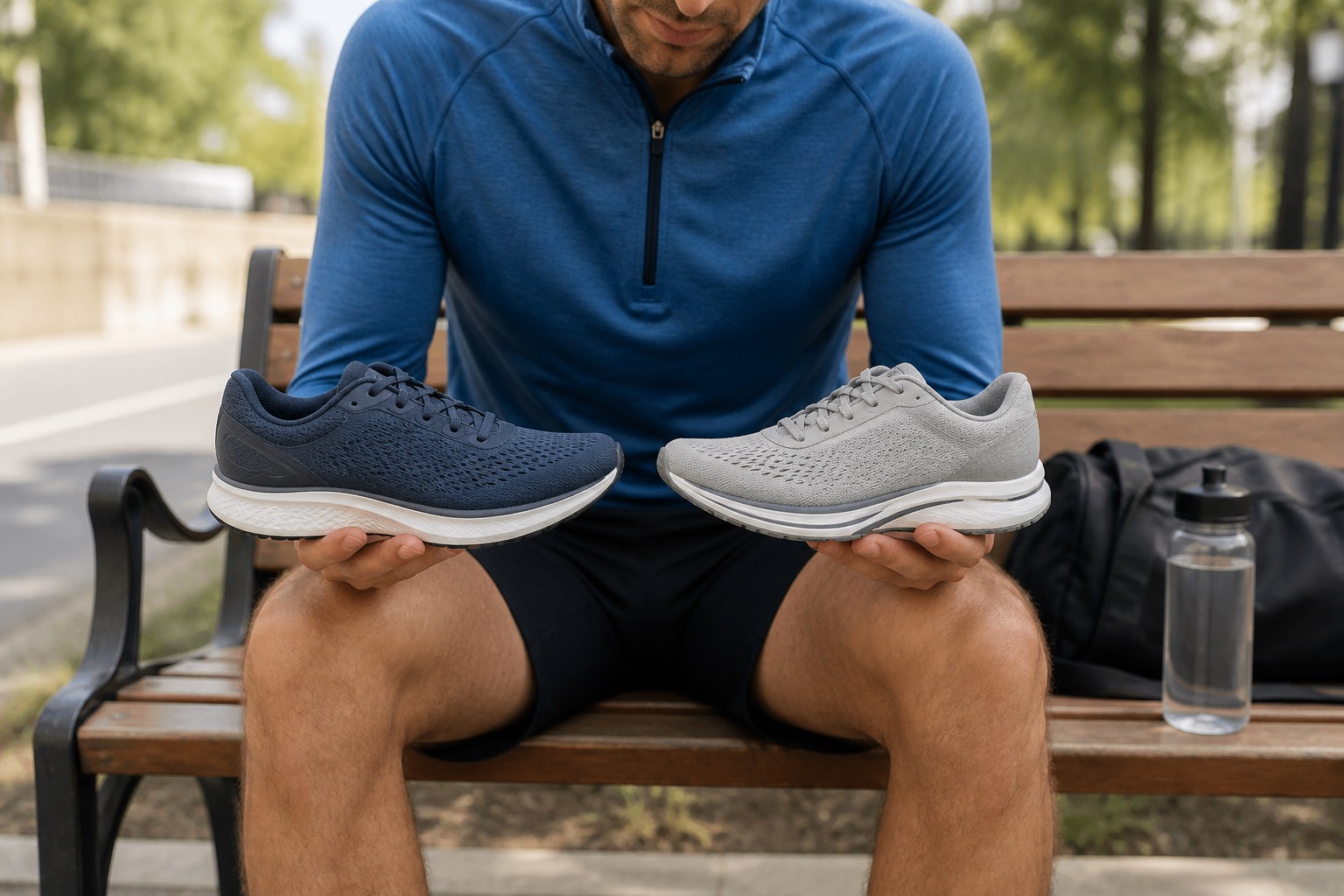
6Daily trainer vs tempo and max cushion
Tempo shoes shift the balance toward speed: lower weight, more responsive foam, stiffer geometry or a plate. Some versatile dailies can handle strides and moderate tempo work, but dedicated workout shoes feel sharper when faster sessions become frequent.
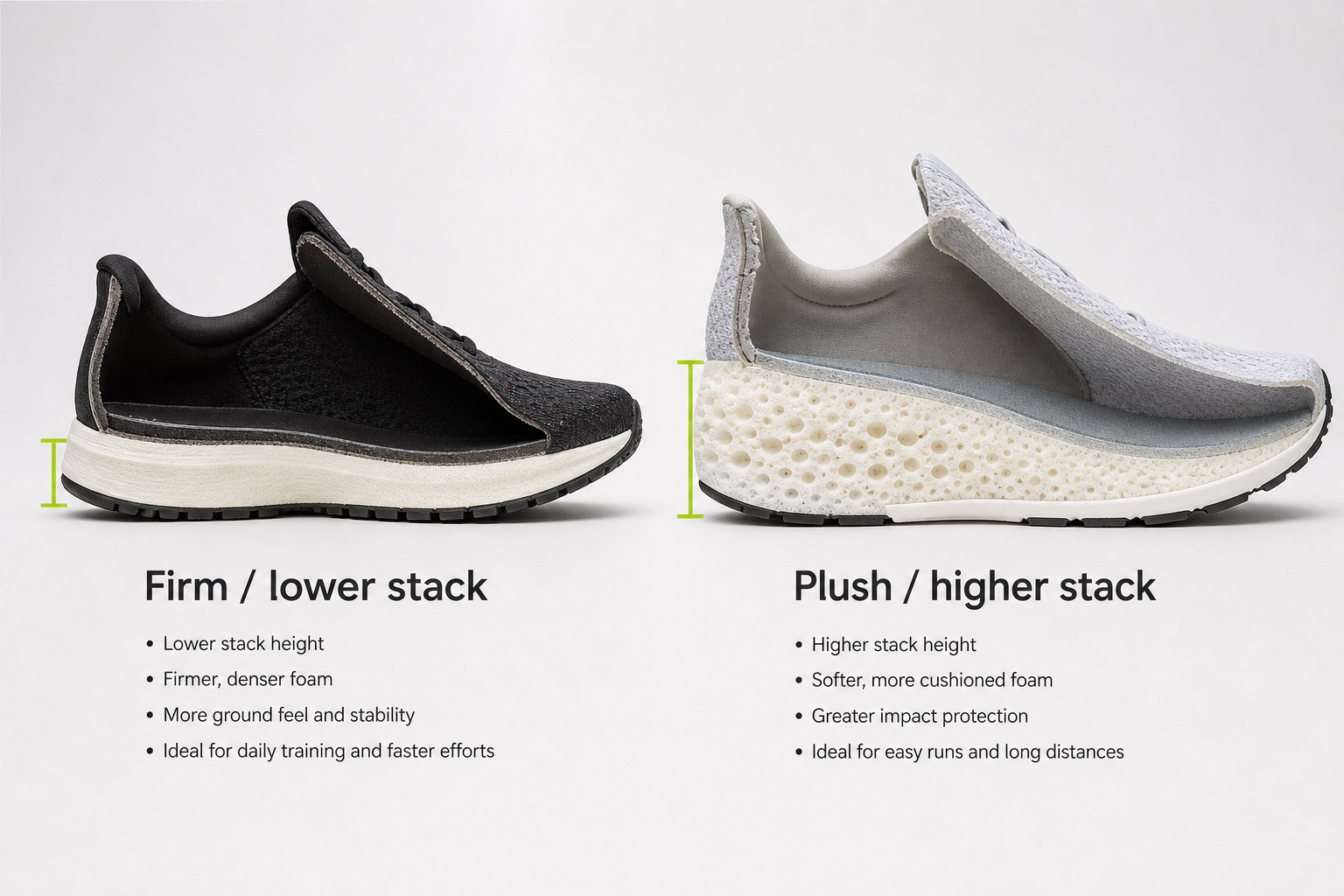
Max-cushion shoes shift toward protection and comfort. Some are excellent daily trainers; others feel too heavy or specialised for mixed paces. Stack height alone does not decide the category.
The boundaries are functional. Ask what the shoe does best, what it tolerates and where it becomes a compromise.
7Where a daily trainer fits
- 1
Easy runs
The core role: comfortable, controlled mileage without specialised demands.
- 2
Steady runs
A versatile daily should remain smooth when pace moves above easy.
- 3
Moderate long runs
Works when cushioning and fit remain comfortable over time.
Explore → - 4
Treadmill
Road dailies usually transfer well; prioritise fit and breathability.
- 5
First running shoe
Broad capability makes a daily trainer the logical starting category.
Explore → - 6
Travel / one-shoe weeks
A dependable choice when one pair must cover several ordinary sessions.
8Fit matters more in the shoe you use most
Because a daily trainer receives frequent mileage, small fit problems compound. Confirm length, toe room, width, heel lockdown and upper pressure before debating foam technology.
Try the shoe with your running socks and at a representative time of day. Walk, jog and change direction. A comfortable standing fit can still reveal heel slip or forefoot pressure in motion.
Width labels describe upper volume, not necessarily midsole platform width. Check both if you need more room or prefer a planted base.
9The value — and limits — of versatility
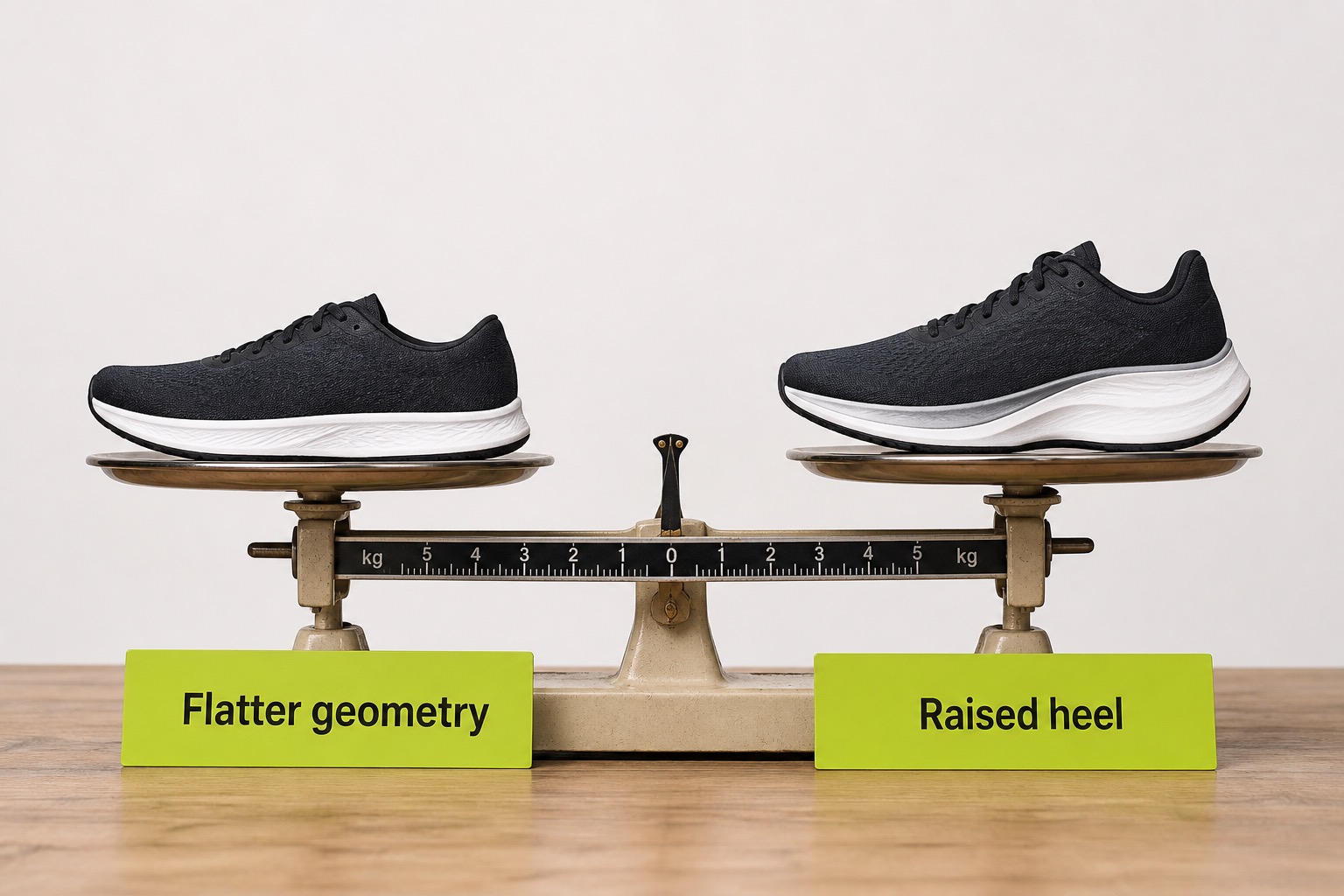
What you may gain
- · One pair can cover most routine road mileage
- · Predictable handling across easy and steady paces
- · Usually stronger durability priorities than race shoes
- · Simpler, lower-cost starting point for a rotation
What you may give up
- · Less speed focus than a tempo or race shoe
- · Less plush protection than some max-cushion specialists
- · Broad competence can feel less exciting than a narrow specialist
- · One daily may not cover technical terrain or extreme conditions
A daily trainer should be judged by how few meaningful compromises it creates in your actual week.
10How to choose a daily trainer
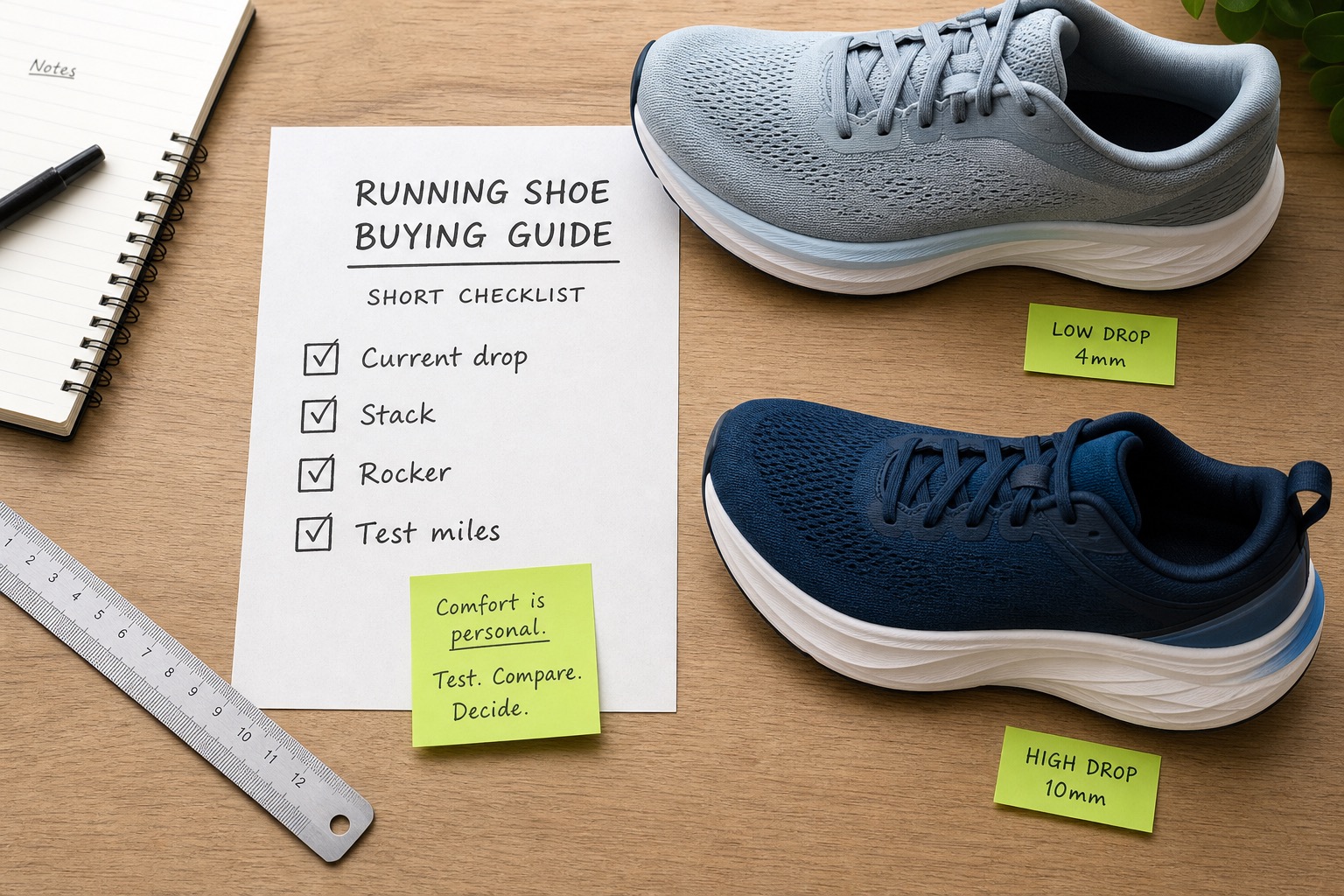
- 1
Confirm terrain
This category primarily covers road, path and treadmill use; technical trails need different traction.
- 2
Solve fit first
Choose correct length, width, heel security and upper comfort before ride preferences.
- 3
Choose cushion feel
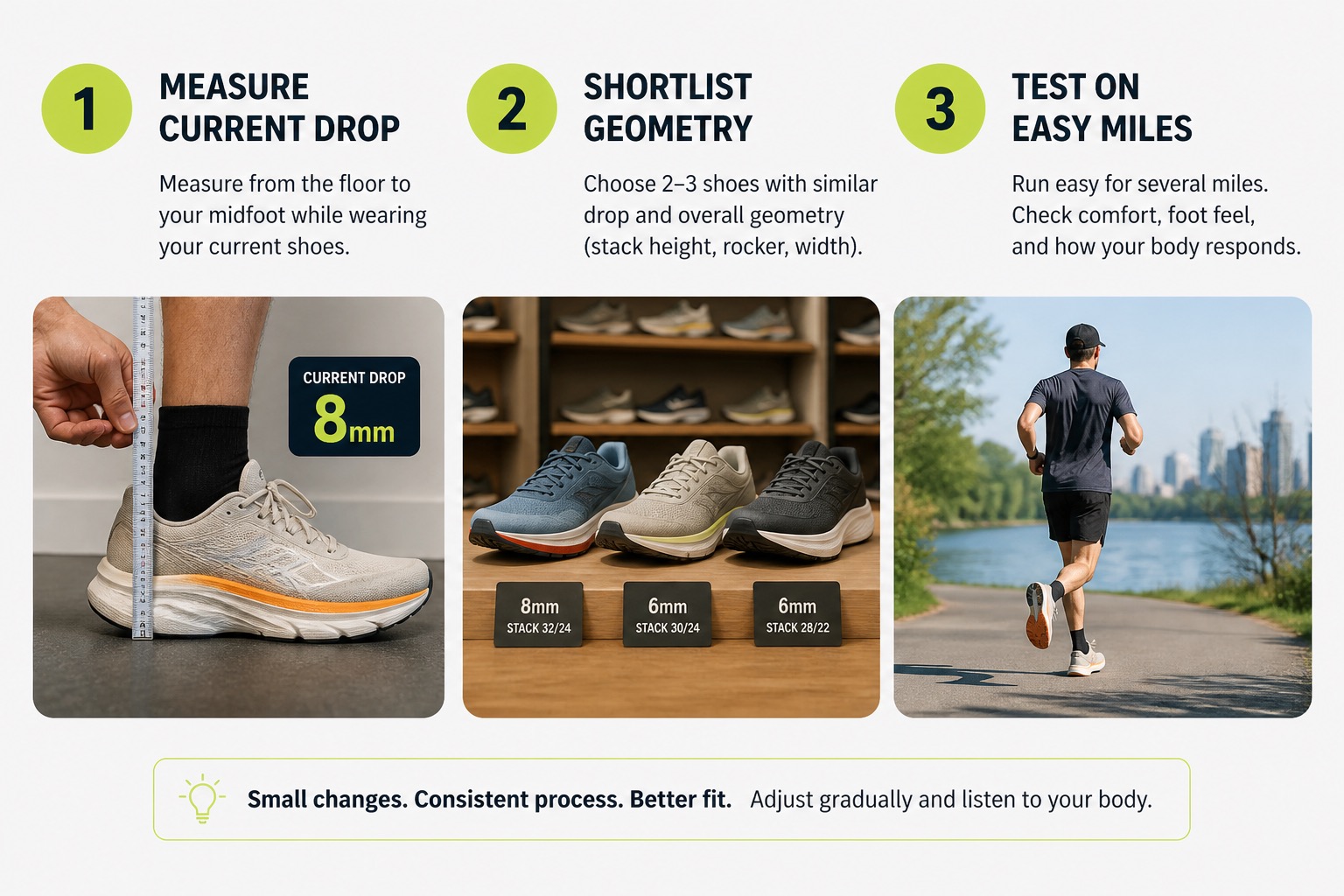
Decide whether you prefer balanced, soft or firmer cushioning at everyday pace.
- 4
Choose platform feel
Select freer neutral geometry or more guided stability based on comfort preference, not diagnosis.
- 5
Set the pace range
If one shoe must cover faster running, favour lower weight and a more responsive transition.
- 6
Check practical value
Compare outsole coverage, intended role, price and how often you will use the pair.
What must your daily trainer do beyond easy miles?
Nothing
Prioritise fit, comfort and durability; speed versatility is optional.
Long runs
Emphasise sustained cushioning, stable geometry and late-run fit.
Some tempo
Bias toward a lighter, responsive daily or daily-tempo hybrid.
Guided support
Compare stability dailies by actual guidance approach and comfort.
11Daily trainers across brands and roles
These are examples of different daily-training interpretations, not automatic recommendations for every runner.
Traditional balanced daily
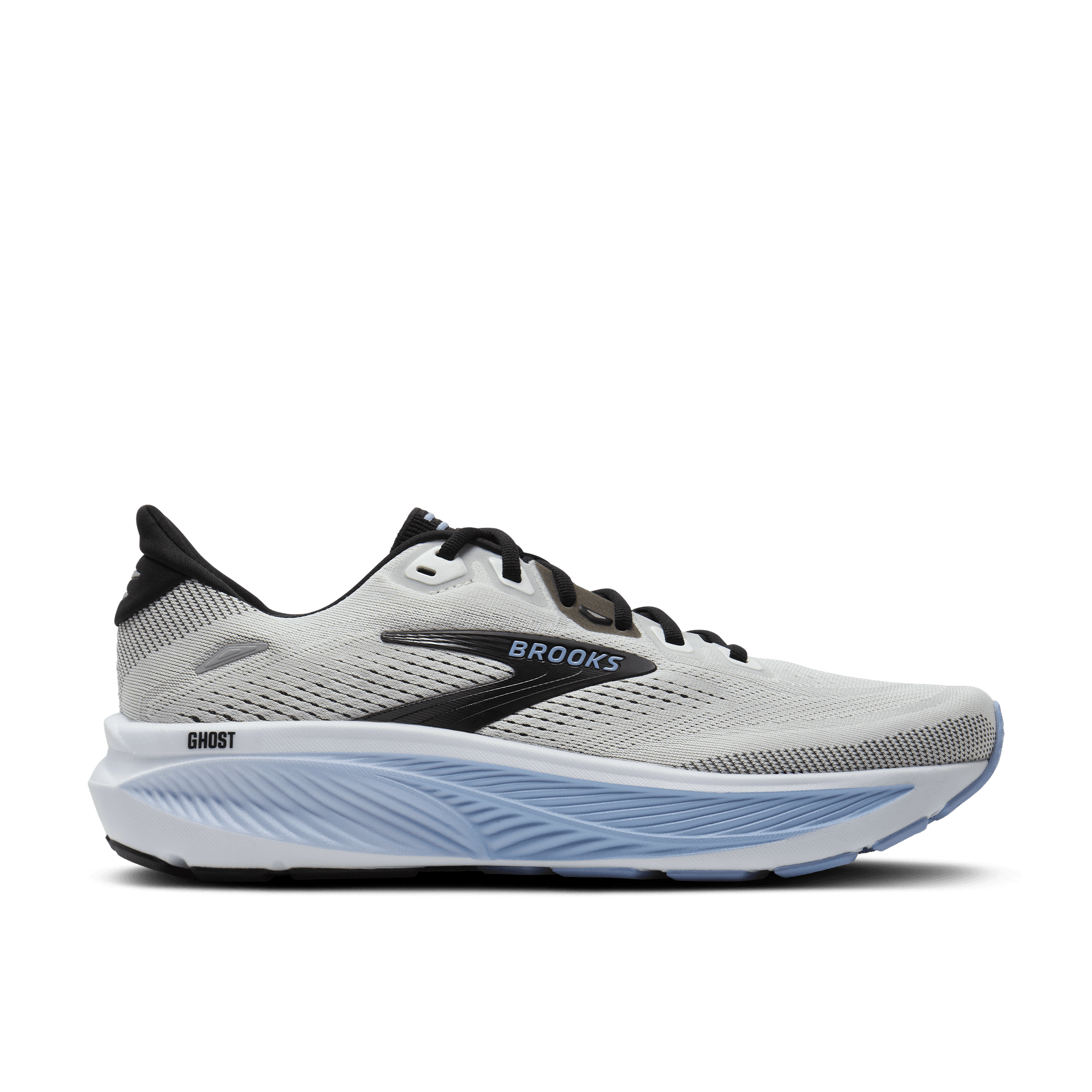
8.6 Kitletics Score
Brooks Ghost 18
Why it illustrates the category: Represents the straightforward daily role: regular mileage, familiar geometry and broad everyday intent.
Best for
- · Routine road mileage
- · Easy and steady runs
- · Runners wanting a conventional daily
Trade-off
Less specialised for maximum cushion or top-end speed.
Read review →From € 144Responsive versatile daily
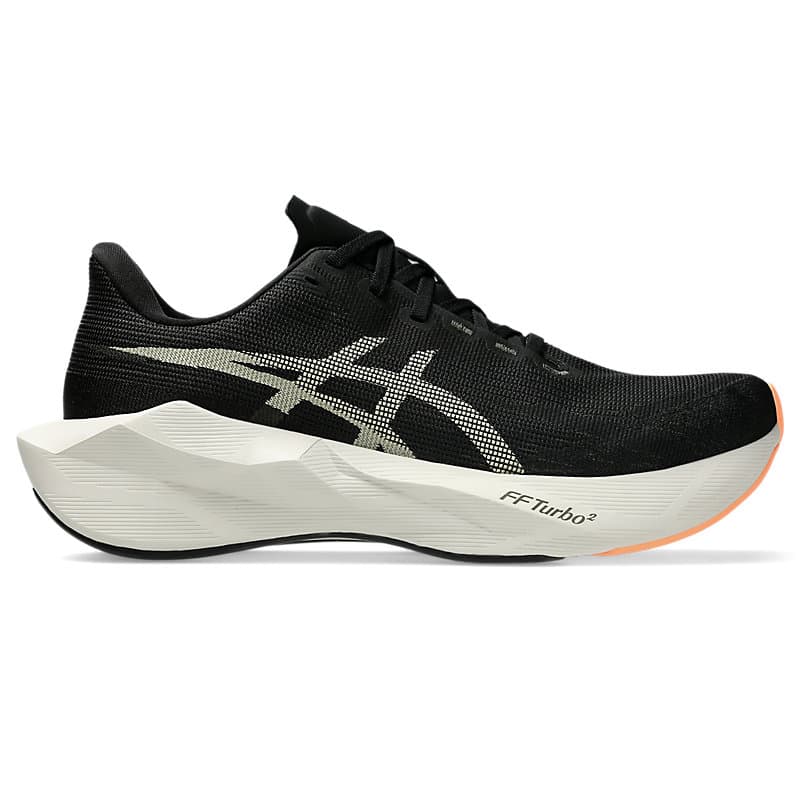
9.0 Kitletics Score
ASICS Novablast 6
Why it illustrates the category: Shows the livelier side of the category for runners who want one shoe to cover easy-to-steady pace changes.
Best for
- · Mixed daily mileage
- · Steady running
- · Versatile one-shoe rotations
Trade-off
A more energetic ride may not suit runners wanting a subdued, traditional feel.
Read review →From € 149Workhorse daily
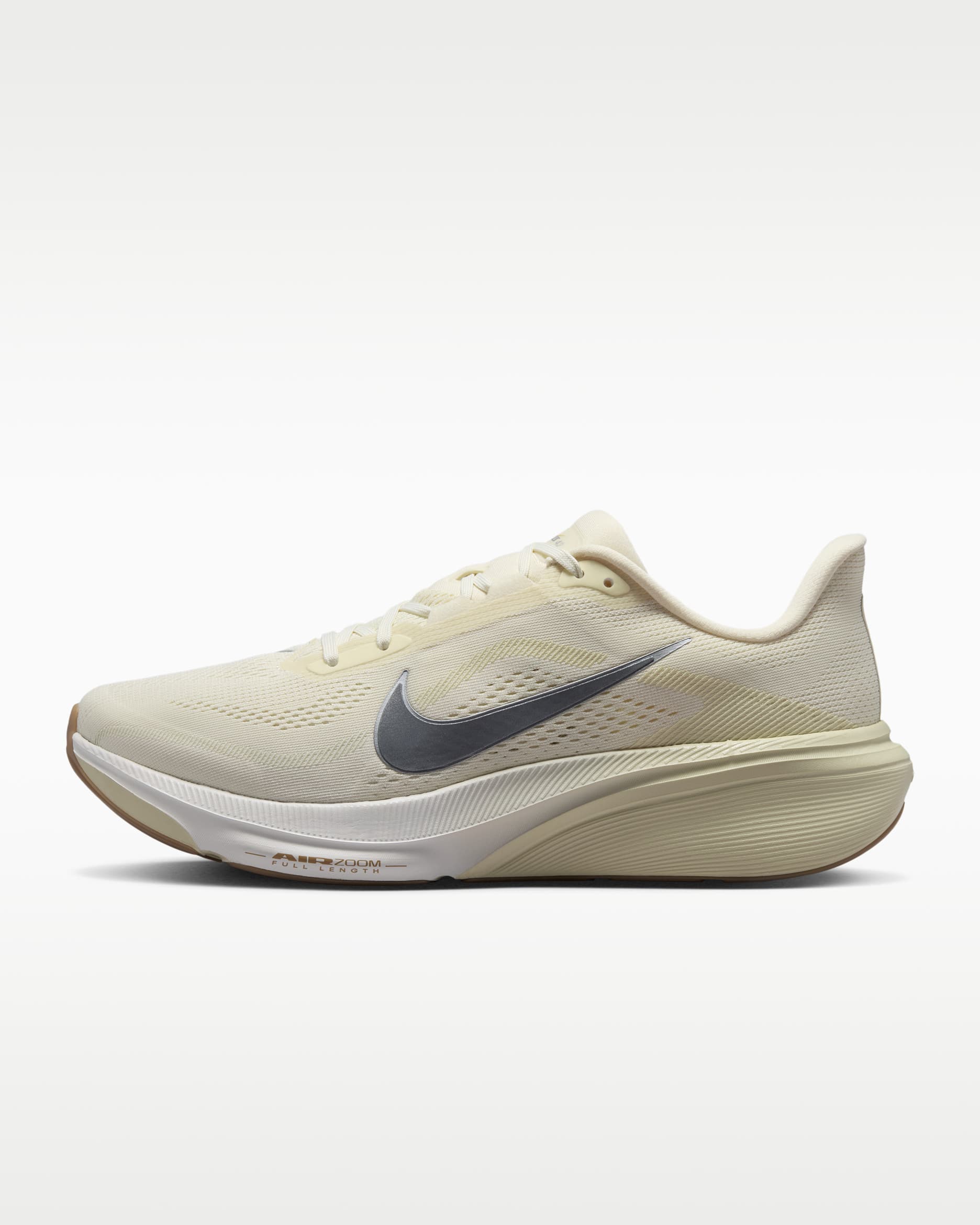
8.5 Kitletics Score
Nike Pegasus 42
Why it illustrates the category: A durable general-training interpretation suited to runners prioritising a dependable default pair.
Best for
- · Frequent training
- · Road and treadmill
- · Simple rotations
Trade-off
Less plush than a dedicated max-cushion shoe and less sharp than a tempo tool.
Read review →From € 135Cushioned daily
8.8 Kitletics Score
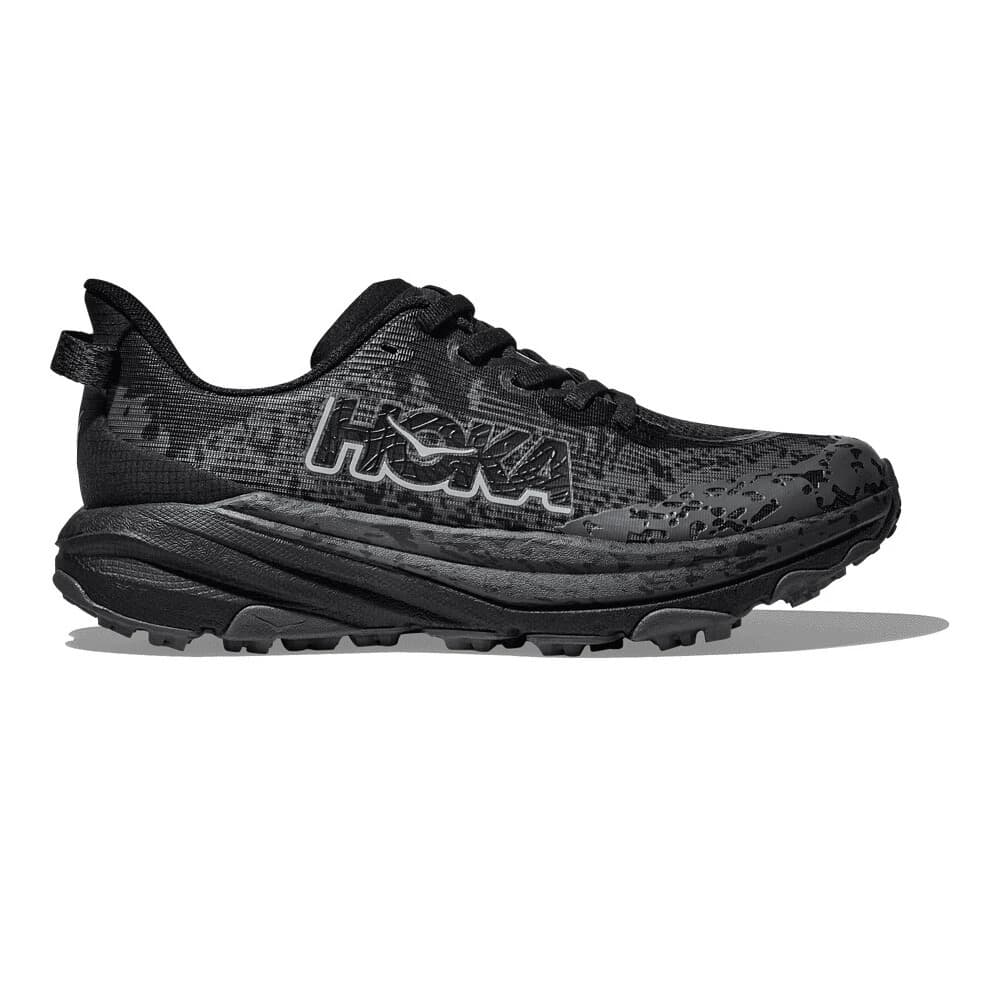
HOKA Clifton 10
Why it illustrates the category: Demonstrates how a higher-cushion road shoe can still retain a broad daily-training role.
Best for
- · Easy mileage
- · Cushion-focused daily use
- · Longer routine runs
Trade-off
More cushioning can reduce ground feel and quickness for faster sessions.
Read review →From € 144
12Compare four daily-training approaches
| Product | Support approach | Cushion | Drop | Widths | Best use | Key trade-off |
|---|---|---|---|---|---|---|
Brooks Ghost 18 neutral | DNA LOFT v3 | high | 12 mm | narrow, standard, wide, extra-wide | Balanced daily | Higher drop |
ASICS Novablast 6 neutral | FF BLAST MAX + FF TURBO SQUARED trampoline pod | high | 8 mm | standard, wide | Responsive daily | Not a stability shoe |
Nike Pegasus 42 neutral | ReactX + full-length Air Zoom | medium | 10 mm | standard, wide | Workhorse daily | Not max cushion |
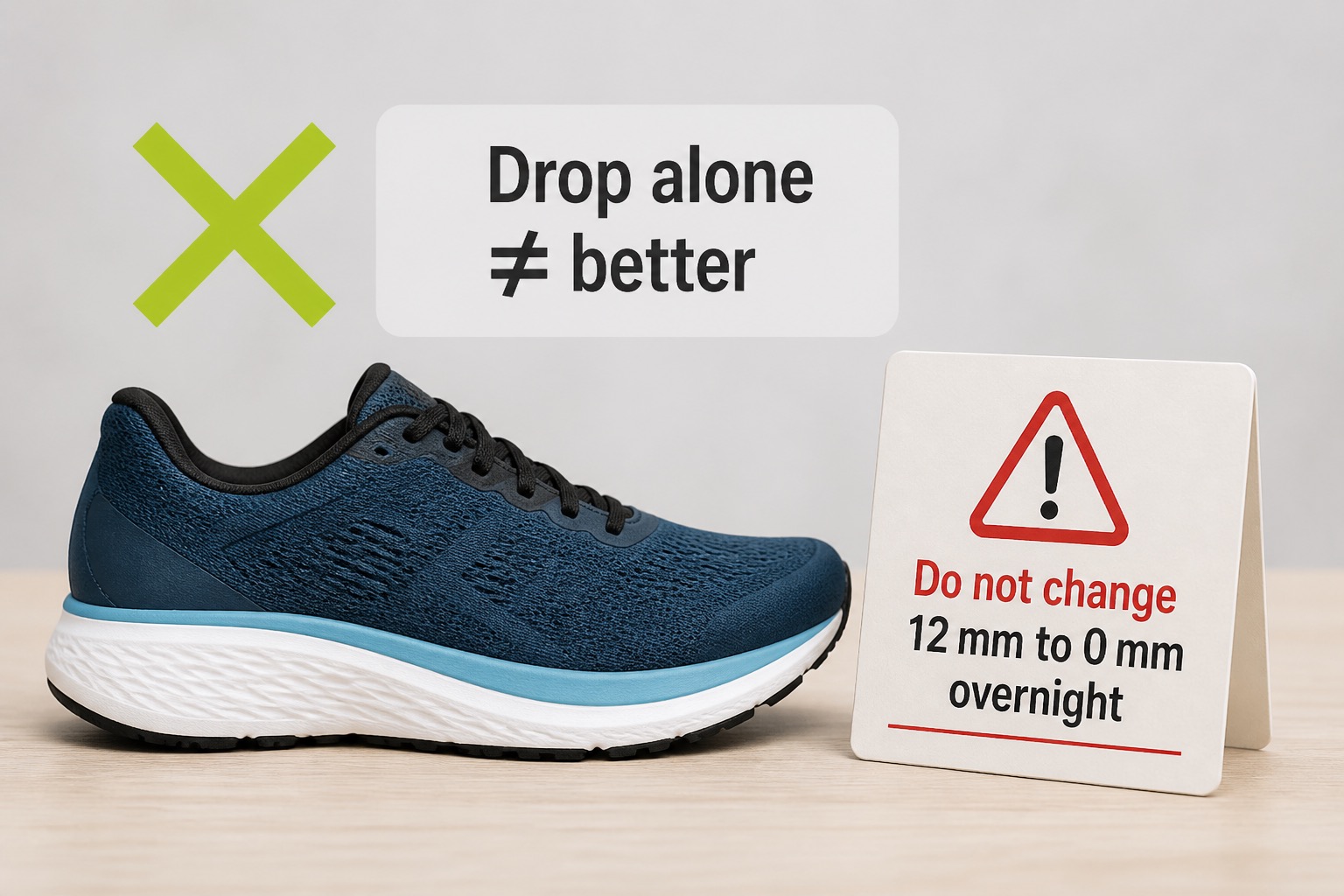
HOKA Clifton 10 neutral | Compression-molded EVA / CMEVA | maximum | 5 mm | standard, wide | Cushioned daily | Fit can run short |
13Common daily-trainer mistakes
Buying the most exciting shoe
Daily value comes from repeatable fit and use, not the most dramatic first impression.
Assuming softer is always better
Softness, stack and protection are different. Choose the ride you can control comfortably.
Optimising for rare speed sessions
Buy for the majority of your week; add a tempo shoe if faster work becomes frequent.
Accepting a small fit problem
Frequent mileage magnifies pressure, slip and width mismatch.
Following a fixed lifespan rule
Wear varies. Inspect outsole, midsole feel, upper integrity and comfort rather than one universal mileage number.
Treating category labels as a diagnosis
Neutral and stability describe shoe design. They do not diagnose gait or injury.
14One daily trainer or a rotation?
Stay with one shoe when it is comfortable and covers your normal sessions. This is the simplest and often best-value setup.
Add a second shoe when roles conflict: your daily feels cumbersome at workout pace, insufficiently protective on long runs or unsuitable for trails. The second pair should complement the daily, not duplicate it.
Replace by condition and experience, not fear. Track approximate mileage, inspect wear and notice meaningful changes in comfort or control.
15Frequently asked questions
- What is a daily trainer running shoe?
- A versatile shoe built for most easy and moderate training miles — durable enough for weekly volume, cushioned enough for recovery days, without race-plate extremes.
- Can a daily trainer replace a race shoe?
- For many beginners and recreational races, yes. As you chase faster race paces, a dedicated tempo or race shoe often becomes useful while the daily remains your volume workhorse.
- Is a max-cushion shoe a daily trainer?
- Sometimes. Soft max-cushion shoes can be excellent easy-day tools. If they feel too soft or heavy for mixed paces, keep a livelier daily alongside them.
- How long do daily trainers last?
- Many lose protective feel around 500–800 km, but foam breakdown and outsole wear vary. Replace when the ride feels dead or discomfort appears — not only by calendar date.
- Should beginners start with a daily trainer?
- Usually yes. A well-fitting daily trainer covers most early mileage better than a stiff race plate or a highly specialised trail shoe.
Examples of daily trainers across brands
Browse daily trainers →Brooks
Ghost 18
Balanced daily
8.6 Very GoodFrom € 144
View review →ASICS
Novablast 6
Responsive daily
9.0 ExcellentFrom € 149
View review →Nike
Pegasus 42
Workhorse daily
8.5 Very GoodFrom € 135
View review →HOKA
Clifton 10
Cushioned daily
8.8 Very GoodFrom € 144
View review →
Head-to-head comparisons
Continue the decision with focused head-to-heads — who should choose which, and the trade-offs that matter.
How we research
This guide defines daily trainers by intended role and repeatable use rather than one specification threshold. Examples use current catalog positioning, specifications and manufacturer descriptions; comparison values and prices render from live product data.